The 2010s File Feature
Mad Stalkers
Mad Stalkers: The Cultural Force of Without Warning "Mad Stalkers" emerged from one of the most significant surprise releases in recent rap history. On Hallo…
01 The Story
Mad Stalkers: The Cultural Force of Without Warning
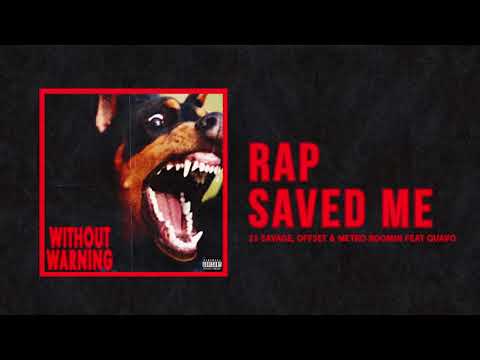
"Mad Stalkers" emerged from one of the most significant surprise releases in recent rap history. On Halloween 2017, 21 Savage, Offset, and Metro Boomin dropped Without Warning, a collaborative album released with no prior announcement and no promotional buildup, demonstrating with remarkable effectiveness that the streaming era had made the traditional album release cycle optional for artists with sufficiently large and engaged fanbases. The album arrived complete, with cover art, tracklist, and full streaming availability appearing simultaneously at midnight, and the internet response was immediate and overwhelming.
Without Warning debuted at number four on the Billboard 200, an extraordinary achievement for a surprise release with no lead singles, no radio promotion, and no tour dates. The album demonstrated that three of the most commercially potent figures in trap music, operating together at the peak of their individual powers, could generate first-week numbers that rivaled the output of conventionally promoted major label releases. "Mad Stalkers" was one of the tracks that helped define the album's cold, menacing aesthetic, a sound that Metro Boomin constructed over several days of intensive studio work that brought all three artists together in an environment of genuine creative momentum.
Metro Boomin, born Leland Wayne Tyler in Atlanta and operating at the absolute apex of his career as a producer in late 2017, served as the primary architect of the album's sound. His production on Without Warning, including "Mad Stalkers," exemplified the dark, horror-inflected trap aesthetic that had become his signature, using minor-key melodies, sparse percussion, and carefully placed sound design elements to create an atmosphere of threat and menace that suited both 21 Savage's deadpan delivery and Offset's more energetic performance style. The decision to record the album in a short, concentrated burst rather than across an extended period preserved the creative momentum and ensured a sonic consistency that collaborative albums often struggle to achieve.
21 Savage, born Shéyaa Bin Abraham-Joseph in London and raised in Atlanta, had emerged as one of the most distinctive vocal presences in rap through a combination of absolute rhythmic precision and an emotional flatness that communicated menace through understatement rather than excess. His contributions to "Mad Stalkers" exemplify the approach that had made him one of the most imitated figures in trap music, where the restraint of the delivery paradoxically increases rather than diminishes the impact of the content.
Offset, one third of Migos and a dominant commercial force in his own right during this period, brought a contrasting energy to the track, his more kinetic flow creating a dynamic interplay with 21 Savage's stillness that kept "Mad Stalkers" from settling into monotony. The chemistry between the two rappers on the track reflected the broader dynamic of the album, where their different approaches to performance complemented rather than competed with each other within the unified sonic environment Metro Boomin had constructed.
Critically, Without Warning received strong reviews that emphasized the album's focus and consistency, qualities that were partly a function of its compressed creation timeline and partly a reflection of the three artists' understanding of what they were collectively capable of. "Mad Stalkers" was highlighted by several publications as a standout track, praised for the seamless integration of the two rappers' contrasting styles within Metro Boomin's immaculate production. The album as a whole was viewed as one of the best collaborative rap projects of 2017, a year in which collaborative albums had become an increasingly prominent feature of the hip-hop landscape.
The cultural impact of Without Warning extended well beyond its chart performance. The album's release strategy became a reference point in discussions about how major artists could leverage the streaming infrastructure to bypass conventional promotional channels, and its Halloween release date became part of its mythology, adding a seasonal dimension to its horror-inflected aesthetic that made it feel like a deliberate artistic statement rather than a mere commercial calculation. The album's influence on subsequent surprise releases by other artists demonstrated its status as a genuinely significant moment in the evolution of how music is brought to market in the digital era.
"Mad Stalkers" stands as one of the more compelling individual statements within the album, capturing the specific convergence of talent, timing, and creative environment that made Without Warning such a striking achievement. The track's place in the discographies of three of the era's most significant figures ensures its ongoing relevance as a document of what was possible in trap music during one of the genre's most commercially and creatively potent periods.
02 Song Meaning
Menace, Control, and Paranoia in Mad Stalkers
"Mad Stalkers" operates within the thematic universe that Metro Boomin, 21 Savage, and Offset collectively constructed for Without Warning, a universe defined by threat, awareness of danger, and the cultivation of an impenetrable personal composure in the face of hostile circumstances. The title itself conjures a state of heightened vigilance, the awareness of being watched or followed that characterizes life in environments where violence is a genuine and proximate possibility rather than an abstract concern. The song treats this awareness not as a source of anxiety to be suppressed but as a form of competence to be displayed.
For 21 Savage, the themes of street awareness and personal security that animate "Mad Stalkers" are drawn directly from biographical experience. His background in Atlanta, marked by the kind of gang activity and street violence that has shaped so much of trap music's thematic content, gives his contributions to the track an authenticity that goes beyond genre convention. When he describes the necessity of constant vigilance, he is articulating something that corresponds to actual survival strategies rather than performing a version of street credibility assembled from cultural signifiers.
Metro Boomin's production does the essential emotional work of establishing the track's atmosphere before a single word is delivered. The dark, minor-key melodies and sparse percussion create a sonic environment that feels genuinely threatening, placing the listener in a state of unease that makes the rappers' claims of composure and readiness feel more meaningful. The production is not simply a backdrop for the verbal content but an active participant in the track's meaning-making, its sounds doing the work of conveying the emotional texture of the environment being described.
Offset's contributions to the track bring a different quality of aggression than 21 Savage's controlled menace, his more kinetic delivery suggesting someone who processes threat through action and energy rather than through stillness and deliberation. This contrast between the two rappers' approaches to the track's subject matter creates a richer portrait of how people respond to dangerous circumstances than either could achieve individually. Together, they present complementary models of toughness and self-preservation that reflect the complexity of the world they are describing.
The Halloween release context of Without Warning adds a layer of intentional theatrical quality to the album's horror-inflected aesthetic, and "Mad Stalkers" benefits from this context in ways that extend its meaning beyond its immediate lyrical content. The association with Halloween, with its tradition of darkness, masks, and the theatrical presentation of fear, suggests that the threatening persona cultivated on the track is also a kind of performance, a way of projecting an image of danger that serves protective social functions in competitive environments. The mask of menace is also a form of armor.
Within the broader context of trap music's thematic concerns, "Mad Stalkers" participates in a long tradition of rap that uses the language of street conflict to address psychological states, including the paranoia, hypervigilance, and defensive posturing that develop in response to genuine danger. The track's emotional honesty about what it feels like to exist in a state of constant threat, without sentimentalizing or aestheticizing that state, is one of the qualities that distinguishes the best trap music from its less serious imitators. The song does not pretend that the world it describes is glamorous. It describes it accurately, and in doing so reveals something real about a set of experiences that conventional media representations typically distort or simplify.
→ More from 21 Savage, Offset & Metro Boomin
View all 21 Savage, Offset & Metro Boomin hits →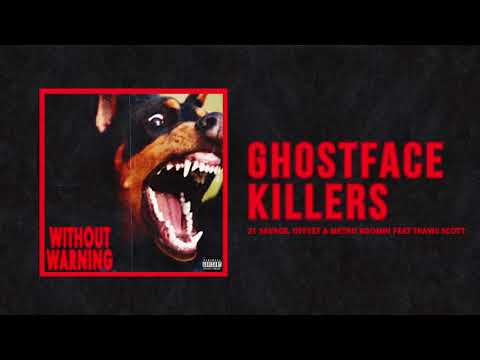
→ More from the 2010s File
View all 2010s hits →



Keep digging