The 2000s File Feature
Californication
"Californication": Red Hot Chili Peppers and the Return of John Frusciante The Album That Shouldn't Have Happened By the late 1990s, there were serious reaso…
01 The Story
"Californication": Red Hot Chili Peppers and the Return of John Frusciante
The Album That Shouldn't Have Happened
By the late 1990s, there were serious reasons to wonder whether the Red Hot Chili Peppers would survive as a creative force. The departure and personal struggles of guitarist John Frusciante had haunted the band through the One Hot Minute era, an album received warmly by some fans but widely seen as the band operating well below their ceiling. When Frusciante rejoined and the band retreated to a mansion in Laurel Canyon to write and record what would become Californication, the stakes were enormous. Producer Rick Rubin guided the sessions, and what emerged in 1999 was one of the most complete creative statements in the band's long career.
The album's title track became its emotional center and its most lasting cultural artifact.
Sound and Atmosphere
Where much of the band's catalog runs hot and percussive, "Californication" is deliberately spare. Frusciante's guitar work here is patient, melodic, and laced with tremolo effects that give the song a slightly dreamlike quality throughout its runtime. Chad Smith's drumming sits back in the pocket rather than pushing forward, and Flea's bass lines, usually the band's most kinetic element, provide texture instead of aggression. Anthony Kiedis's vocal performance is one of his most controlled: the song requires restraint rather than the acrobatic delivery that defined earlier tracks like "Give It Away," and he delivers accordingly.
The result is a song that feels wide open, like a long drive through a landscape that is beautiful and compromised at the same time. That tension between beauty and damage runs through every bar.
The Chart Journey
On the Billboard Hot 100, "Californication" debuted at number 72 on July 29, 2000, and spent a substantial 19 weeks on the chart, peaking at position 69 on October 14, 2000. The pop chart position understated the song's cultural footprint significantly: it dominated rock radio, became one of the most-played tracks on alternative stations for much of that year, and drove enormous album sales globally. Californication the album eventually sold over 15 million copies worldwide, and this title track was the song that radio programmers returned to again and again throughout the album's commercial life.
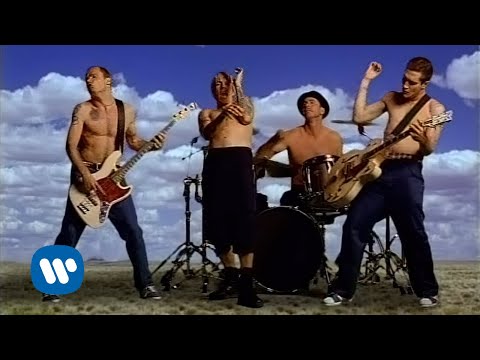
The accompanying video, a psychedelic video game animation directed with genuine visual invention, was distinctive enough to win awards and give MTV an unusual visual object to cycle through heavy rotation during a period when the network was slowly pivoting away from music.
Legacy and Continued Resonance
The word "Californication" entered the cultural vocabulary almost immediately after the song released, and it has never fully left. The track has reached over 1.3 billion YouTube views, making it one of the most-watched songs from that era of alternative rock, and it regularly appears on lists of the defining rock songs of the 2000s decade. It anchored a critically acclaimed Showtime series of the same name that ran from 2007 to 2014, widening the song's reach further into mainstream consciousness and introducing its themes to audiences who had been children when the record first came out.
For the Chili Peppers, "Californication" represents the moment the band fully matured. It is not the most explosive song in their catalog, but it is arguably the most fully realized, and it showed that Kiedis, Frusciante, Flea, and Smith could operate at a level of creative sophistication that their earlier funk-punk energy alone could never have reached.
Pressing Play Today
Twenty-five years on, "Californication" sounds like a dispatch from a specific time and place that has not stopped existing. The themes of manufactured reality, the seduction and corruption embedded in California's mythology, and the search for something genuine underneath the surface feel no less pressing than they did in 2000. Press play and let Frusciante's guitar do the work of putting words to a feeling you already know.
"Californication" — Red Hot Chili Peppers' singular moment on the 2000s charts.
02 Song Meaning
"Californication": Dreaming and Drowning in the American Myth
The Lure of the Golden State
The song's central subject is California as a concept rather than a place: a promised land that sells itself as the destination of transformation, reinvention, and easy transcendence. Anthony Kiedis's lyrics circle around the gap between what the California myth promises and what the culture industry actually delivers. The imagery throughout is saturated with Hollywood, with the ocean, with the strange confluence of spiritual seeking and commercial exploitation that has defined the state's cultural export for most of the twentieth century.
The coined word "Californication" captures the colonizing spread of that particular myth: the idea that wherever California's cultural products reach, they reshape local reality in their own image. The song makes this observation with a mixture of awe and unease rather than straightforward condemnation.
Destruction Dressed in Beautiful Light
One of the song's most striking qualities is how consistently it pairs beautiful imagery with quiet devastation. The lyrics describe the ocean, the coastline, and the appeal of a place that draws dreamers from everywhere, while simultaneously acknowledging the toll that dream extracts. Characters in the song are pulled toward something luminous and find themselves diminished by the pursuit. The landscapes are real and gorgeous; the damage is equally real.
This dual vision is what elevates the track beyond simple cultural criticism. Kiedis is not dismissing the appeal; he is charting the cost of succumbing to it, and the song's emotional honesty comes from the sense that he is describing a temptation he understands from the inside rather than observing from a safe distance.
The Body and the Simulated World
The lyrics also engage with the early internet era's emerging questions about authenticity and simulation. In 2000, the world was waking up to the implications of digital mediation, and "Californication" locates that anxiety specifically in the entertainment industry's long tradition of substituting image for substance. The connection between Hollywood's simulated realities and the broader digitization of experience felt prescient at the time and has only grown more so since.
The song does not offer solutions, which is part of why it has lasted. It poses the questions clearly and then sits with the discomfort.
Music as Its Own Answer
Underneath the lyrical critique, the music itself proposes something. Frusciante's spare, melodic guitar work and the band's deliberate restraint throughout the track feel like a counter-argument to the overproduced, image-saturated world the lyrics describe. The song's stripped-back arrangement is its own form of authenticity, a gesture toward what remains when you subtract the spectacle. That contrast between message and medium is rarely as well-executed in mainstream rock.
The track spent 19 weeks on the Billboard Hot 100 in 2000, peaking at number 69, but its cultural life extended well beyond any chart measurement. It became one of the defining songs of a generation's ambivalence about celebrity, authenticity, and what it actually means to reach for something worth having.
→ More from the 2000s File
View all 2000s hits →


Keep digging