The 2000s File Feature
Hung Up
Recording and Release History of "Hung Up" "Hung Up" is a dance-pop single by Madonna, released on October 17, 2005, as the lead single from her tenth studio…
01 The Story
Recording and Release History of "Hung Up"
"Hung Up" is a dance-pop single by Madonna, released on October 17, 2005, as the lead single from her tenth studio album Confessions on a Dance Floor. The song was written by Madonna and Stuart Price, who also served as the primary producer of the entire album. The track is built around a prominent sample of the ABBA composition "Gimme! Gimme! Gimme! (A Man After Midnight)", written by Benny Andersson and Bjorn Ulvaeus and originally recorded by ABBA in 1979. Obtaining clearance to sample from the notoriously restrictive ABBA catalog required direct approval from Andersson and Ulvaeus themselves, who reportedly agreed after hearing the finished production, marking one of the very rare instances in which they permitted their work to be sampled.
The recording sessions for Confessions on a Dance Floor took place in London, where Madonna had been living for an extended period. The collaboration between Madonna and Stuart Price, who had become known for his work with the British synth-pop group Les Rythmes Digitales and for his own recording output under various aliases, was built around a shared enthusiasm for the energy and production aesthetics of late-1970s and early-1980s European electronic dance music. The resulting album was conceived as a continuous, seamlessly mixed listening experience, a structural approach that distinguished it from conventional album formats and aligned it more closely with the extended DJ mix format.
"Hung Up" debuted on the Billboard Hot 100 at number 20 during the chart week of November 5, 2005, making it one of the strongest Hot 100 debut positions for a Madonna single in the digital era. It climbed steadily over the following weeks, reaching number 14 on November 26 and then peaking at number 7 on the Billboard Hot 100 on December 3, 2005. The single spent a total of 20 weeks on the Hot 100, a strong run that reflected both its sustained radio impact and its ongoing digital sales.
Internationally, the single was even more dominant than it was in the United States. It reached number one in more than forty countries, a record for a lead single at the time, and topped charts across Europe, Australia, Latin America, and Asia simultaneously. In the United Kingdom, it debuted at number one, the fastest-selling Madonna single since "Take a Bow" in 1995. This international commercial dominance established Confessions on a Dance Floor as Madonna's most globally successful album project since Ray of Light in 1998.
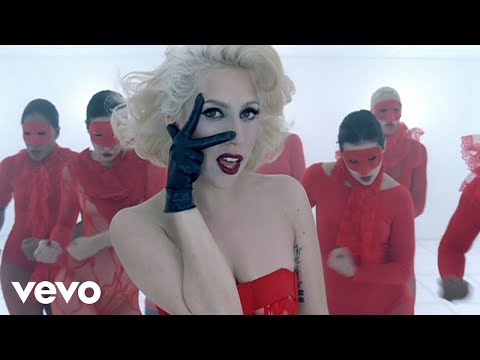
The music video for "Hung Up" was directed by Johan Renck, a Swedish director who brought a minimalist, movement-centered visual approach to the production. The video featured Madonna and a group of dancers in various urban settings, with dance functioning as the primary visual language throughout. It was shot in a style that drew on both high-fashion photography aesthetics and the vernacular visual language of street dance culture, blending influences in a way that was consistent with the song's musical synthesis of disco, electronic dance music, and contemporary pop production.
The video was released simultaneously on television outlets in multiple countries and on the early internet video platforms that were beginning to emerge in late 2005, placing it at an interesting transitional moment in the history of music video distribution. The version of the video featuring extended dance sequences became particularly influential among the choreography community and in the professional dance world.
The commercial success of "Hung Up" was reflected in its awards recognition. The single won the Grammy Award for Best Dance Recording in 2007, affirming its standing as the defining dance track of its release year. It also received recognition from the Billboard Music Awards and from European music industry organizations, accumulating an awards profile consistent with its exceptional commercial and cultural impact. Madonna performed the song in several high-profile television appearances during the promotional cycle, including an appearance on the UK program Top of the Pops that was among the most-watched episodes of that program in its final years of broadcast.
The single was also performed as the opening number of Madonna's Confessions Tour in 2006, which became one of the highest-grossing concert tours by a female artist in history to that point. The combination of the song's propulsive energy, its instantly recognizable ABBA sample, and the sophisticated staging of the tour production made it an especially effective concert opener, generating enormous audience response at each performance. The lasting impact of "Hung Up" in DJ sets, dance studios, and retrospective assessments of 2000s pop culture has confirmed its status as one of the decade's most significant dance records.
02 Song Meaning
Meaning and Themes of "Hung Up"
"Hung Up" explores the emotional experience of obsessive waiting, of being consumed by anticipation for contact from someone who does not respond with equal urgency or commitment. The title is a play on the expression for ending a telephone call and on the phrase "hung up on someone," meaning to be fixated or emotionally stuck on another person, and the song exploits both meanings across its lyrical and musical development.
The central emotional situation involves a narrator waiting urgently for a phone call or message that is not coming, or not coming quickly enough to satisfy the intensity of feeling behind the wait. The experience of checking for contact that never arrives, of being captive to anticipation while the other person moves through life without apparent equivalent urgency, is a nearly universal emotional experience, and the song's effectiveness derives substantially from how precisely it captures the specific texture of that experience.
The repetitive, cyclical structure of the production mirrors the obsessive quality of the emotional state described. The looping ABBA sample creates a sonic environment of perpetual return, as though the music itself cannot escape the same groove any more than the narrator can escape the same thought. This structural correspondence between musical form and emotional content is one of the most effective elements of the recording's design and contributed to its standing as a sophisticated example of how dance music can carry emotional meaning alongside its kinetic function.
Madonna had explored themes of desire, longing, and the power dynamics of romantic pursuit throughout her career, and "Hung Up" situated itself within that thematic lineage while bringing a specifically contemporary emotional vocabulary to the material. The setting of romantic obsession within a dance-floor context gave the song a social dimension: the narrator's private emotional state is being experienced in a public, communal space, suggesting that the energy of longing and desire can be both a private torment and a shared, danced-out release.
The song's relationship to its ABBA source material also carries thematic significance. ABBA's original recording captured the longing of someone seeking connection in a late-night disco setting, and Madonna's interpolation of that melodic foundation effectively creates a conversation across decades between two expressions of the same emotional experience. The continuity of the desire for connection across the distance between 1979 and 2005, between different cultural moments and different sonic languages, reinforces the song's implicit argument that certain emotional experiences are enduring features of human romantic life.
The reception of the song confirmed that its themes resonated across demographic and generational lines. Younger listeners who had no personal connection to the original ABBA recording responded to the contemporary emotional content and the forward-moving production. Older listeners who recognized the sample found a bridge between two distinct moments of pop music history that spoke to the continuity of their own emotional experiences. This multigenerational resonance contributed significantly to the song's unusual international commercial reach.
In the broader context of Madonna's artistic identity, "Hung Up" represented a moment of creative clarity in which personal emotional experience, artistic craft, and commercial aspiration aligned without apparent conflict. The song's directness about longing and the particular vulnerability of waiting for someone who may not value the connection equally gave it an emotional authenticity that complemented rather than competed with its considerable commercial and sonic ambitions. Its lasting place in popular culture rests on this combination of emotional truth and musical exhilaration.
→ More from the 2000s File
View all 2000s hits →


Keep digging