The 2000s File Feature
Rollin'
The Nu-Metal Roar of Rollin' by Limp Bizkit It's the end of 2000, and nu-metal owns the cultural moment. Baggy shorts, backwards red caps, and the collision …
01 The Story
The Nu-Metal Roar of "Rollin'" by Limp Bizkit
It's the end of 2000, and nu-metal owns the cultural moment. Baggy shorts, backwards red caps, and the collision of hip-hop swagger with downtuned guitars defined the sound of teenage America. At the center of that storm stood Limp Bizkit, the Jacksonville band whose chaotic energy and frontman Fred Durst made them simultaneously the genre's biggest act and its most polarizing. Then came an anthem built for nothing but maximum volume.
A Band at the Top of the World
By late 2000, Limp Bizkit were arguably the most commercially dominant rock band in America. This track came from the album Chocolate Starfish and the Hot Dog Flavored Water, a record that shattered sales expectations on release and confirmed the band's grip on the mainstream. They were everywhere: on MTV, on the radio, headlining festivals, and stirring controversy at nearly every turn. The single was tailor-made to soundtrack that ascendancy.
An Anthem for the Mosh Pit
The song is pure adrenaline, built on a chunky, bouncing guitar riff and Durst's brash, hype-man delivery. The track was produced in part by guitarist Wes Borland and the band's longtime collaborator Terry Date, and its production hits with maximum impact, all swagger and momentum. It became a staple of the era's rock-radio formats and an instant pit-starter at live shows. The accompanying video, packed with action-movie cameos, only amplified its larger-than-life feel.
A Curious Chart Story
On the Billboard Hot 100, the single's performance was modest given the band's massive popularity, partly a reflection of how rock singles charted in that download-free era. It debuted at number 77 on November 11, 2000, and rose gradually over the following weeks. It peaked at number 65 on the all-genre chart. The song spent 17 weeks on the Hot 100, even as it dominated rock formats far more thoroughly than that number suggests.
A Snapshot of an Era
Few songs capture the unapologetic excess of the nu-metal peak quite like this one. It arrived at the exact crest of the movement, when Limp Bizkit could fill stadiums and dominate television in equal measure, and it distilled everything that made the band a lightning rod into a single relentless track. The official video has racked up nearly 398 million YouTube views, a reminder of how thoroughly Limp Bizkit defined a moment in popular music, for better or worse. The track remains a touchstone for anyone who lived through the era, a blast of pure turn-of-the-millennium attitude.
Loved, Loathed, and Inescapable
Part of what makes the song fascinating in hindsight is how divisive it always was. Critics frequently savaged the band, and plenty of listeners rolled their eyes at the bravado, yet none of that dented its commercial reach. The track thrived precisely because it didn't care what anyone thought of it, embodying a kind of defiant, attention-seeking energy that was either thrilling or exhausting depending on who you asked. That polarizing quality is now part of its legend, a perfect artifact of a loud and unsubtle moment in pop culture.
The High-Water Mark of a Sound
In retrospect, the song marks something close to the absolute peak of nu-metal's mainstream dominance. Within a few years the genre would fall sharply out of fashion, its excesses curdling into a punchline for many listeners. That makes the track a kind of time capsule, capturing a sound and an attitude at the exact moment before the cultural tide turned. Hearing it now is to be dropped instantly back into a very particular slice of the early 2000s, with all its noise, bravado, and unapologetic swagger intact.
Turn It Up
This is a song that demands to be played loud and taken lightly. Put it on, brace for that riff, and you'll be transported straight back to the year 2000. Press play and let the chaos roll.
"Rollin'" — Limp Bizkit's singular moment on the 2000s charts.
02 Song Meaning
The Pure Bravado of "Rollin'"
There's no hidden depth to decode here, and that's the point. The song is a swaggering celebration of confidence, attitude, and the simple thrill of dominating a room. It's a hype anthem, built to pump up a crowd and broadcast the band's outsized self-belief at maximum volume.
Confidence as a Battle Cry
The central theme is unshakable self-assurance, the posturing bravado that defined Fred Durst's persona. The lyric is all about owning the moment, refusing to back down, and rolling forward with relentless momentum. It's less a story than a declaration, a fist raised in the air for everyone within earshot.
The Sound of a Movement
The song embodies the nu-metal attitude, fusing hip-hop's competitive bravado with rock's aggression. It captures a specific cultural energy of the early 2000s, when defiance and excess were the whole point. The track doesn't ask for sympathy or introspection; it demands you match its intensity.
Built for the Crowd
The lyric functions as a call-and-response, designed to be shouted back by a packed arena. Its simplicity is its strength, giving thousands of fans an easy chant to scream in unison. The song exists to create a moment of collective release, the physical catharsis of a mosh pit set to music.
Attitude Over Meaning
It would be a mistake to look for subtext here, because the song's refusal of deeper meaning is itself the message. It rejects introspection in favor of pure forward motion, an aesthetic of confidence and momentum that values feeling over thought. The whole point is energy, the sense of being carried along by something loud and unstoppable. In its own way that's an honest artistic choice, a song that knows exactly what it is and never pretends otherwise.
Why It Connected
The track resonated because it gave a generation of frustrated, energetic young people an outlet for pure attitude. It didn't moralize or overthink; it simply offered three minutes of unfiltered confidence and noise. For better or worse, that no-apologies bravado captured the mood of its moment perfectly, which is why it remains a defining artifact of the nu-metal era. Teenagers who felt restless and overlooked found something cathartic in its sheer volume and swagger, and that release is what made it an anthem. The song gave them a way to feel powerful and loud for a few minutes, and even listeners who found the bravado ridiculous couldn't deny how effectively it tapped into raw, restless adolescent energy. It demanded participation rather than reflection, and that physical, communal quality is exactly what turned a simple chant into one of the defining noises of its moment.
→ More from Limp Bizkit
View all Limp Bizkit hits →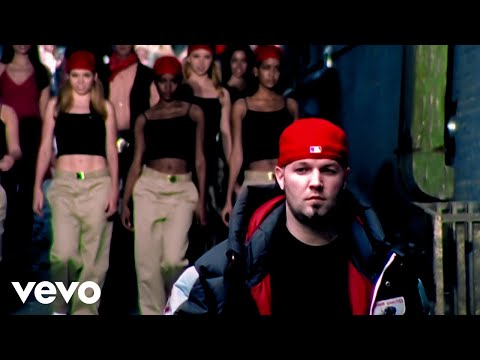

→ More from the 2000s File
View all 2000s hits →
Keep digging