The 2000s File Feature
Behind Blue Eyes
Behind Blue Eyes — Limp Bizkit's Cover and the 2004 Return A Classic Song, a New Franchise The original "Behind Blue Eyes" was written by Pete Townshend and …
01 The Story
Behind Blue Eyes — Limp Bizkit's Cover and the 2004 Return
A Classic Song, a New Franchise
The original "Behind Blue Eyes" was written by Pete Townshend and recorded by The Who for their 1971 album Who's Next. In the three decades between that recording and Limp Bizkit's 2004 version, the song had become something beyond a rock classic: it was a piece of shared cultural furniture, known to multiple generations through one of rock history's most distinctive chord progressions and one of Roger Daltrey's most emotionally raw vocal performances. Taking it on carried risk proportional to the song's stature.
Limp Bizkit in early 2004 was at a pivot point. The band had been one of the defining commercial forces in nu-metal and rap-rock between 1997 and 2001, with albums like Significant Other and Chocolate Starfish and the Hot Dog Flavored Water selling tens of millions of copies globally. The turn of the decade had been harder. The genre they helped define had fallen out of critical and eventually commercial favor, and the band was working to demonstrate range and musical seriousness that pure aggression could not supply on its own.
The Cover as Reintroduction
Choosing "Behind Blue Eyes" as a single from the 2004 soundtrack album The Passion of the Christ soundtrack was in itself a statement of intent, though the song appeared separately as a Limp Bizkit release rather than solely as part of that compilation. Fred Durst's vocal approach to the material was notably restrained by his usual standards, leaning into the song's inherent vulnerability rather than importing the aggravated energy associated with the band's signature output.
The arrangement updated the acoustic/electric contrast of the original with a contemporary production sensibility, expanding the quiet verses into something more intimate before the song's famous dynamic shift into heavier territory. The production gave the track the sonic signature of its era while keeping the emotional architecture of Townshend's original largely intact. This was interpretive restraint from a band not always associated with that quality, and it worked in the song's favor.
The Chart Performance in Context
The single entered the Billboard Hot 100 on March 6, 2004, debuting at position 72. The following week it moved up slightly to its peak of number 71 on March 13, 2004, before beginning a gradual descent over the remaining weeks of its run. The track spent 11 weeks on the Hot 100 in total, a respectable chart life for a cover version competing in the early 2000s rock market.
The eleven-week chart run reflected consistent radio support and listener interest beyond the initial burst of attention. Rock radio in 2004 was still a significant driver of Billboard placement, and the track's reception at active rock and mainstream rock formats gave it a foundation for sustained charting. The song was not a smash in the conventional sense, but it was a genuine radio performer that held its audience across multiple months of airplay.
Fred Durst and the Emotional Demands of the Material
The central challenge of covering "Behind Blue Eyes" is its demand for genuine emotional openness. Townshend's lyric describes a kind of hidden suffering, the experience of wearing a face of confidence or composure while containing grief, anger, and loneliness beneath. Daltrey's original performance made this vulnerability completely audible, raw in a way that rock performance rarely allowed itself to be in 1971.
Durst's version found a different kind of rawness, one more in keeping with his generation's emotional vocabulary. Where Daltrey's performance was almost classical in its controlled release, Durst brought a slightly more contemporary confessional quality to the verses, the sense of a modern person negotiating the same ancient emotional territory. The approach was honest in its own register, even if it could not replicate what The Who had achieved in theirs.
The Cover's Place in the Nu-Metal Moment
By 2004, nu-metal as a genre was entering a period of self-examination. The critical backlash against its perceived limitations had been building for several years, and the most commercially successful bands in the space were responding by either doubling down on their identity or making overt gestures toward musical breadth. Limp Bizkit's decision to cover one of rock history's most beloved and emotionally sophisticated songs was very much in the latter camp.
Whether the choice succeeded in reshaping perceptions is debatable. The critical reception was mixed, with some reviewers hearing it as a cynical appropriation and others recognizing genuine feeling in the performance. The listeners who connected with the cover did so because it gave them access to a great song in a sonic context that felt native to their own musical experience. For that audience, the record worked exactly as intended. Press play and hear Durst reach for something beyond the aggression that defined his band's public image.
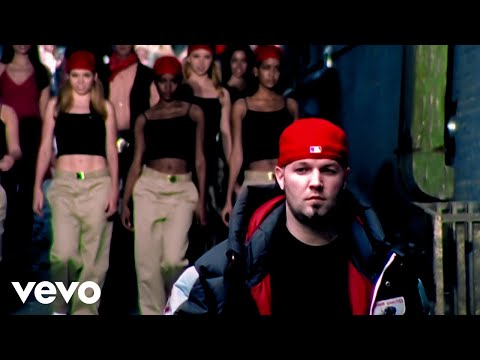
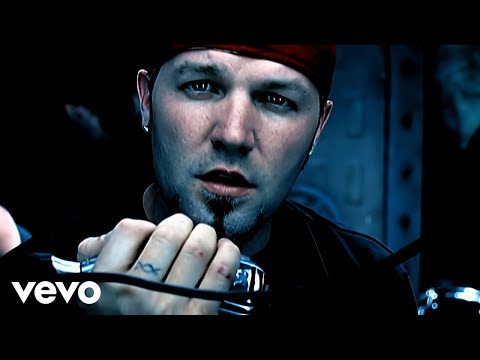
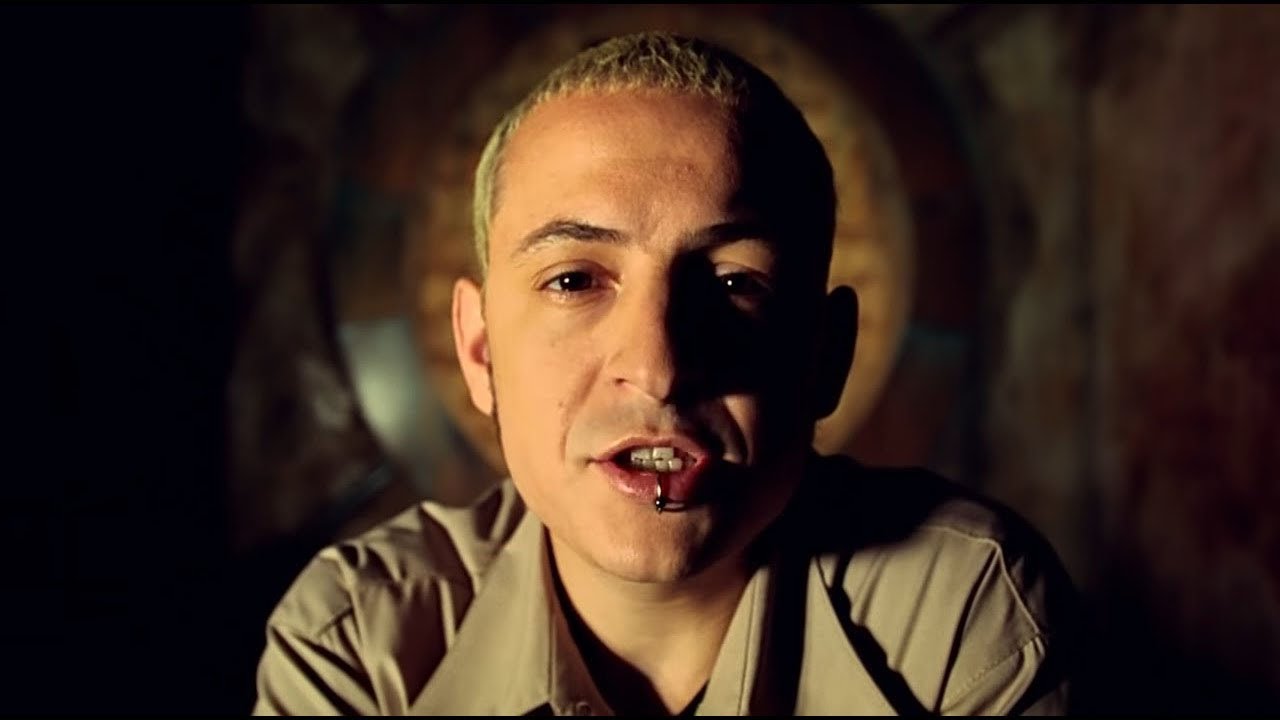
"Behind Blue Eyes" — Limp Bizkit's singular moment on the 2000s charts.
02 Song Meaning
Behind Blue Eyes — Masks, Hidden Pain, and the Weight of a False Face
Pete Townshend's Original Vision
The lyric at the heart of "Behind Blue Eyes," written by Pete Townshend for The Who, is concerned with a very specific kind of suffering: the suffering of someone who appears composed, even menacing, to the outside world while carrying grief and loneliness on the inside. The narrator describes a person whose external presentation, whether powerful, cold, or threatening, conceals an interior reality that the world never sees. It is a song about the gap between performance and experience, between what you project and what you feel.
This theme had enormous resonance when Townshend wrote it in 1971, and it has not diminished since. The experience of concealing inner pain behind a socially functional exterior is both universal and timeless, which is why the song has sustained three decades of covers, adaptations, and passionate identification by successive generations of listeners.
What Limp Bizkit's 2004 Reading Adds
When Limp Bizkit recorded the song in 2004, the original lyric acquired a new layer of meaning through the context of its performance. Fred Durst was a figure who had cultivated a persona of aggression and confrontation through the band's commercial peak years, a public face defined by exactly the kind of external toughness that the song describes as a mask. Hearing that persona attempt sincerity and vulnerability within this particular lyric created an interesting interpretive frame.
Whether intentional or coincidental, the casting was apt. The song's narrator is someone whose toughness is a defense mechanism, a way of surviving a world that has not been kind. Durst's own public persona, whatever its relationship to his private self, carried similar overtones of defensive posturing, which gave his reading of the material a kind of autobiographical plausibility that more obviously sensitive performers might not have achieved.
The Emotional Architecture of the Lyric
Townshend's original lyric moves through several distinct emotional registers within a short runtime. The verses describe isolation and the invisibility of genuine pain behind a composed exterior. The famous dynamic shift in the song, where the arrangement opens up dramatically, corresponds to a moment of emotional exposure, a breaking through the constructed surface to something rawer beneath. This structural mapping of emotion onto dynamics is one of the reasons the song has remained so powerful across so many performances and reinterpretations.
Limp Bizkit's arrangement preserved this structural logic while adapting it to a contemporary sonic palette. The dynamic contrast between the song's quiet and loud sections remained the primary emotional engine, updated but recognizable, delivering the same fundamental experience of release that the original had provided for decades.
The 2004 Cultural Moment and Emotional Authenticity
Early 2000s rock culture was in some ways allergic to the kind of vulnerability that "Behind Blue Eyes" celebrates. The genre landscapes that dominated male rock audiences in the period, nu-metal, post-grunge, rap-rock, frequently valorized toughness and aggression while treating emotional exposure with suspicion. The song's implicit argument that strength concealing pain is a tragedy rather than a virtue was genuinely countercultural in that context, even when performed by a band as commercially mainstream as Limp Bizkit.
Listeners who connected with the cover in 2004 were perhaps recognizing something in it that their usual genre offerings did not supply: permission to acknowledge that the tough exterior was also a kind of performance, that what lay behind it was equally real and more important. Townshend had written that permission into the song in 1971, and it remained operative 33 years later.
Why the Song Cannot Be Exhausted
The durability of "Behind Blue Eyes" across so many recordings and such a long span of time comes from the durability of the experience it describes. Every generation produces people who feel unseen behind the faces they present to the world, who find that the emotional truth of their interior life has no adequate external expression in their daily roles. The song gives those people language for an experience that resists ordinary articulation, and that function does not expire. Limp Bizkit's 2004 version offered one generation's access point to a song that will continue to find its audience for as long as people carry private grief behind practiced composure.
"Behind Blue Eyes" — Limp Bizkit's singular moment on the 2000s charts.
→ More from Limp Bizkit
View all Limp Bizkit hits →
→ More from the 2000s File
View all 2000s hits →


Keep digging