The 2000s File Feature
Telephone
The Story Behind Telephone by Lady Gaga Featuring Beyonce Cast your mind back to the turn of the 2010s, when Lady Gaga was the most electrifying force in pop…
01 The Story
The Story Behind "Telephone" by Lady Gaga Featuring Beyonce
Cast your mind back to the turn of the 2010s, when Lady Gaga was the most electrifying force in pop music. In barely more than a year she had gone from unknown to global phenomenon, rewriting the rules of stardom with outlandish fashion, art-school provocation, and a string of inescapable hooks. When she joined forces with Beyonce, already one of the biggest names on the planet, the result felt less like a collaboration and more like a summit. "Telephone" was the sound of two titans colliding, and the pop world braced for impact.
Two Superstars At Their Peak
The pairing was a genuine event. Lady Gaga was riding the extraordinary success of her debut era, churning out hit after hit and dominating the conversation in a way few artists ever manage. Beyonce, meanwhile, was operating at the height of her own powers, a vocal and performance force who lent any project instant gravity. Putting the two of them on one record concentrated an enormous amount of star power into a single dance-pop track, and the anticipation alone guaranteed attention.
A Frantic, Danceable Anthem
The song itself is a propulsive piece of electropop built around a deceptively simple premise: a woman on the dance floor who refuses to be reached. The production pulses with restless energy, all clattering beats and urgent synths, while the two voices trade lines with playful intensity. It captured something very real about its moment, the experience of wanting to disappear into the music and shut out the demands of a buzzing phone. The track became as famous for its sprawling, cinematic music video as for the song itself, a mini-movie that turned the single into a full-blown cultural event.
Part of the genius of the record is how it balances its two stars. Rather than letting one voice dominate, it sets up a genuine duet, with Gaga and Beyonce playing off each other like sparring partners who clearly enjoy the contest. The energy never lets up; the song seems to sprint from start to finish, mirroring the breathless feeling of a night out where the music is too good to leave. That relentless momentum is exactly what made it inescapable on dance floors and radio alike, a track engineered for maximum impact.
The Chart Run
On the Billboard Hot 100, the figures in this chart record show a curious snapshot. The song debuted at number 30 on December 12, 2009, which stands as its peak within this run, before slipping to 41 and then 46 over the following two weeks across a brief three-week window captured here. The track had a far bigger life than those early figures suggest, building into one of the era's signature smashes as it gained traction into the new year. The initial entry was simply the opening move of a song that would go on to become inescapable.
A Defining Moment Of An Era
The collaboration also signaled how the pop landscape was changing. The line between an album track and an event was blurring, and a single like this one came packaged with a visual spectacle that fans dissected for weeks. The song and its imagery fed off each other, each amplifying the other's reach. It was a glimpse of the new model of pop stardom that Lady Gaga was helping to define, where a song was only one part of a much larger, carefully staged experience. "Telephone" endures as one of the emblematic pop documents of its time, a collision of two of the decade's defining stars at the exact moment both were ascendant. It helped cement Lady Gaga's reputation as an artist who treated pop singles as multimedia spectacles, blurring the line between music and performance art. For Beyonce, it was another demonstration of her chameleonic range. Together they made a record that still feels like a flashbulb capturing pop culture at full sprint.
Press Play
Put this one on when you want to feel the jolt of pop at its most ambitious, two icons daring each other to go bigger. With more than 920,000 YouTube views on this upload alone, the charge of that collision has not faded.
"Telephone" — Lady Gaga Featuring Beyonce's singular moment on the 2000s charts.
02 Song Meaning
What "Telephone" by Lady Gaga Featuring Beyonce Really Means
"Telephone" is a song about the right to disconnect, dressed up as a dance-floor showdown. On its surface it is about refusing to answer a ringing phone, but underneath it speaks to a deeper desire: the wish to be fully present in a moment of freedom, unreachable by the people and pressures that demand your attention.
The Central Theme
The lyric stages a small rebellion against constant availability. The main theme is the craving for escape, the urge to lose yourself in music and movement without interruption. The phone becomes a symbol of every obligation and every clingy relationship that intrudes on a person's freedom, and the song's answer is a defiant refusal to pick up.
An Emotional Register Of Liberation
The feeling at the heart of the song is exhilarating independence. The emotional message is empowerment, the joy of choosing your own pleasure over someone else's demands. There is a flirtatious edge to it, a sense of women claiming the dance floor and the night for themselves, and the energy of the production turns that assertion into pure celebration rather than complaint.
A Prophetic Cultural Moment
Released as smartphones were beginning to dominate daily life, the song tapped into a tension that would only grow. It reflected an era waking up to the burden of perpetual connectivity, the way a device in your pocket could make true escape feel impossible. The track gave playful voice to a frustration that millions were just starting to feel, which lent it an unexpected resonance beyond the club. In the years since, that theme has only become more relevant, as the pressure to be constantly reachable has grown heavier. The song now reads almost as an early warning wrapped in a party anthem, a reminder that the freedom to switch off would soon become a genuine luxury.
Why It Resonated
Listeners connected with the song because almost everyone has wanted, at some point, to simply be left alone. Set against an irresistible beat, that universal impulse became something joyous rather than antisocial. The pairing of two beloved stars only amplified the appeal, turning a personal wish into a shared anthem of stepping away. There is also a thrill in hearing two powerful women set boundaries with such confidence and style, claiming their own time without apology. That sense of glamorous, unbothered independence gave the song an aspirational edge that listeners loved to inhabit, if only for a few minutes on the dance floor.
The Lasting Message
In the end, the song champions the freedom to be unavailable, to prioritize your own moment over the endless pull of communication. It frames disconnection not as rudeness but as self-care, a stance that has aged remarkably well. That defiant, danceable independence is exactly why it still resonates in an ever more connected world.
→ More from Lady Gaga Featuring Beyonce
View all Lady Gaga Featuring Beyonce hits →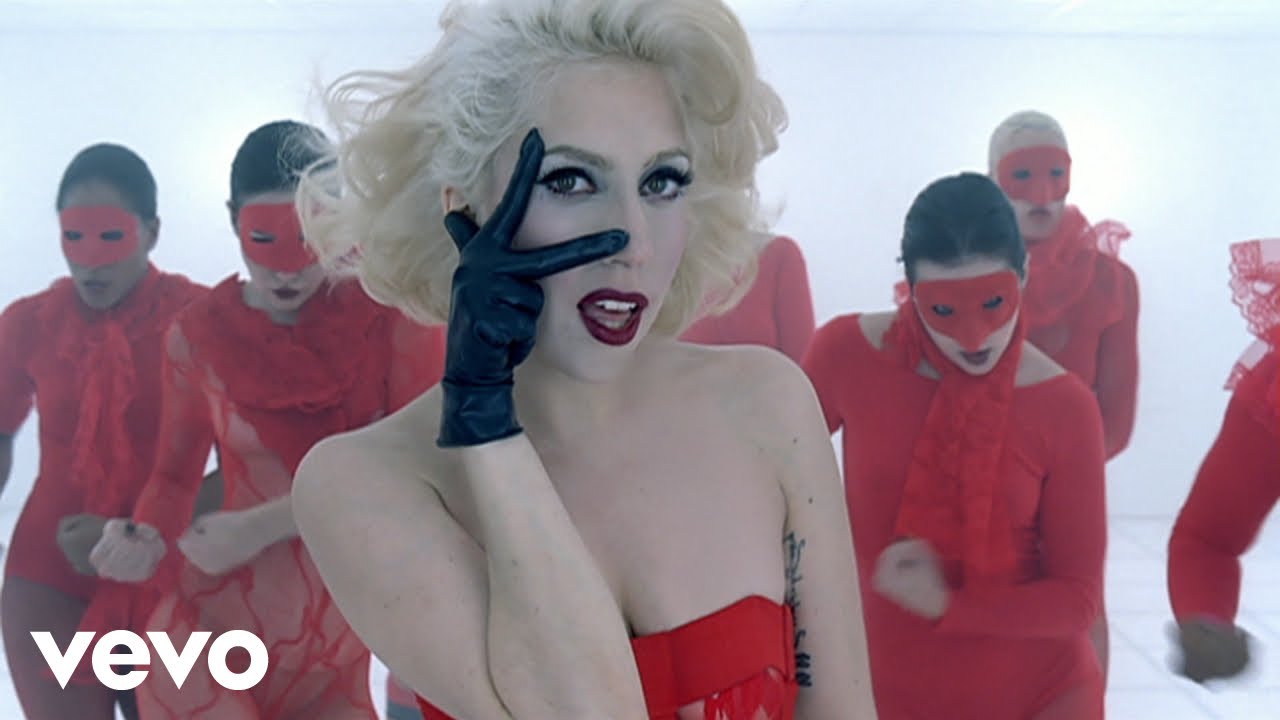




→ More from the 2000s File
View all 2000s hits →
Keep digging