The 2000s File Feature
Cry Me A River
Justin Timberlake Turns Heartbreak Into Triumph on Cry Me A River Picture the start of 2003: Justin Timberlake, the former boy-band star, is establishing him…
01 The Story
Justin Timberlake Turns Heartbreak Into Triumph on "Cry Me A River"
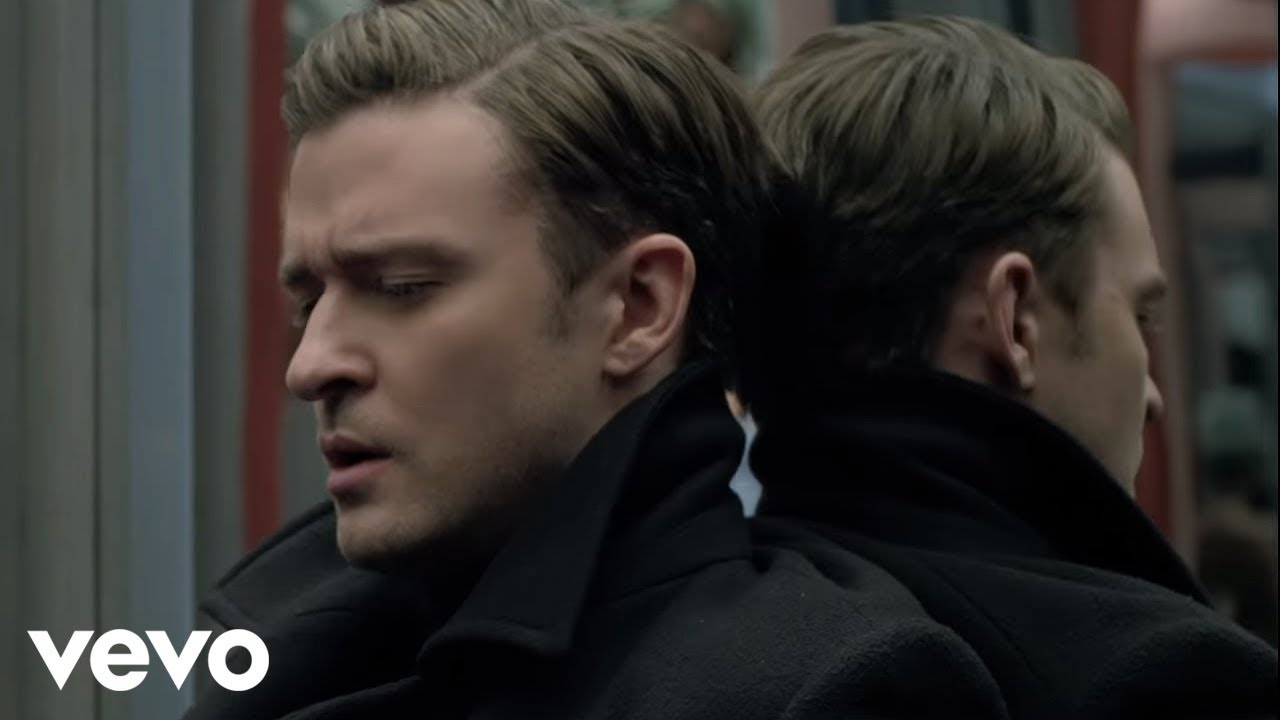
Picture the start of 2003: Justin Timberlake, the former boy-band star, is establishing himself as a serious solo artist and a major creative force, and he is about to release one of the defining songs of his transformation. Built on innovative production by Timbaland, "Cry Me A River" was a dramatic, atmospheric anthem of romantic betrayal and emotional revenge that announced Timberlake as a sophisticated solo star and became one of the defining songs of its era.
A Solo Star Emerges
Justin Timberlake had risen to fame as a member of one of the biggest boy bands of all time, but with his solo debut he established himself as a serious solo artist and a major creative force. "Cry Me A River" was a defining song of that transformation, a sophisticated, dramatic track that showcased his artistic growth and his credibility as a solo star. Built on innovative, atmospheric production by the brilliant Timbaland, the song combined cutting-edge production with Timberlake's soulful, emotionally charged vocals. It announced him as a sophisticated solo star and became one of the defining songs of its era.
Dramatic Betrayal and Revenge
The recording is a dramatic, atmospheric anthem, built on Timbaland's innovative, cutting-edge production, full of beatboxing, atmospheric textures, and dramatic dynamics. The song expresses the emotional turmoil of romantic betrayal and a kind of emotional revenge, the singer confronting a lover who wronged him and turning the tables, telling her that now it is her turn to cry. That theme of betrayal answered with emotional strength and revenge, delivered with dramatic intensity, gives the song its powerful emotional charge. Timberlake's soulful, emotionally charged vocals carry the drama, while Timbaland's production gives the song its innovative, atmospheric power. It is sophisticated, dramatic pop of real emotional intensity.
A Climb Into the Top 5
The single entered the Billboard Hot 100 on December 21, 2002, and climbed to its peak of number 3 on February 1, 2003, enjoying a substantial 20 weeks on the chart. The strong showing confirmed the song's broad appeal and Timberlake's successful transformation into a solo star. The dramatic, sophisticated song became one of the defining songs of its era and a landmark of his solo career. Its enormous popularity reflects its status as a beloved classic and a showcase of Timberlake's artistic growth.
A Defining Transformation
"Cry Me A River" stands as one of the songs that defined Justin Timberlake's transformation from boy-band star to serious solo artist, a sophisticated, dramatic anthem that established his credibility and creative force. The song's innovative production, soulful vocals, and dramatic theme have kept it a beloved classic across the decades. The recording captures the artistic growth and the cutting-edge production that announced Timberlake as a major solo star. Its enduring popularity reflects its status as a defining song of its era.
The Power of Innovative Production
What makes "Cry Me A River" so significant and enduring is the way it married Timberlake's emotional vocals to Timbaland's innovative, cutting-edge production to create something sophisticated and groundbreaking. Timbaland was one of the most innovative and influential producers of his era, a genius whose distinctive, futuristic production, full of unusual rhythms, atmospheric textures, beatboxing, and inventive sound design, transformed the sound of pop and hip-hop. "Cry Me A River" showcased that production brilliance, its dramatic, atmospheric soundscape giving the song a sophisticated, cutting-edge quality unlike anything else. The innovative production was crucial to the song's impact and to Timberlake's transformation, the sophisticated, groundbreaking sound establishing his credibility as a serious artist rather than a mere boy-band star. By pairing his soulful, emotionally charged vocals with Timbaland's innovative production, Timberlake created something that was both emotionally powerful and sonically sophisticated, a song that announced his artistic growth and his arrival as a major creative force. The collaboration between a gifted vocalist and a visionary producer created something greater than either could alone, the innovative production elevating the emotional drama and the emotional vocals giving the production human depth. That power of innovative production, the way Timbaland's groundbreaking sound transformed the song and helped announce Timberlake as a sophisticated solo star, is exactly why "Cry Me A River" became such a defining and influential hit. The song demonstrated how cutting-edge production could elevate pop into something sophisticated and artistically serious, and that marriage of innovative production and emotional vocals is exactly why the song has endured as a beloved classic.
Press play and feel that drama; this is sophisticated, innovative pop that announced a major solo star.
"Cry Me A River" — Justin Timberlake's singular moment on the 2000s charts.
02 Song Meaning
The Emotional Revenge of "Cry Me A River" by Justin Timberlake
This is a song about romantic betrayal answered with emotional strength and revenge, the turning of the tables on a lover who wronged the singer. "Cry Me A River" lives in that dramatic emotional reckoning, and its meaning rests in the response to betrayal with strength and a kind of emotional revenge.
Confronting Betrayal
The song's central situation is confronting a lover who betrayed and wronged the singer. Having been betrayed, the singer confronts the one who hurt him, refusing to simply suffer in silence. That confrontation of betrayal, the facing of the one who caused the hurt, is the dramatic heart of the song. Rather than passive heartbreak, the song presents an active reckoning, the singer confronting the betrayal and the person responsible for it with strength and emotional force.
Turning the Tables
What gives the song its dramatic power is the turning of the tables, the emotional revenge. The singer tells the lover who wronged him that now it is her turn to cry, turning the tables and refusing to be the only one who suffers. That emotional revenge, the reversal in which the betrayer now faces the consequences, gives the song its sense of strength and reckoning. The song refuses victimhood, instead asserting strength and turning the emotional tables on the one who caused the betrayal.
Strength Over Suffering
Beneath the revenge runs a theme of responding to hurt with strength rather than mere suffering. Rather than simply being crushed by betrayal, the singer responds with emotional strength, asserting himself and refusing to be defeated. That strength, the refusal to be merely a victim of betrayal, gives the song an empowering quality. The song models a response to romantic betrayal based on strength and self-assertion rather than passive suffering, the turning of hurt into emotional power and reckoning.
Why Its Reckoning Resonates
The song connects because the response to betrayal it offers, strength and emotional reckoning rather than mere suffering, is both satisfying and empowering. Many people have experienced romantic betrayal and longed to respond with strength rather than simply suffer, to turn the tables on the one who wronged them. The song gives that desire a dramatic, sophisticated expression, the powerful production and emotional vocals making the reckoning feel cathartic. "Cry Me A River" lasts because it captures the response to betrayal with strength and emotional revenge, the turning of the tables on a lover who wronged the singer, and that empowering, dramatic reckoning is exactly why the song became such a defining hit.
→ More from Justin Timberlake
View all Justin Timberlake hits →



→ More from the 2000s File
View all 2000s hits →

Keep digging