The 2010s File Feature
Mirrors
The Creation and Chart History of "Mirrors" by Justin Timberlake Justin Timberlake recorded "Mirrors" as part of his third studio album The 20/20 Experience,…
01 The Story
The Creation and Chart History of "Mirrors" by Justin Timberlake
Justin Timberlake recorded "Mirrors" as part of his third studio album The 20/20 Experience, released in March 2013 by RCA Records. The album marked Timberlake's return to recording after a seven-year absence from solo music, during which he had focused on film acting and other ventures. "Mirrors" was written by Timberlake in collaboration with Timothy "Timbaland" Mosley, James Fauntleroy, Chris Godbow, Garland Mosley, and Jerome "J-Roc" Harmon, all of whom were central contributors to the album's production sessions. The track was produced by Timbaland, who had worked with Timberlake on his earlier albums and helped define the sonic identity of his solo career.
The song was recorded over a period spanning multiple studio sessions, largely at Timbaland's Miami studio. During production, Timberlake and his collaborators developed an extended arrangement that significantly departed from conventional pop song structure. The final album version runs approximately eight minutes, featuring a lengthy instrumental coda that builds gradually over its second half. This structural ambition was notable in an era when single-oriented production typically compressed songs to under four minutes, and it reflected Timberlake's stated interest in creating music that functioned as album art rather than purely as commercial product.
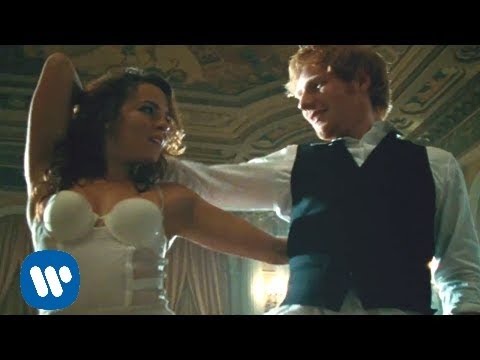
For commercial release as a single, a radio edit was prepared, trimming the track to a more radio-compatible length. RCA Records issued "Mirrors" as the second official single from The 20/20 Experience, following "Suit and Tie," which had already established significant chart momentum. The single's release was supported by a music video directed by Floria Sigismondi, which intercut performance footage with a narrative involving two elderly figures whose love story mirrors the song's lyrical themes. The video's visual treatment and emotional register were widely praised by critics and helped amplify the song's presence on social media and video platforms.
On the Billboard Hot 100, "Mirrors" had an unusual chart journey. The track debuted at number 24 on the chart dated March 2, 2013, a strong initial entry that reflected the commercial anticipation surrounding The 20/20 Experience. However, the chart history reveals an atypical mid-trajectory dip, with the song falling to number 76 and then number 97 before recovering and climbing steadily over subsequent months. This kind of pattern sometimes reflects the mechanics of album release cycles, where debut week activity spikes and then corrects before radio play has time to build a sustainable audience. "Mirrors" ultimately reached its peak of number two on the Hot 100, held from the chart dated June 15, 2013, a position it held for multiple weeks.
The song remained on the Billboard Hot 100 for 42 weeks, a testament to sustained listener engagement across a long chart cycle. During its peak period, "Mirrors" competed primarily against other major summer pop releases and was held from the top position by tracks from competing artists who occupied the summit during overlapping chart windows. Despite not reaching number one on the Hot 100, the song performed at the top of several other Billboard component charts, including the Adult Contemporary chart, where it achieved its highest sustained ranking.
Internationally, "Mirrors" performed exceptionally well. It reached number one in Australia and Ireland, and charted within the top five in the United Kingdom, Germany, Canada, and Sweden, among other territories. The song's global chart success contributed to The 20/20 Experience becoming one of the best-selling albums of 2013, with the single functioning as a sustained commercial engine long after the album's initial release window had passed.
At the 2014 Grammy Awards, "Mirrors" was nominated in multiple categories, including Record of the Year, reflecting its critical standing alongside its commercial performance. The song's music video also received recognition at several video award ceremonies, and its eight-minute full-length version was frequently cited in year-end critical assessments as one of the most ambitious pieces of mainstream pop production of the decade. Critics noted that its structural ambition, its emotional directness, and its fusion of vintage soul influences with contemporary production techniques made it a standout moment in Timberlake's catalog as well as in the broader landscape of 2013 pop music. The track's enduring presence on streaming platforms and continued radio airplay confirm its status as one of the defining pop singles of the early 2010s.
02 Song Meaning
Themes and Meaning in "Mirrors" by Justin Timberlake
"Mirrors" addresses romantic love through the metaphor of reflection, using the image of a mirror to convey the idea that a deeply intimate relationship reveals one's truest self back to them through the eyes of another person. The song's narrator describes a partner who functions not merely as a companion but as a kind of spiritual mirror, capable of showing the narrator who he fundamentally is in ways that ordinary experience cannot. This concept of love as a vehicle for self-knowledge is drawn from classical romantic thought and has precedents in poetry and literature, but "Mirrors" translates it into an accessible pop context without diluting its emotional depth.
Justin Timberlake has spoken in interviews about the song being inspired by his grandparents' marriage and the vision of enduring, decades-long partnership they represented. This biographical grounding gives the track a quality of aspiration, treating long-term commitment as an ideal worth articulating in the language of contemporary popular music. The song's narrator is not describing the early flush of romantic infatuation but rather the deeper recognition of a singular person, the one whose presence is irreplaceable and whose absence would constitute an existential loss.
The extended musical structure of the song supports its lyrical ambitions. The lengthy instrumental coda that closes the full album version functions as a kind of wordless continuation of the declaration made in the vocal sections, suggesting that the feeling being described exceeds the capacity of language to contain it. This structural choice was noted by critics who observed that the song's emotional logic demanded the space the extended arrangement provided. The fade into a sustained instrumental passage mirrors, in formal terms, the idea that genuine love outlasts any particular articulation of it.
Cultural reception of "Mirrors" was shaped by its widespread use at weddings and in other ceremonial romantic contexts. The song became a standard choice for first dances and similar rituals, an adoption that reflected the clarity and directness of its romantic message. Unlike many pop love songs that occupy ambiguous lyrical territory, "Mirrors" is unequivocal in its declarations, and that emotional clarity made it especially suitable for contexts in which participants wanted music that said something specific and lasting about commitment.
The song also resonated with listeners grappling with the experience of recognizing a uniquely significant relationship. Its central proposition, that another person can reflect one's own best self back, speaks to a widely shared experience of relational transformation. The lyrical insistence on the singularity of the beloved, the "only one" framing that recurs throughout the text, gave the song an intensity that distinguished it from more generic romantic pop of the same period. Critics pointed to this specificity as one of the song's chief virtues, noting that its emotional stakes felt genuine rather than formulaic.
In terms of its position within Timberlake's catalog, "Mirrors" is frequently described as his most emotionally unguarded single, a song that traded in the ironic cool that characterized much of his earlier work for something warmer and more explicitly vulnerable. This tonal shift was received positively by a broad audience and helped extend his commercial appeal into demographic segments that had been less engaged by the more stylized persona of his earlier career. The song's enduring popularity on streaming platforms suggests that its emotional directness has kept it relevant long after its chart cycle ended, functioning as a touchstone for listeners seeking music that treats romantic love as a serious subject worthy of ambitious artistic treatment.
→ More from the 2010s File
View all 2010s hits →



Keep digging