The 2000s File Feature
We Weren't Crazy
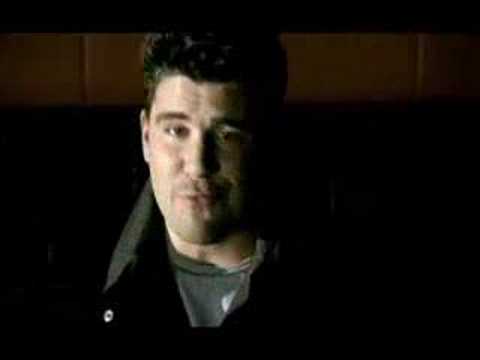
"We Weren't Crazy" — Josh Gracin's Country Career and a Mid-Decade Crossroads From American Idol to Nashville The story of Josh Gracin begins with a televisi…
01 The Story
"We Weren't Crazy" — Josh Gracin's Country Career and a Mid-Decade Crossroads
From American Idol to Nashville
The story of Josh Gracin begins with a television competition. A United States Marine from Michigan, Gracin became a contestant on the second season of American Idol in 2003, finishing in fourth place behind Ruben Studdard, Clay Aiken, and Kimberley Locke. Even in an era when American Idol finalists faced considerable skepticism from music industry traditionalists, Gracin's country credentials were evident from his earliest performances, and Nashville came calling before the competition had fully cooled.
His debut on the Lyric Street Records label generated a self-titled album in 2004 that performed respectably on the country charts. The single "Nothin' to Lose" reached number 3 on the Billboard Hot Country Songs chart, establishing Gracin as a commercially viable presence in the genre rather than merely a television personality. His follow-up material continued to find country radio audiences through the mid-2000s, building the kind of moderate but consistent chart presence that Nashville labels regarded as a sustainable foundation.
The Creation of "We Weren't Crazy"
By 2008, Gracin was recording for his second album, We Weren't Crazy, which gave its title to the lead single. The album represented a continuation of his mainstream country sound, rooted in the mid-tempo ballad tradition that dominated country radio during that period. The mid-2000s country mainstream had moved toward polished production with strong country-rock elements, and Gracin's material fit comfortably within those parameters.
The single carried the emotional weight typical of country relationship songs of the era: a narrator looking back at a past relationship and finding, in retrospect, both the validity of the feelings and the recognition that the relationship's end was probably inevitable. This combination of affirmation and acceptance was a reliable formula in country songwriting, one with deep roots in the tradition and consistent appeal to country radio's core demographic.
The Billboard Hot 100 Appearance
The title track debuted on the Billboard Hot 100 on April 19, 2008, at number 82, which also proved to be its peak position on that chart. The record's trajectory on the Hot 100 was brief and ultimately declining, falling from 82 to 88 to 96 to 98 to 99 over successive weeks, spending 10 weeks on the chart before exiting. This pattern reflected the typical country crossover situation of the period: a song successful enough on country-specific airplay to generate Hot 100 visibility through rural radio and country streaming, but not broad enough in appeal to generate significant traction among the pop listeners who drove the overall chart.
On the Billboard Hot Country Songs chart, the song found more natural footing, as would be expected given Gracin's established country radio relationships. Country radio remained his primary audience, and the Hot 100 appearance was a byproduct of that success rather than an independent crossover achievement.
The Country Radio Landscape in 2008
The spring of 2008 on country radio was a competitive environment. Taylor Swift had released Fearless later that year, but artists like Kenny Chesney, Dierks Bentley, and Brad Paisley were dominant forces on country airplay, and mid-level country artists faced real competition for station time. Gracin's position in this landscape was that of a credible but not dominant force, a performer with a proven audience base but without the star power to command the repeated spins that drove big chart numbers.
The era was also a transitional one for country music, with the genre absorbing increasing influence from mainstream rock while maintaining the lyrical and thematic traditions that defined its identity. Artists like Gracin navigated that transition by leaning into well-crafted traditional country material without attempting the more aggressive rock crossover moves that some of his peers were making.
Legacy Within a Solid Career
Josh Gracin's career represents a particular kind of Nashville success story: the artist who builds genuine audience loyalty through consistent, quality work without ever crossing the threshold into superstardom. "We Weren't Crazy" fits that career arc precisely. It is a well-made country single that served its audience well, appeared briefly on the broader charts, and contributed to a body of work that Gracin's fans continued to support. Put on the title track and hear a craftsman of country balladry at work in a moment that suited his strengths.
"We Weren't Crazy" — Josh Gracin's singular moment on the 2000s charts.
02 Song Meaning
"We Weren't Crazy" — Meaning, Themes, and the Country Tradition of Looking Back
Romantic Revisionism and the Country Ballad
Country music has always had a sophisticated relationship with the past tense. The genre's lyrical tradition is full of narrators who look back at relationships, whether ended through heartbreak, circumstance, or mutual recognition of incompatibility, and find in retrospect both loss and understanding. "We Weren't Crazy" by Josh Gracin participates in this tradition, offering a narrator who revisits a past relationship not with bitterness but with a kind of rueful affirmation. The central argument of the song is that what two people felt for each other was real and valid, even if the relationship ultimately could not endure.
This is a psychologically complex position to maintain in a pop song, and the country ballad form is one of the few mainstream commercial formats that has consistently made space for it. The genre's willingness to sit with ambivalence, to say simultaneously that something was good and that it ended, reflects a maturity about human experience that listeners recognize and appreciate.
The Language of Validation
The title phrase functions as a retroactive defense of the feelings involved. To declare that a couple was not crazy for loving each other, for committing to each other, is to push back against the social tendency to recast failed relationships as mistakes from the beginning. Country music's core audience, largely adults with lived experience of long-term relationships and their complications, responds to this kind of emotional honesty with particular intensity.
There is also something specifically American about this lyrical territory. The cultural mythology of romantic love places enormous value on the idea that the feelings were genuine, that even if the relationship failed, the love itself was real. Songs that affirm this belief speak to a widespread psychological need, the need to feel that one's emotional history was not simply a series of errors but a series of genuine experiences, even the ones that ended painfully.
Gracin's Interpretive Gifts
Josh Gracin's vocal delivery is central to what makes the song work. His voice carries the kind of direct, unaffected quality that country audiences value, a sense that the emotion in the performance is felt rather than performed. His background as a competitive singer on American Idol gave him technical range and control, but his appeal in Nashville came from his ability to make that technique invisible, to project sincerity rather than virtuosity.
This quality served the material well. A song about the validity of past feelings requires a vocal performance that sounds genuinely reflective rather than professionally calculated, and Gracin's approach throughout his career had been to prioritize emotional authenticity over demonstrative technique.
Country Music's Relationship Vocabulary
The broader significance of "We Weren't Crazy" lies in its participation in one of country music's most durable lyrical traditions. Country songwriting had developed over decades a specific vocabulary for discussing romantic relationships: the roads taken and not taken, the choices that felt right at the time, the recognition that feelings can be valid even when outcomes are painful. This vocabulary is so well-developed in the genre that a skilled songwriter can deploy it with economy and precision, trusting the audience to supply the emotional resonance from their own experience.
Gracin's recording arrives at a moment, 2008, when mainstream country was balancing this lyrical heritage with increasingly polished production values and a commercial orientation toward the broader pop market. The song manages that balance competently, delivering the traditional emotional content in a production frame that could speak to country radio while remaining accessible to listeners from adjacent genres. That accessibility, along with the emotional honesty at the song's core, explains its ability to generate even brief Hot 100 visibility in a competitive commercial environment.
→ More from Josh Gracin
View all Josh Gracin hits →

→ More from the 2000s File
View all 2000s hits →
Keep digging