The 2000s File Feature
I Want To Live
"I Want To Live" — Josh Gracin's Anthem of Second Chances Travel back to the summer of 2004, when country radio was full of big-hearted songs about gratitude…
01 The Story
"I Want To Live" — Josh Gracin's Anthem of Second Chances
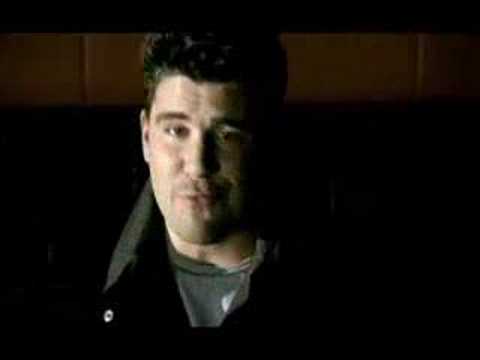
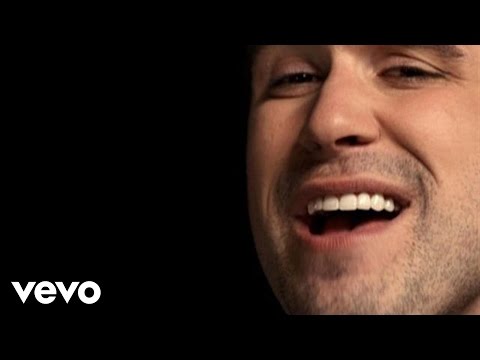
Travel back to the summer of 2004, when country radio was full of big-hearted songs about gratitude and grabbing life with both hands, and a former Marine turned reality-show contestant was about to prove he belonged in that world. Josh Gracin had won fans on a national talent competition, and "I Want To Live" was the moment he stepped fully into his own as a country artist. It is a song made for rolled-down windows and open highways, an unguarded burst of optimism delivered with real conviction.
From the Spotlight of Television to Nashville
Gracin arrived with a story that audiences already knew. He had served in the military and competed on a hugely popular televised singing show, giving him a built-in fan base before his debut single ever hit the airwaves. That visibility was a double-edged sword, since reality-show alumni often struggled to be taken seriously in Nashville. Gracin used this song to establish himself as a genuine country voice, not just a TV personality chasing a fad. His warm, earnest delivery suited the material perfectly, and it helped convince skeptics that his interest in country music was sincere rather than opportunistic. The transition from television fame to a working recording career is a difficult one, and this single was a crucial early step.
A Steady Climb Up the Hot 100
While Gracin was primarily a country artist, this single also made its mark on the all-genre Billboard Hot 100. It debuted on the chart dated July 3, 2004, entering at number 76. From there it built momentum gradually, moving to 75, then 70, then 66, then 57, a patient climb powered by country radio support. The single peaked at number 45 on the chart dated August 28, 2004, a respectable crossover showing for a new artist. It spent 14 weeks on the Hot 100, a sign of the kind of staying power that comes from steady airplay rather than a quick burst of sales. That a country single could linger this long on the all-genre chart in 2004 speaks to the genre's broad reach during the period, when country was steadily expanding its mainstream audience.
A Song About Saying Yes to Life
The track fits squarely into a beloved country tradition of life-affirming anthems. Its message is uncomplicated and uplifting, an invitation to stop merely existing and start truly living. The sentiment matched the optimistic, accessible tone of mainstream country in the early 2000s, a moment when the genre was reaching wider audiences than ever. Gracin's sincerity kept the song from feeling like an empty platitude, grounding the big emotions in something that felt personal. The arrangement leans on bright guitars and a singalong chorus, the radio-ready formula that defined the era's most successful country hits. That polished, accessible sound was the surest route to airplay in 2004, and the song wears it comfortably without losing its sense of sincerity.
Country's Wide Embrace in the 2000s
The early 2000s were a boom time for country music's reach, a period when the genre regularly produced songs that crossed over to mainstream audiences far beyond its traditional base. Radio formats had grown more welcoming to country's blend of clear storytelling and emotional directness, and listeners who might never have called themselves country fans found themselves singing along. A song like this one benefited directly from that openness, riding the genre's expanding appeal onto the all-genre chart. Gracin's accessible, unpretentious style fit the moment perfectly, offering exactly the kind of warm, relatable material that helped country win over a broader public during these years.
A Foundation for a Career
The success of "I Want To Live" helped establish Gracin as a working country artist beyond his television origins. It demonstrated that he could deliver the kind of relatable, radio-friendly material the format demanded. For listeners who first met him on screen, the song confirmed that his musical ambitions were real. It gave him a foothold in a notoriously competitive industry and showed that a reality-show background did not have to be a permanent label. Press play and let its open-hearted energy remind you what it feels like to chase a brighter day.
"I Want To Live" — Josh Gracin's singular moment on the 2000s charts.
02 Song Meaning
The Meaning Behind "I Want To Live" by Josh Gracin
This is a song about the difference between surviving and actually living, a heartfelt call to embrace experience rather than let life pass by. Its message is simple and direct, the kind of uplifting sentiment that country music has long delivered with conviction. At its core, it is about choosing to make every moment count, and refusing to settle for an existence spent merely getting by.
A Plea Against Going Through the Motions
The central theme is a rejection of empty routine. The narrator recognizes how easy it is to drift through days without really feeling anything, and he refuses to accept that fate. The lyric is a declaration of intent, a promise to live with passion and presence. It speaks to anyone who has felt stuck in autopilot, offering the reassurance that a fuller, more deliberate life is always within reach. That accessibility is exactly what gives the song its broad appeal, because almost everyone has felt the pull of routine and the quiet wish to break free of it.
Gratitude and Urgency
Beneath the optimism runs a quiet sense of urgency, an awareness that time is limited and chances should not be wasted. The song frames living fully as both a privilege and a responsibility, encouraging listeners to seize opportunities while they have them. This blend of gratitude and motivation is a hallmark of the inspirational country songs that dominated the format in this period. It taps into a deeply human desire to make our limited days meaningful, to look back without regret over chances we let slip away.
The Country Tradition of Affirmation
Country music has always excelled at songs that celebrate ordinary life and the resolve to face it head-on. This track sits comfortably within that lineage of hopeful, big-hearted anthems. In the early 2000s, as country reached an expanding mainstream audience, songs like this one carried universal messages that resonated far beyond traditional country listeners. The genre's gift for sincerity made it the perfect home for such an unguarded statement of purpose, free of the irony that often colored other styles of the moment.
Sincerity as a Statement
In a cultural landscape that frequently rewarded detachment and cool, the song's open earnestness functions almost as a stance. Its willingness to feel deeply and say so without embarrassment is part of what makes it distinctive. The song asks nothing of the listener except a moment of honest feeling, and it offers genuine encouragement in return. That directness, delivered through Gracin's grounded voice, gives the track a warmth that more guarded music cannot match.
Why It Connects
The lasting appeal of "I Want To Live" comes from its refusal to be cynical. In a world that often rewards detachment, the song dares to be earnest, urging people to feel deeply and chase what matters. That sincerity makes the message feel genuine rather than preachy. It is the kind of anthem people turn to when they need a reminder that life is meant to be embraced, not merely endured, and that timeless encouragement keeps it meaningful long after its chart run ended.
→ More from Josh Gracin
View all Josh Gracin hits →
→ More from the 2000s File
View all 2000s hits →



Keep digging