The 2000s File Feature
Save Room
Song History: "Save Room" by John Legend (2006) John Legend, born John Roger Stephens, had established himself as one of the most critically acclaimed and co…
01 The Story
Song History: "Save Room" by John Legend (2006)
John Legend, born John Roger Stephens, had established himself as one of the most critically acclaimed and commercially successful R&B artists of the mid-2000s following the release of his debut album Get Lifted in 2004. That album, produced primarily by Kanye West, had introduced Legend as a piano-driven soul vocalist whose music drew consciously on the traditions of classic soul and gospel while incorporating contemporary production elements. Get Lifted won the Grammy Award for Best R&B Album and multiple additional Grammy awards, elevating Legend to a position of significant commercial and critical prestige within the genre.
The follow-up album, Once Again, was released in October 2006 on GOOD Music and Columbia Records. Legend worked on the album with a range of producers including will.i.am, Kanye West, Dave Tozer, and Legend himself, producing a collection of tracks that maintained the classic soul aesthetic of the debut while exploring a wider range of emotional territory. The album was designed to demonstrate both continuation and growth: continuation of the musical values that had defined Get Lifted, and growth in terms of emotional range and production sophistication.
"Save Room" was written by John Legend and produced by John Legend and Dave Tozer. The track was built around a Rhodes electric piano figure that recalled the production aesthetics of classic 1970s soul and funk, while incorporating contemporary elements that prevented it from feeling like mere pastiche. The groove was relaxed and intimate, with brushed drums, warm bass, and subtle horn accents creating a bed for Legend's voice that evoked the sophisticated late-night jazz-soul hybrid that artists like Stevie Wonder and Marvin Gaye had pioneered in earlier decades. The production reflected Legend's deliberate positioning of himself within a lineage of Black American musical excellence.
"Save Room" was released as a single from Once Again and debuted on the Billboard Hot 100 on November 11, 2006, entering directly at its peak position of number 61. The song's chart trajectory on the Hot 100 was relatively brief, spending six weeks in total before departing as it cycled through the chart's lower reaches: 61, 81, 95, 93, 99. However, the Hot 100 performance was not the most relevant measure of the song's commercial impact; on the R&B and hip-hop charts, where Legend's core audience was concentrated, the song performed significantly better, receiving strong radio play on urban contemporary and adult R&B stations.
The song was particularly embraced by adult R&B radio formats, which programmed it alongside classic soul recordings and the work of contemporary artists who shared Legend's commitment to organic, instrument-driven R&B. In an era when the dominant currents of R&B were moving toward more electronic, club-oriented sounds, Legend's music occupied a distinct and appreciative niche of listeners who valued the sonic and emotional qualities associated with an earlier era of the genre's history.
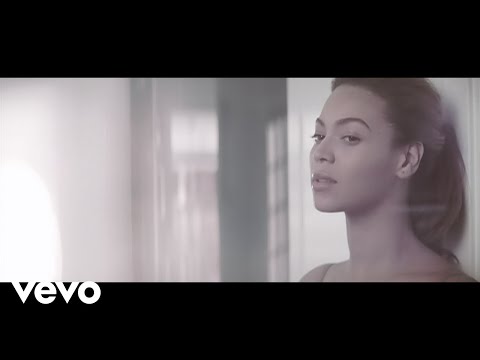
The music video for "Save Room" was filmed in an intimate, atmospheric style consistent with the song's late-night, romantic aesthetic, featuring Legend performing at a piano in settings that reinforced the song's emotional tone. The video received rotation on BET and VH1 Soul, the cable television channels most focused on R&B and soul content, and helped solidify Legend's visual identity as an artist rooted in sophistication and musical craft.
Once Again was a substantial commercial success, debuting at number one on the Billboard 200 album chart and confirming that the audience built by Get Lifted had remained enthusiastically engaged. "Save Room" functioned as one of the album's defining tracks, representing the more intimate, classicist end of the album's tonal range. The song contributed to the album's Grammy nominations and helped maintain Legend's presence on adult R&B and adult contemporary radio during the album cycle. John Legend's ability to write, produce, and perform material of this quality reinforced his reputation as one of the era's most complete artists in the soul-R&B tradition, distinguishing him from contemporaries who were more dependent on external creative collaborators for their recorded output.
02 Song Meaning
Meaning and Themes: "Save Room" by John Legend
"Save Room" is an invitation to romantic availability, structured around a narrator who asks an object of affection to keep a space open for potential love, rather than closing off the possibility before it has been fully explored. The song's emotional premise is gentle and persuasive rather than demanding, operating through the logic of possibility and potential rather than the more urgent registers of declaration or claim. The narrator is making a case for being considered as a romantic partner, presenting this case with warmth and assurance rather than desperation or insistence.
The thematic structure of the song mirrors its sonic approach: both are unhurried and confident, comfortable in their own groove without needing to push aggressively for attention or response. This quality of relaxed assurance is distinctive in a genre where romantic declarations often strain toward emotional extremity. The song's narrator is not overwhelmed by desire but rather pleasurably aware of it, comfortable with the pace of romantic development and willing to allow the relationship to find its own rhythm.
The request embedded in the title, to save room, carries a domestic and physical connotation that grounds the romantic theme in the comfortable, everyday intimacy that mature love involves. Rather than invoking grand passion or catastrophic longing, the song is concerned with the quiet pleasures of companionship: shared time, physical closeness, the uncomplicated enjoyment of another person's presence. This orientation toward comfort and warmth rather than drama and intensity was consistent with the broader aesthetic of John Legend's music during this period.
The song's production directly reinforces its thematic content. The classic soul and jazz influences evident in the arrangement invoke a tradition of romantic music associated with sophistication and genuine emotional depth, rather than the more transient pleasures of club-oriented R&B. By placing the romantic sentiments within this sonic frame, Legend signals that the love being described has enduring, substantive qualities rather than being purely about surface attraction or momentary excitement. The music makes an argument for the narrator's romantic worthiness through its very sonic choices.
There is also a dimension of romantic patience and respect in the song's emotional stance. The narrator does not demand or assume but rather requests and hopes, acknowledging that the other person has agency in the romantic situation and that their willingness to remain open to the possibility of love is something to be earned through genuine connection rather than claimed by force or manipulation. This posture was one that resonated with listeners who valued these qualities in romantic behavior, offering a model of loving approach that felt both aspirational and achievable.
In the broader context of mid-2000s R&B, "Save Room" occupied a distinct emotional and aesthetic register from the more sexually explicit or dramatically intense material that dominated the genre's commercial mainstream. Legend's consistent interest in romantic love as a form of genuine human connection rather than primarily a vehicle for sexual conquest or emotional conflict gave his music a particular appeal to audiences who found the genre's dominant modes unsatisfying. "Save Room" was a clear expression of this alternative vision of what R&B could communicate about how men and women relate to each other, and its enduring affection among listeners suggests that this vision found a genuinely receptive audience.
→ More from the 2000s File
View all 2000s hits →



Keep digging