The 2000s File Feature
Somebody's Hero
The Story Behind Somebody's Hero by Jamie O'Neal Picture the summer of 2005: country radio is full of trucks, heartbreak, and small-town pride, but every so …
01 The Story
The Story Behind "Somebody's Hero" by Jamie O'Neal
Picture the summer of 2005: country radio is full of trucks, heartbreak, and small-town pride, but every so often a song slips through that aims straight for the tear ducts. Jamie O'Neal, an Australian-born singer with a powerhouse voice and a gift for emotional balladry, delivered exactly that kind of record. Tender and unabashedly sentimental, it traced the quiet heroism of a mother across the seasons of a life, and it struck a chord with listeners who recognized their own families in its verses.
An Artist Built On Emotion
By 2005, Jamie O'Neal had already proven she could connect with country audiences. She had broken through earlier in the decade with a pair of number-one country hits, establishing herself as a vocalist who could carry a big, heartfelt ballad. "Somebody's Hero" was the title track and lead single from her second studio album, Brave, released that year. The song positioned her squarely in the lane of emotional storytelling, the kind of material that rewards a singer who can sell genuine feeling without tipping into melodrama.
A Song About Everyday Heroism
The track was built around a simple, powerful idea: that the people who shape us most profoundly are often the ones doing unglamorous, unseen work at home. The lyrics moved through the stages of a life, showing how a mother is a hero to her child, and how that role echoes forward through generations. The arrangement kept things gentle and warm, letting O'Neal's expressive voice carry the weight. It was a song designed to make grown listeners think of their own parents, and it knew exactly which emotional buttons to press.
A Steady Climb On The Country Chart
The single took a patient path up the charts, the way many country ballads do, building through word of mouth and repeated radio play. It debuted on the Billboard Hot Country Songs chart dated July 30, 2005, at number 99, then climbed slowly over the following months. It eventually peaked at number 51 on October 15, 2005, after a long and steady ascent. In all it spent seventeen weeks on the chart, a run that reflected the song's slow-burning emotional pull and the loyalty of its audience.
The Country Tradition Of The Tearjerker
The song belongs to one of country music's oldest and most cherished traditions: the family tribute that aims straight for the heart. Long before 2005, the genre had built a reputation for songs about parents, children, and the passing of time, the kind of records that get played at weddings, funerals, and holidays. These songs work because country audiences have always prized sincerity over irony, valuing a singer who can deliver genuine feeling without flinching. By stepping into that lineage, O'Neal connected her song to a deep well of cultural memory, tapping the same emotional vein that has made family-themed country songs perennial favorites. The mid-2000s format had room for this kind of unabashed sentiment alongside its party anthems, and the contrast only made the tender material land harder.
A Sentimental Signature
While it did not reach the chart heights of her earlier number ones, the song became one of Jamie O'Neal's most beloved and enduring recordings, the kind of track that gets requested at Mother's Day and family gatherings for years afterward. It captured a particular strain of country music that values heart above all else, and it confirmed O'Neal's reputation as an artist who could deliver real emotional impact. For many fans it remains the song they most associate with her, a defining performance that outlasted its modest chart numbers and became a small standard in its own right.
Put it on when you are feeling tender, and let it remind you of the everyday heroes in your own life.
"Somebody's Hero" — Jamie O'Neal's singular moment on the 2000s charts.
02 Song Meaning
The Meaning Of "Somebody's Hero" by Jamie O'Neal
At its heart this is a song about the quiet, unsung heroism of motherhood, and more broadly about the way ordinary people become extraordinary in the eyes of those who love them. It builds its emotional power not through grand gestures but through small, recognizable moments, the kind that fill an entire life and usually go unremarked.
The Heroism Of The Everyday
The song's central argument is that heroes are not always larger-than-life figures. The real hero in these verses is a mother, someone whose courage shows up in patience, sacrifice, and steady presence rather than in any dramatic act. By framing this kind of devotion as genuine heroism, the lyrics ask the listener to reconsider who truly deserves admiration, pointing toward the people closest to home.
The Passage Of Time
The lyrics move through the stages of a life, and that structure is essential to the meaning. The song traces how the parent-child bond evolves and repeats across generations, with one figure's love shaping the next. This cyclical view gives the song a quiet weight, suggesting that small daily acts of care ripple far beyond the moment, echoing forward into the lives of children and grandchildren.
An Emotional Mirror
Much of the song's impact comes from how directly it invites personal reflection. It is written to make listeners think of their own mothers and families, holding up a mirror rather than telling a stranger's specific story. The deliberately universal details let almost anyone see their own experience in it, which is precisely why it became a fixture at family celebrations and emotional milestones.
A Tribute Without Sentimentality's Traps
Songs about mothers run a real risk of tipping into cloying excess, and part of this one's craft is how it manages that danger. It earns its emotion through specific, recognizable images rather than empty praise, grounding its tribute in the texture of real family life. By showing love through small, concrete acts instead of abstract declarations, the song stays on the right side of the line between heartfelt and saccharine. That restraint is what gives it lasting power; listeners trust the feeling because it feels observed rather than manufactured, drawn from life rather than from a greeting card.
Why It Resonated
The song connected because it spoke to feelings nearly everyone carries but rarely puts into words. Gratitude toward a parent is one of the most universal emotions there is, and the track gave that gratitude a tender, singable shape. In a country format that has always prized sincerity and family values, a song celebrating the quiet heroism of mothers was almost guaranteed to find a devoted audience, and it has remained meaningful long after its chart run ended, the kind of recording families return to year after year.
→ More from Jamie O'Neal
View all Jamie O'Neal hits →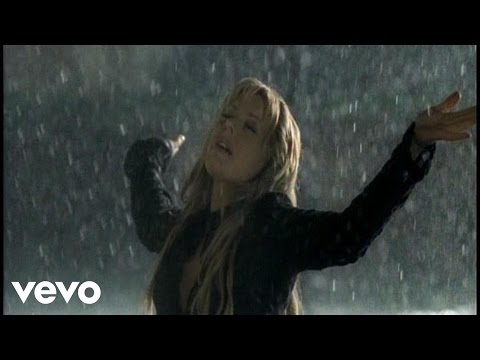


→ More from the 2000s File
View all 2000s hits →

Keep digging