The 2000s File Feature
Crash
Crash — Gwen Stefani (2006) Note: "Crash" is a Gwen Stefani single from 2006, distinct from the Dave Matthews Band track of the same name and from various ot…
01 The Story
Crash — Gwen Stefani (2006)
Note: "Crash" is a Gwen Stefani single from 2006, distinct from the Dave Matthews Band track of the same name and from various other recordings sharing the title.
Gwen Stefani released "Crash" in 2006 through Interscope Records, drawn from her debut solo album Love. Angel. Music. Baby. (commonly abbreviated as L.A.M.B.), which had been released in November 2004. By the time "Crash" arrived as a single, the L.A.M.B. album had already generated several successful singles and had proven to be one of the most commercially successful solo debuts by a lead vocalist stepping out from an established band. No Doubt had been on hiatus while Stefani pursued her solo career, and the success of L.A.M.B. had demonstrated that her individual star power was fully sufficient to sustain a mainstream pop career independent of the band.
The L.A.M.B. album had been built around an eclectic production approach that drew from New Wave, dancehall, hip-hop, and electropop, a deliberately maximalist palette that reflected both Stefani's artistic restlessness and the creative input of an all-star production roster. The album's producers included The Neptunes, Dallas Austin, Linda Perry, and Dr. Luke, among others, giving it a range of sonic textures that moved between the tracks rather than maintaining any single consistent sound. "Crash" emerged from this environment, carrying the album's characteristic blend of pop accessibility and stylistic adventurousness.
Stefani's post-No Doubt commercial moment was at a particularly high intensity during the L.A.M.B. era. "Hollaback Girl," the album's breakthrough single, had reached number one on the Billboard Hot 100 in 2005 and become one of the defining pop singles of that year. The album had gone multi-platinum in the United States and numerous other markets, establishing Stefani's solo credentials in the most decisive possible terms. By the time later singles from the album were being released in 2006, she was one of the most commercially prominent solo pop artists in the world, and "Crash" benefited from that elevated platform.
The production of "Crash" reflected the dance-oriented and electronically influenced dimensions of the L.A.M.B. album's palette. The track had a propulsive, energetic quality consistent with the new wave and synth-pop influences that Stefani had cited as central to her solo creative direction. Her vocal performance was assertive and commanding, characteristics that had defined her work with No Doubt and that translated effectively into the solo pop context.
In the broader context of 2006 pop music, "Crash" arrived during a period when electronic dance influences were becoming increasingly prominent in mainstream pop production, as the genre was beginning the shift toward the fully electronic soundscapes that would dominate the following decade. Stefani's L.A.M.B. project had been ahead of certain aspects of that curve, and later singles like "Crash" sat comfortably within the evolving sonic mainstream while also carrying the distinctive personality that made her brand of pop identifiable.
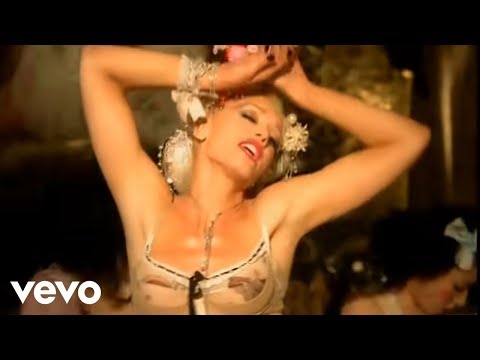
The music video for "Crash" featured Stefani's signature visual aesthetic, the hyper-styled, fashion-forward imagery that had become as central to her brand as her music. Her fashion line L.A.M.B. had launched in 2003 and had been growing in prominence alongside her solo music career, and the integration of fashion and music in her visual output was by 2006 a fully realized aspect of her public identity. The video served not just as a promotional vehicle for the song but as a statement of the broader artistic and commercial brand she had constructed.
The chart performance of "Crash" added to the substantial commercial record of the L.A.M.B. album's singles campaign, which had extended over an unusually long period given the album's continued commercial viability. Stefani was also preparing for the follow-up to L.A.M.B. during this period, which would become The Sweet Escape in late 2006, and the ongoing promotion of her debut kept her profile at an exceptionally high level throughout the year. "Crash" was one of several tracks that sustained that presence at radio and on television during the transition between album cycles.
02 Song Meaning
What "Crash" Means: Gwen Stefani's Pop Identity and the L.A.M.B. Era
"Crash" belongs to the sonic and thematic world that Gwen Stefani constructed with Love. Angel. Music. Baby., a project that was itself an extended meditation on transformation, reinvention, and the experience of stepping into a new identity. The title of the album, spelled out by the four Harajuku Girls who appeared as central figures in Stefani's visual and musical mythology, signaled that this was a project about style, identity, and the deliberate construction of a persona. "Crash" operates within that frame, as a pop song that carries the confidence of an artist who has fully inhabited the character she has been creating.
The emotional register of "Crash" is one of controlled intensity. Stefani's vocal performance conveys both energy and command, the sense of someone operating at the peak of their powers rather than straining to achieve something beyond their reach. That confidence was earned by the time "Crash" appeared: the L.A.M.B. album had already succeeded beyond most expectations, the "Hollaback Girl" phenomenon had confirmed Stefani's ability to generate genuine cultural moments, and the ongoing success of the album's singles campaign had validated the creative direction she had chosen.
For Stefani's catalog, the L.A.M.B. era represents the most fully realized version of the solo pop identity she had been developing. Her work with No Doubt had always contained pop ambitions, and her solo project gave those ambitions room to operate without the constraints of a band format. "Crash" is one of the examples from that project of what a purely Stefani-branded pop song sounds and feels like: high energy, fashion-conscious, lyrically direct, and sonically adventurous within the boundaries of mainstream pop accessibility.
The New Wave influences that Stefani drew on for the L.A.M.B. album were not nostalgic exercises but genuine expressions of a formative musical identity. No Doubt had always carried strong New Wave and ska-punk influences, and the L.A.M.B. project stripped away the ska and punk elements to foreground the New Wave sensibility in a contemporary production context. "Crash" exemplifies this approach, drawing on the propulsive energy and synth-driven textures of early 1980s electronic pop and transplanting them into a 2006 production environment.
The song's lyrics engage with the vocabulary of romantic intensity and physical attraction that characterized the L.A.M.B. album's romantic content. Stefani had moved from the more complicated and sometimes painful romantic narratives of No Doubt's work toward a more assertive and confident romantic persona in her solo material, and "Crash" is consistent with that shift. The narrator is not vulnerable or uncertain; she is in control of the encounter she is describing, and that sense of agency is central to the song's emotional character.
The broader cultural significance of "Crash" and the L.A.M.B. project has to do with how Stefani navigated the transition from band context to solo stardom in a way that relatively few rock vocalists had managed successfully before her. The conventional assumption was that band audiences were loyal to the collective rather than to individual members, and that solo careers from band vocalists would struggle to replicate the original's commercial success. Stefani disproved that assumption convincingly, and the ongoing success of the L.A.M.B. singles campaign through 2006 demonstrated that her individual star power was as commercially potent as the band context had been.
"Crash" represents a late chapter in the L.A.M.B. album's long commercial life, a reminder that the project had been generating successful singles for more than a year and a half by the time it appeared. The album's longevity spoke to the quality of its content and to Stefani's ability to sustain commercial momentum across an unusually extended singles campaign. In that context, "Crash" is both a standalone pop moment and a testament to the overall strength of the project it came from.
→ More from Gwen Stefani
View all Gwen Stefani hits →


→ More from the 2000s File
View all 2000s hits →
Keep digging