The 2000s File Feature
Don't Stop Believin'
Don't Stop Believin' — Glee Cast: Recording, Release, and Chart History The Glee Cast recording of "Don't Stop Believin'" accomplished something that surpris…
01 The Story
Don't Stop Believin' — Glee Cast: Recording, Release, and Chart History
The Glee Cast recording of "Don't Stop Believin'" accomplished something that surprised even its most optimistic commercial projections: it transformed a song that had spent twenty-eight years as a beloved classic rock radio staple into a legitimate contemporary chart hit, demonstrating the capacity of television music to reshape the commercial life of catalog recordings. Released in September 2009 to coincide with the premiere of Fox's Glee, the cover version appeared on the Billboard Hot 100 in a manner that the original Journey recording, released in 1981, had never achieved during its initial chart run.
The original "Don't Stop Believin'" by Journey, from the album Escape, had been a significant album-oriented rock track but had peaked at only number nine on the Hot 100 in 1981. In the intervening decades it had achieved an extraordinary second life through radio play, film and television use, sporting event adoption, and karaoke culture, becoming one of the most recognizable songs in American popular music without ever having been a number-one pop hit. The Glee recording would help push the original back onto digital charts and reinvigorate interest in the song across multiple generations simultaneously.
The Glee production team, led by creator Ryan Murphy and music director Adam Anders, produced the cover with a contemporary pop polish that honored the song's emotional architecture while updating its sonic presentation for 2009 ears. The arrangement retained the piano introduction, the building energy, and the vocal structure that made the original so beloved, while applying a production aesthetic suited to the show's theatrical sensibility and its target demographic of younger viewers who might not have encountered the song in its original context.
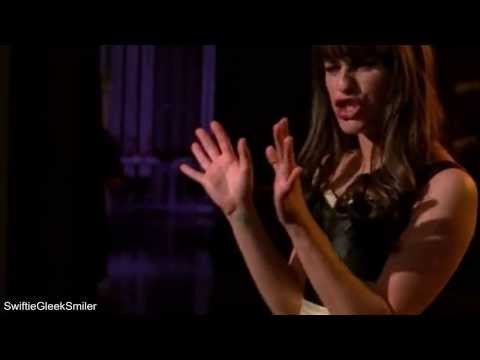
Lea Michele, who portrayed the character Rachel Berry on the show, sang lead on the recording alongside other cast members. Michele's powerful classical theater vocal training gave the performance an intensity that connected naturally to the song's climactic emotional structure. The ensemble nature of the performance, featuring multiple cast members and building to a shared vocal moment, aligned perfectly with the show's central themes of collective ambition and shared passion.
The commercial results exceeded all reasonable expectations. The Glee Cast recording of "Don't Stop Believin'" reached the top 5 of the iTunes chart within hours of becoming available for download and appeared prominently on the Billboard Hot 100. More significantly, the recording pushed the original Journey version back onto digital sales and streaming charts, demonstrating the symbiotic commercial relationship between the television show and the songs it covered. The recording eventually sold over 1 million digital copies, earning RIAA platinum certification.
The timing of the release was strategically calibrated. Fox premiered Glee in a special extended preview episode in May 2009, generating enormous audience interest before the regular season began in September. The "Don't Stop Believin'" performance closed that preview episode in a sequence that went immediately viral, giving the recording months of cultural conversation before it was officially commercially available. By the time the single dropped, it had already been heard and shared millions of times through unofficial online channels.
Music industry observers noted that the Glee model represented a new form of music television that differed fundamentally from earlier formats like American Bandstand or TRL. Rather than promoting existing singles, Glee created new versions of existing songs and generated commercial activity around those new versions, which simultaneously benefited both the cover recordings and the original catalog. Sony Music, which distributed the Glee soundtrack recordings, structured deals with music publishers to share revenue across all the benefiting parties.
The cultural impact of the Glee version of "Don't Stop Believin'" extended well beyond its chart performance. The song became the show's signature and one of the defining pop cultural moments of 2009, a year when the relationship between television, social media, and music commerce was being fundamentally renegotiated. The recording's success helped establish the commercial model for the Glee franchise, which would go on to generate dozens of charting covers across its six-season run.
02 Song Meaning
Don't Stop Believin' — Glee Cast: Meaning, Themes, and Emotional Register
"Don't Stop Believin'" carries thematic content that has proven among the most durable in American popular music, a quality that explains both its extraordinary longevity as a classic rock radio staple and the extraordinary resonance of the Glee Cast's 2009 cover. The song's subject matter, the lives of young people navigating ordinary American spaces while harboring private dreams that exceed their current circumstances, speaks to a near-universal human experience that transcends the specific late-1970s urban landscape that Steve Perry, Neal Schon, and Jonathan Cain had in mind when they wrote it.
The characters evoked in the song, a small-town girl and a city boy, are types rather than specific individuals, and this typological quality is part of what gives the song its broad appeal. Their circumstances are presented without condescension or irony. The song does not ask its characters to be ambitious in conventionally successful terms but simply to hold onto the feeling that their lives might contain something worth pursuing, a minimally defined but emotionally powerful form of hope.
Within the Glee context, the song acquired additional layers of meaning that aligned perfectly with the show's central premise. Glee was built around the experiences of students in a high school show choir who were simultaneously socially marginalized and possessed of genuine talent and passion. The song's exhortation to persevere despite difficult circumstances spoke directly to these characters and to the audience members who identified with them, young people navigating the social complexities of adolescence while holding private aspirations that their environments did not always support.
The choice to close the pilot episode with this song was not accidental. Ryan Murphy and his team understood that they needed a closing moment that would communicate the show's emotional thesis with maximum clarity and impact, and "Don't Stop Believin'" accomplished this with a precision that a newly written song could not easily have achieved. The pre-existing cultural weight of the original recording meant that the Glee version arrived pre-loaded with associations and emotional meanings that viewers could immediately access.
Lea Michele's vocal performance in the Glee version added a theatrical intensity drawn from her Broadway background that differed from Steve Perry's more rock-oriented original delivery. Michele sang the song as someone for whom the emotional content was personally meaningful, as an expression of genuine aspiration rather than simply a well-executed musical performance. This quality of apparent sincerity was central to the Glee brand and to the recording's emotional effectiveness.
The song also functioned, within the Glee narrative, as a demonstration of what music could do for people who needed it. The performance in the show was the moment when the characters began to believe in what they were building together, and the song's thematic content about holding onto belief in the face of doubt reinforced that narrative function. Music within Glee was consistently presented as a transformative force, and "Don't Stop Believin'" was the first and most definitive demonstration of that premise.
The cultural meaning of the Glee version extends to what it represented for the show's audience at a specific historical moment. 2009 was a year of considerable American anxiety, shaped by economic recession and a sense of uncertain national direction. A song about holding onto hope and continuing to strive regardless of immediate circumstances had particular resonance in that context, connecting the show's fictional world to the real emotional needs of its viewers.
→ More from Glee Cast
View all Glee Cast hits →
→ More from the 2000s File
View all 2000s hits →
Keep digging