The 2000s File Feature
How To Deal
How To Deal — Frankie J (2005) Frankie J, born Francisco Javier Bautista Jr. in Tijuana, Mexico, and raised in San Diego, California, occupied a distinctive …
01 The Story
How To Deal — Frankie J (2005)
Frankie J, born Francisco Javier Bautista Jr. in Tijuana, Mexico, and raised in San Diego, California, occupied a distinctive niche in early-2000s R&B as one of the most commercially successful Latino artists working within the Black-influenced contemporary soul tradition. His smooth tenor and his facility with romantic balladry had earned him a substantial following among both Latino and general market R&B audiences, and "How to Deal" arrived in 2005 as one of his most commercially successful singles, connecting with urban radio in a way that demonstrated the breadth of his crossover appeal.
"How to Deal" was released on Columbia Records as a single from Frankie J's album The One, which appeared in 2005. The song was written and produced with the polished, melodically sophisticated approach that characterized the best adult R&B of the period, drawing on traditions established by artists like Brian McKnight, R. Kelly, and Babyface while bringing a distinctly West Coast and Latino sensibility to the material. The production balanced lush arrangement elements with enough restraint to foreground Frankie J's vocal, which was consistently his most commercially valuable asset.
The single charted on the Billboard Hot 100 and performed strongly on the Hot R&B/Hip-Hop Songs chart, where Frankie J had established a track record of chart success through earlier singles including his breakthrough "Don't Wanna Try" and his significant commercial moment with a cover of Haddaway's "What Is Love." His urban radio presence was substantial, and "How to Deal" benefited from the promotional infrastructure that Columbia Records brought to bear on his work during this commercially productive period.
The song's lyrical subject matter, addressing the emotional difficulty of navigating the end of a significant romantic relationship, placed it firmly within one of R&B's most enduring thematic traditions. The heartbreak ballad has been central to the genre since its origins, and Frankie J's approach to the material was distinguished not by radical reinvention of the form but by the genuine emotional commitment and vocal quality that he brought to a well-established template. This commitment was received by critics and audiences as authentic rather than formulaic.
Frankie J's vocal performance on the track was noted by reviewers as one of his strongest on record, showcasing the upper range of his tenor and his ability to sustain emotional intensity across a full performance without the pitch issues that sometimes affected less technically accomplished singers working in similarly demanding melodic territory. The song's melismatic passages in particular demonstrated a technical facility that placed him comfortably within the tradition of vocal R&B that valued technical excellence alongside emotional expression.
The music video for "How to Deal" employed the visual language standard for romantic R&B singles of the period, emphasizing atmosphere and emotional performance over narrative complexity. The video received rotation on BET, MTV2, and Telemundo, reflecting the dual-audience strategy that Frankie J's career consistently employed, reaching both general market urban R&B listeners and Spanish-language media audiences through separate but coordinated promotional efforts.
Frankie J's positioning as a Latino artist within mainstream R&B was itself a significant aspect of his cultural presence during this period. The early-to-mid-2000s saw an expansion of Latino representation in mainstream R&B, driven partly by demographic changes in the American music market and partly by the commercial success of individual artists who demonstrated that Latino performers could connect with general market urban radio audiences without compromising their cultural identity. Frankie J's work contributed to this expansion, and "How to Deal" was one of the singles that helped sustain his profile during a period when the commercial landscape was actively receptive to his approach.
Columbia Records promoted the single as part of a broader push to establish Frankie J among the second tier of commercially significant R&B artists, artists who could reliably generate chart activity and radio performance without necessarily achieving the dominant cultural profile of the genre's biggest stars. This positioning served him well during the mid-2000s, a period when the R&B market was crowded enough that sustainable mid-level commercial success was a genuinely difficult achievement.
The reception of "How to Deal" among Frankie J's fan base was enthusiastic, with listeners who had followed his career from his early independent releases in San Diego particularly appreciating the emotional depth he brought to the material. His reputation among these core listeners as an artist of genuine vocal gifts and emotional sincerity gave "How to Deal" a reception that extended beyond casual radio listeners to a more invested audience that engaged with the material on a deeper level.
The song remains one of the more frequently cited entries in Frankie J's catalog, remembered by R&B listeners of the period as an example of the kind of smooth, emotionally sophisticated romantic balladry that the format excelled at producing during its mid-2000s commercial peak. It represents a high point of a particular style of R&B production and performance that has become increasingly rare as the genre has evolved toward harder-edged, production-dominated aesthetics in subsequent years.
02 Song Meaning
What "How To Deal" Means
"How to Deal" poses its central question with a directness that is fundamental to its emotional appeal: in the aftermath of a significant romantic loss, how does one manage the pain, the disorientation, and the sense of self-dissolution that grief of this kind produces? The title's framing as a question about coping rather than recovery is important, suggesting that the narrator is not yet at the stage of healing but is simply trying to survive the immediate crisis of loss with some measure of coherence intact.
This emotional territory is among the most universal in popular music, but Frankie J's approach to it is distinguished by the specificity with which he renders the experience. The song does not deal in abstract romantic pain but in the particular, recognizable features of the experience: the disorientation of suddenly being alone after being accustomed to companionship, the habitual reaching toward someone who is no longer present, and the particular form of identity confusion that follows the end of a relationship that had become central to one's sense of self.
The emotional register of the song is one of genuine bewilderment rather than theatrical grief. The narrator does not perform suffering for an audience but seems genuinely at a loss, unable to locate the emotional tools needed to navigate an experience that has exceeded his capacity to process. This quality of authentic disorientation is what gives the song its emotional credibility and what distinguishes it from more polished but less convincing treatments of similar material.
Frankie J's vocal delivery amplifies this quality of genuine struggle. His ability to communicate vulnerability without losing the technical control that makes his voice such an effective instrument is the central artistic achievement of the performance. The tension between the emotional fragility of the lyrical content and the technical assurance of the delivery creates a productive paradox, suggesting a narrator who is emotionally overwhelmed but has not lost the discipline and dignity that give his feeling its weight. This combination is one that few vocalists can sustain convincingly, and Frankie J's achievement of it on "How to Deal" represents a genuine artistic accomplishment.
The R&B tradition within which the song operates has always used romantic heartbreak as a vehicle for exploring broader questions about identity, dependence, and the nature of selfhood in relationship. When a narrator asks how to deal with loss, he is implicitly acknowledging that his sense of self has been organized partly around the relationship now ended, and that its dissolution requires a reconstruction of identity as well as the management of grief. This deeper layer of meaning, beneath the more accessible surface of romantic pain, gives the song a philosophical dimension that rewards sustained engagement.
For Frankie J's catalog, "How to Deal" represents his most sustained engagement with the emotional complexity of romantic loss, going further into the specifics of heartbreak's psychological effects than his earlier work had typically reached. The song demonstrated that his range as an artist extended beyond the smooth romantic competence of his more celebratory material into genuine emotional exploration. This expansion of range was commercially significant as well as artistically meaningful, broadening the emotional territory he could credibly inhabit and expanding his appeal to listeners who valued artistic depth as well as production quality.
The song also participates in the tradition of Latino artists working within Black American musical forms in ways that honor both cultural traditions while creating something distinct from either. Frankie J's approach to the emotional material of "How to Deal" carries the particular emotional directness and intensity that has characterized Latin romantic music, combined with the sonic and formal conventions of contemporary R&B. This cultural synthesis gave the song a distinctive quality that contributed to its appeal across demographic lines, reaching listeners who might not have described themselves as fans of either genre's more conventional expressions.
→ More from Frankie J
View all Frankie J hits →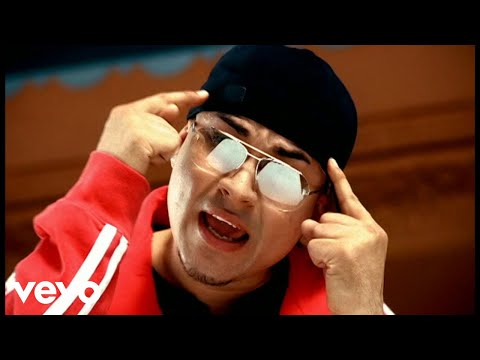

→ More from the 2000s File
View all 2000s hits →




Keep digging