The 2000s File Feature
Like We Never Loved At All
Chart History and Recording Background of "Like We Never Loved at All" "Like We Never Loved at All" is a country duet performed by Faith Hill and Tim McGraw,…
01 The Story
Chart History and Recording Background of "Like We Never Loved at All"
"Like We Never Loved at All" is a country duet performed by Faith Hill and Tim McGraw, released in 2005 as part of the promotional cycle surrounding the couple's joint touring venture and their respective recording careers. The song was included on Faith Hill's studio album Fireflies, released on September 27, 2005, through Warner Bros. Nashville. The album marked Hill's return to recording after a four-year absence following the massive commercial success of her 2002 collection Cry.
The track was written by Jeffrey Steele and Don Pfeiffer, two seasoned Nashville songwriters with extensive credits across the country genre. Steele, in particular, had built a reputation for crafting emotionally precise narratives within the country format, and his collaboration with Pfeiffer on this piece resulted in one of the more memorable duet constructions of the mid-2000s country landscape. The song was produced by Byron Gallimore and Faith Hill herself, who took an active role in the sonic direction of Fireflies. Hill's production involvement reflected her growing confidence in shaping her own artistic output beyond performance alone.
The recording sessions for the album took place in Nashville, Tennessee, with Gallimore serving as the primary architect of the instrumental arrangements. Tim McGraw's contribution to the track emerged from his close creative partnership with Hill, both personally and professionally. The couple had previously collaborated on recordings and tour packages, making their vocal interplay on this particular duet feel natural and lived-in rather than contrived. McGraw's baritone provided a grounding counterpoint to Hill's more crystalline upper register, and the blend became one of the track's defining sonic qualities.
"Like We Never Loved at All" was officially serviced to country radio in September 2005, ahead of the wider Fireflies release. The promotional strategy positioned the duet as one of the album's flagship tracks, intended to capitalize on the combined star power of both artists and their well-established presence at country format radio stations. The single debuted on the Billboard Hot 100 at number 97 on the chart dated October 8, 2005, entering at the lower tier of the chart but demonstrating immediate upward momentum driven by strong country airplay activity.
The track made steady weekly gains throughout October 2005, climbing from its entry position through the mid-chart range with notable consistency. By the week of November 5, 2005, it had risen to number 59, and it continued that ascent through the late autumn weeks. The song reached its peak position of number 45 on the Billboard Hot 100 during the chart week dated December 3, 2005, representing the culmination of a sustained climb that reflected strong radio performance rather than a spike driven by digital sales, which were still an emerging metric at the time.
On the Billboard Hot Country Songs chart, the track performed with considerably greater authority. It reached the top five on that format-specific chart, where country airplay carried the dominant weight in chart calculation. The song spent a total of 21 weeks on the Billboard Hot 100, a run that extended from early October 2005 through the spring of 2006. That duration reflected the consistent support from country radio programmers who embraced the duet as an album standout throughout the full active promotional cycle.
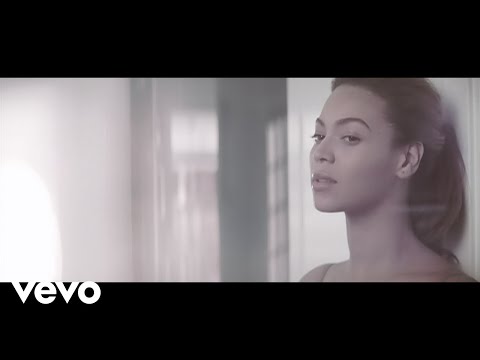
The music video for the single was directed with a straightforward performance aesthetic, placing Hill and McGraw in a setting that emphasized their vocal dynamic rather than a narrative storyline. The visual approach aligned with the restrained emotional tone of the track itself and received rotation on Country Music Television and Great American Country during the song's peak chart activity.
Critical reception for the track was generally favorable, with reviewers noting the chemistry between the two performers and the quality of the songwriting as the primary strengths. The song was frequently cited in coverage of Fireflies as one of the album's more successful departures from straightforward pop-country toward a more introspective emotional register. The Grammy Award recognition that followed was significant: the song received a nomination in the Best Country Song category at the Grammy Awards ceremony in 2007, acknowledging both the writing and the performance as exceptional contributions to the genre. The track also won the Country Music Association Award for Musical Event of the Year in 2006, a category specifically designed to honor collaborative performances of this nature.
The commercial and critical arc of "Like We Never Loved at All" positioned it as a signature moment within Faith Hill's Fireflies era and reinforced Tim McGraw's continued relevance as both a solo act and a collaborative performer during a productive period in both careers.
02 Song Meaning
Themes and Meaning in "Like We Never Loved at All"
"Like We Never Loved at All" centers on one of country music's most enduring emotional preoccupations: the aftermath of a relationship that has ended not in dramatic rupture but in a quiet and bewildering erasure. The song's central concern is the strange and painful phenomenon of encountering a former partner who behaves as though the shared history between them simply does not exist, as though the love and its attendant experiences have been wiped clean from memory and acknowledgment entirely.
The narrative is structured as a duet between two voices who are processing the same circumstance from what appears to be a shared vantage point. Both singers reflect on a former love who has moved on with an unsettling completeness, showing no trace of the emotional investment that once defined the relationship. The song's emotional power derives from the specificity of that observation: not that the former partner has moved on, which is understandable and even expected, but that they seem to have erased the entire experience from their interior life without apparent difficulty or grief.
This theme of emotional erasure resonates deeply within the country tradition, which has long explored the inequalities of heartbreak. Here, the grieving party or parties are left to carry the full weight of a shared past while the person who has moved on seems unburdened. The implication embedded in the song's premise is that love, or at least the love being described, was experienced differently by the two parties involved, a disparity that becomes visible only in retrospect and only through the absence of any acknowledgment from the one who has departed the relationship.
The title phrase operates as both a question and a lament. It asks whether it is possible to behave as if love never happened, and it mourns the fact that such behavior is apparently achievable for some people while remaining impossible for others. The duet format gives this theme additional resonance, because both Hill and McGraw are voicing a sentiment of shared bewilderment. Rather than one singer lamenting while the other provides counterpoint, both voices are united in their confusion and pain, which creates a sense of communal processing rather than individual complaint.
Culturally, the song arrived during a period when country music was engaging seriously with adult emotional complexity rather than relying solely on straightforward narrative or celebratory themes. The mid-2000s country landscape included a significant strand of introspective balladry that addressed the psychological dimensions of loss, and "Like We Never Loved at All" fits squarely within that current. Its appeal to adult contemporary country audiences was rooted in the universality of its central experience: virtually any listener who has emerged from a serious relationship can identify with the disorientation of discovering that the other person has apparently processed and discarded the experience entirely.
The production reinforces the thematic content through its restrained arrangement, allowing the emotional weight to rest primarily on the vocal performances rather than on instrumental elaboration. The measured pace of the track mirrors the slow, deliberate way in which the singers are working through their reflections, neither rushing to resolution nor collapsing into melodrama. This tonal restraint is part of what distinguishes the song within its genre, giving it a maturity that aligns with the adult experiences it describes.
→ More from the 2000s File
View all 2000s hits →



Keep digging