The 2000s File Feature
When Love Takes Over
When Love Takes Over: Creation, Recording, and Chart History "When Love Takes Over" is an electro house and dance-pop single by French DJ and producer David …
01 The Story
When Love Takes Over: Creation, Recording, and Chart History
"When Love Takes Over" is an electro house and dance-pop single by French DJ and producer David Guetta, featuring vocals by American R&B singer Kelly Rowland. Released in 2009 as a single from Guetta's fourth studio album One Love, the track became a defining commercial breakthrough for the producer and helped introduce his work to the mainstream global pop market at a scale he had not previously achieved. The song is widely recognized as one of the records that helped catalyze the broader acceptance of European electronic dance music into American pop radio during the late 2000s.
David Guetta had spent the better part of two decades building his reputation as one of France's most prominent club DJs before "When Love Takes Over" transformed him into a household name. Born Pierre David Guetta in Paris in 1967, he had made his name in the Parisian nightclub scene during the 1980s and 1990s, eventually releasing albums that found success within the European electronic music market but had not translated to significant crossover appeal. His 2004 album Pop Life and his 2007 record Fuck Me I'm Famous had built his profile considerably, but it was his collaboration with Kelly Rowland that proved to be the decisive commercial turning point in his career.
Kelly Rowland, who had risen to international fame as a member of Destiny's Child before establishing a solo career, provided the track with a vocal performance that combined emotional power with the clean, soaring quality that house music had always relied upon for its most affecting moments. Rowland's voice was ideally suited to the architecture of the track, which builds through layered synthesizer progressions toward an anthemic chorus designed for large-scale club environments and open-air festival stages alike. The production centered on a pulsing four-on-the-floor beat, cascading keyboard arpeggios, and a chord progression that drew from the emotional vocabulary of Eurodance without sacrificing contemporary edge.
The track was produced by Guetta in collaboration with Frédéric Riesterer, and the songwriting credits were shared between Guetta, Riesterer, and Rowland. It was released as a single in several European markets in May 2009 before receiving a broader international push tied to the release of One Love later that year. In the United Kingdom, the song became a significant commercial success, reaching number one on the UK Singles Chart and spending multiple weeks in the upper reaches of the chart. Its European performance was similarly strong across multiple national charts, and it rapidly became a fixture in DJ sets and radio programming throughout the continent.
In the United States, "When Love Takes Over" entered the Billboard Hot 100 on July 4, 2009, debuting at number 100 before climbing steadily over subsequent weeks. It reached positions 96, 90, and 77 before peaking at number 76 on August 1, 2009. The record spent nine weeks on the Hot 100, a reflection of the somewhat slower uptake of electronic dance music on American mainstream radio during this period. The track performed significantly better on the Hot Dance/Electronic Songs chart, where it reached higher positions and received substantial airplay from dance-format stations.
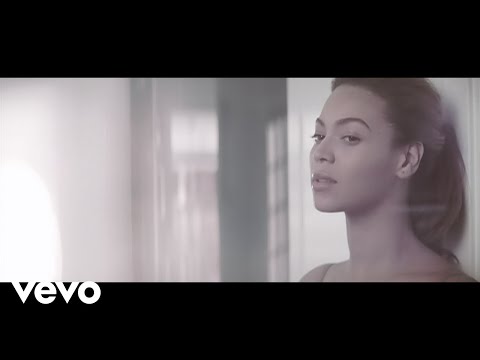
The accompanying music video featured Guetta performing in a club setting while Rowland delivered the track's vocal in a visually dramatic production that emphasized the emotional scale of the song. The video received significant rotation on MTV and music video programming throughout Europe, and its high production values were consistent with the increasingly ambitious visual presentation that Guetta brought to his releases as his commercial profile rose.
The Grammy Award for Best Dance Recording was awarded to "When Love Takes Over" in 2010, at the 52nd Grammy Awards ceremony. That recognition was a watershed moment for Guetta's American career, establishing his credibility within the U.S. music industry at precisely the moment when electronic dance music was beginning its sustained mainstream commercial ascent. The song's Grammy win is frequently cited in retrospective accounts of how EDM entered the American pop mainstream, and the track itself occupies a foundational position in that narrative. Kelly Rowland's contribution to the record also helped reframe her artistic identity, demonstrating a stylistic range beyond the R&B formats she had primarily operated within during her career. The collaboration proved mutually beneficial in ways that extended well beyond the single's initial chart performance.
02 Song Meaning
When Love Takes Over: Themes and Meaning
"When Love Takes Over" is a song about the surrendering of personal control to the overwhelming force of romantic feeling. Its central subject is the experience of falling irrevocably in love, a state in which rational judgment, self-protection, and habitual emotional defenses are swept aside by a feeling that proves impossible to contain or resist. The song treats this surrender not as weakness but as a kind of liberation, framing the loss of control as the ultimate expression of emotional openness and human connection.
Kelly Rowland's vocal performance is essential to the song's emotional communication. Her delivery moves through registers of longing, ecstasy, and vulnerability in ways that give the lyrical themes a felt, physical quality. The music itself reinforces this arc. The production begins in relative restraint before expanding into a soaring, euphoric chorus that sonically enacts the very theme the song describes. The moment the track opens up is designed to replicate the emotional experience of surrender, the breath-catching instant when a feeling becomes too large to hold back.
The song connects to a tradition within dance music of using the dancefloor as a space of emotional release and romantic possibility. House music in particular has long carried themes of connection, liberation, and transformation, rooted partly in the genre's origins in the urban club cultures of Chicago and New York during the 1980s. "When Love Takes Over" draws from that tradition even as it updates it for a contemporary pop context, translating the communal ecstasy of the club floor into a narrative of personal romantic experience.
The cultural reception of the track was shaped by its timing. In 2009, mainstream pop music was in a period of transition, with electronic production values gradually infiltrating the Top 40 format after years of being largely confined to specialist dance markets. Songs that could bridge the emotional immediacy of R&B singing with the sonic architecture of European house production were finding unprecedented mainstream success. "When Love Takes Over" exemplified this fusion, and its popularity reflected a genuine appetite for music that was simultaneously emotionally direct and sonically sophisticated.
The Grammy recognition the song received further cemented its place in the cultural conversation about where pop music was heading. By winning Best Dance Recording at a ceremony attended by the entire music industry, the track became a kind of official endorsement of the crossover between electronic music and mainstream pop. That legitimization had implications that extended well beyond the song itself, helping to accelerate a broader shift in American pop production that would define much of the 2010s. In retrospect, "When Love Takes Over" functions as both a beautiful individual record and a cultural marker, a song that captured a pivotal moment in the evolution of popular music while delivering an emotionally resonant message that has continued to connect with listeners long after its chart cycle concluded.
→ More from the 2000s File
View all 2000s hits →



Keep digging