The 2000s File Feature
Dip It Low
Dip It Low: Creation, Recording, and Chart History Christina Milian's "Dip It Low" stands as one of the most memorable R&B singles of the mid-2000s, a track …
01 The Story
Dip It Low: Creation, Recording, and Chart History
Christina Milian's "Dip It Low" stands as one of the most memorable R&B singles of the mid-2000s, a track that showcased the young singer's ability to deliver a high-energy dance record with genuine commercial appeal. The song was released in early 2004 as the lead single from Milian's second studio album, It's About Time, which came out on Def Jam Recordings later that same year. The production and timing of the release placed it squarely in the era's dominant R&B and hip-hop-influenced pop sound, and it became a defining moment in Milian's career.
The track was produced by Scott Storch, one of the most prolific and in-demand producers of the era, whose credits during the same period included major hits for artists across the R&B and hip-hop spectrum. Storch's production style favored live-sounding instrumentation layered with driving rhythmic programming, and "Dip It Low" benefited from this approach. The track's beat carried a percussive Latin-inflected groove that set it apart from the more straightforward hip-hop production dominating radio at the time. Milian's vocal delivery matched the energy of the production, blending playful confidence with a smooth melodic sensibility.
The recording sessions took place in Los Angeles, where Milian was based after a period of sustained buildup in the music industry. She had previously released her self-titled debut album in 2001 and had appeared on the remix of Ja Rule's "Between Me and You," which helped expand her audience. By 2004, Def Jam was prepared to give "Dip It Low" a full promotional push, and the label's resources proved significant in getting the single widespread radio airplay across multiple formats.
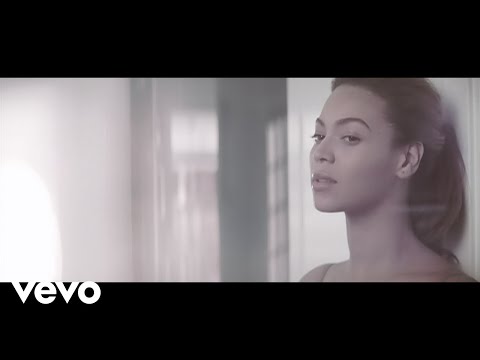
The music video directed to accompany the single became one of its most memorable aspects. Shot with a high-budget production aesthetic, it featured elaborate choreography and visual design that aligned with the song's dance-centric themes. MTV and BET rotation of the video played a critical role in driving awareness, as the visual presentation reinforced the track's appeal as a club and party anthem. The video drew substantial attention and helped cement the song in popular culture beyond its radio performance.
On the Billboard Hot 100, "Dip It Low" debuted on April 24, 2004, entering at number 87. Its rise up the chart was steady rather than explosive in the early weeks, reflecting the pattern typical of an R&B single building momentum through radio adds. By May the song had climbed through the sixties, and by August 2004 it had reached its peak position of number 5, making it a genuine top-five hit and one of the most commercially successful singles of Milian's career. The song spent 30 weeks on the Hot 100 in total, demonstrating lasting appeal that went well beyond its initial chart entry phase.
Beyond the main pop chart, the song performed strongly on the Hot R&B/Hip-Hop Songs chart, where it reached even higher. The crossover performance across multiple charts reflected the song's ability to speak to both mainstream pop audiences and core R&B listeners simultaneously, a dual success that defined the most commercially viable R&B singles of the period.
The album It's About Time, which followed the single's release, was a commercial success in its own right, debuting in the top ten of the Billboard 200. "Dip It Low" served as the album's commercial foundation, generating anticipation and familiarity before the full-length project arrived. Subsequent singles from the album, including "Whatever U Want" featuring Joe Budden, continued to maintain Milian's presence on radio through the end of 2004.
Critical reception at the time was generally positive. Music journalists noted the track's effective combination of Latin-influenced rhythm, Storch's production clarity, and Milian's confident performance. Publications covering pop and R&B highlighted the song as a standout example of the era's best dance-floor-oriented R&B, and it was frequently referenced in year-end roundups for 2004.
In the years following its release, "Dip It Low" has maintained its reputation as a signature song of the early 2000s R&B era. It appears regularly on retrospective playlists and streaming compilations focused on the decade, and it remains one of the most-recognized songs of Milian's discography. The song's commercial peak during the summer of 2004 coincided with a period of significant energy in the R&B marketplace, and it has proven durable enough to remain a reference point in discussions of that era's sound and cultural moment. Its 71 million YouTube views, accumulated over subsequent years, confirm its sustained relevance well beyond its original chart run.
02 Song Meaning
Themes and Cultural Meaning of Dip It Low
"Dip It Low" is fundamentally a dance invitation, a song structured around the celebration of physical movement and social energy in a club or party setting. Its lyrical content centers on the act of dancing and the confidence that comes with being comfortable in one's own body, presented through a female perspective that emphasizes agency and self-assurance rather than passivity. The song belongs to a tradition in R&B of tracks that transform physical movement into a form of expression and empowerment.
At its core, the song communicates a sense of uninhibited joy. The narrator addresses a romantic or social interest directly, inviting participation in the dancing and the celebratory atmosphere. There is no ambiguity or emotional complication in the song's tone; it is unambiguously celebratory, and the directness of that tone is part of what made it so effective on radio and in clubs alike. The song offers a straightforward emotional proposition: let go, move, enjoy yourself.
The song also operates within the broader tradition of female empowerment in R&B dance music. Milian's delivery is assured and commanding rather than pleading or uncertain, and the perspective of the narrator is one of confident invitation rather than need. This positioning reflects a strand of early-2000s R&B in which female artists reclaimed the dance floor as a site of power and self-expression, building on the template established by artists like Beyonce and Ciara in the same period.
Culturally, "Dip It Low" arrived at a moment when Latin rhythmic influences were being absorbed extensively into mainstream American R&B, and the song's production reflected that fusion. The percussion and groove drew on Caribbean and Latin musical traditions, placing the track within a broader cultural conversation about the blending of musical heritages in American popular music. Listeners responded to this fusion naturally, and the song became one of the defining sonic markers of the mid-2000s crossover moment.
The song's reception among younger audiences was particularly strong, and it became a staple of school dances, prom playlists, and youth-oriented media in 2004 and 2005. This generational imprint meant that the song became strongly associated with a specific cultural moment for many listeners who were teenagers at the time, contributing to the nostalgia factor that has kept it in circulation on retrospective streaming playlists. Its themes of carefree dancing and social confidence translate cleanly across generational lines, which explains its continued streaming success decades after its original release.
The directness of the song's message also made it distinctive compared to more emotionally complex R&B songs of the same period. While many contemporary hits dealt with romantic conflict, heartbreak, or complicated desire, "Dip It Low" offered a simpler and more purely celebratory energy. This tonal clarity was both a commercial strength and a cultural statement, positioning the song as a straightforward anthem of enjoyment at a time when R&B was also producing some of its most emotionally fraught material.
→ More from the 2000s File
View all 2000s hits →



Keep digging