The 2000s File Feature
Video Phone
Video Phone by Beyonce Featuring Lady Gaga: Recording, Release, and Chart History Beyonce released "Video Phone" as part of the expanded edition of her third…
01 The Story
Video Phone by Beyonce Featuring Lady Gaga: Recording, Release, and Chart History
Beyonce released "Video Phone" as part of the expanded edition of her third studio album, I Am... Sasha Fierce, in November 2009. The original standard edition of the album had been released on November 18, 2008, accompanied by one of the most ambitious promotional campaigns in contemporary pop music, with Beyonce releasing two conceptually distinct discs simultaneously: the first presenting slower, more emotionally direct ballads under her given name, and the second presenting uptempo, high-energy material attributed to her alter ego Sasha Fierce. "Video Phone" came from the Sasha Fierce side of that conceptual divide and represented the album's boldest statement of Beyonce's futuristic, technologically engaged aesthetic.
The song was written by Beyonce Knowles, Shea Taylor, and Lady Gaga, who also contributed to the extended remix version of the track. The original production of "Video Phone" was handled by Shea Taylor, while the remix that became the most commercially prominent version incorporated Lady Gaga as a featured artist, adding her voice and her then-recently established public persona as a technologically obsessed pop provocateur to the track's conceptual framework. The collaboration made conceptual sense: Lady Gaga had released The Fame in 2008 and was in the process of establishing herself as one of the most distinctive voices in pop music, and her preoccupation with celebrity, technology, and surveillance culture aligned directly with the themes of "Video Phone."
The production of "Video Phone" was built around stark, aggressive electronic elements including a prominent bass line and a deliberately mechanical rhythmic structure. Shea Taylor's production approach created a sound that was both club-ready and conceptually provocative, stripping away the warmer production textures that characterized some of the album's ballad material and replacing them with something colder and more confrontational. The arrangement gave Beyonce and, in the remix version, Lady Gaga, maximum room to project both vocally and in terms of their public personas.
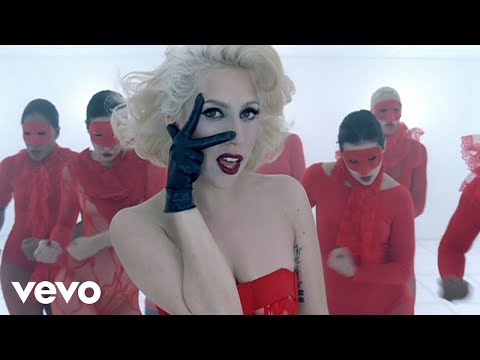
"Video Phone" with the Lady Gaga remix was released as a single on November 23, 2009, and was accompanied by a music video directed by Hype Williams and Jake Nava. The video became one of the most discussed visual productions of that year, featuring both artists in an array of striking costumes and settings that incorporated references to cinema, surveillance, and visual culture. The visual imagery was dense with references to classic Hollywood, avant-garde fashion, and military aesthetics, cementing both artists' reputations for culturally ambitious visual work that operated as art objects in their own right.
The song debuted on the Billboard Hot 100 on the chart dated December 12, 2009, entering at its peak position of number 65. It spent three weeks on the Hot 100, with a trajectory that showed rapid entry and exit rather than a sustained chart climb. This pattern was consistent with a release that generated significant cultural attention and airplay without achieving the kind of sustained commercial traction that characterized Beyonce's chart-topping singles. The relatively brief Hot 100 residency did not diminish the song's cultural footprint, which was considerable.
On digital download charts and rhythm-based radio formats, the song performed more consistently than its Hot 100 peak suggested. The collaboration between Beyonce and Lady Gaga was one of the most anticipated pop culture events of late 2009, given that both artists were among the most commercially dominant and culturally discussed figures in contemporary pop music at that moment. The pairing was widely seen as a meeting of two of the most powerful women in the industry, and its commercial performance, while not matching expectations in some respects, was interpreted against the backdrop of the broader cultural significance of their collaboration.
The expanded edition of I Am... Sasha Fierce that contained "Video Phone" debuted on the Billboard 200 upon its release. The album as a whole went on to become one of the best-selling records of the era, certified numerous times platinum in the United States and internationally, and producing multiple major hits. "Video Phone" occupied a distinct niche within that commercial campaign, serving as one of the album's most avant-garde entries and one of its most visually ambitious singles. The song has since accumulated more than 508 million YouTube views, reflecting its enduring status as a significant document of both artists' creative peak periods.
02 Song Meaning
The Meaning of Video Phone: Technology, Desire, and the Mediated Gaze
"Video Phone" engages with the relationship between technology, desire, and the ways in which digital communication tools reshape how intimacy is performed and experienced. Written and recorded at a moment when smartphones were rapidly becoming ubiquitous and video communication was transitioning from novelty to norm, the song treats the video phone not simply as a device but as a new kind of mediating presence in romantic and erotic interaction. The central question the song poses is how desire functions when it is transmitted through and filtered by a screen.
The song's perspective is one of confident assertion rather than vulnerability. The narrator does not ask to be observed through the video phone; she commands it, directing the viewer's attention and determining the terms on which she is seen. This orientation toward the controlling of one's own image was consistent with both Beyonce's broader artistic preoccupations during the I Am... Sasha Fierce period and Lady Gaga's emerging public persona, both of which were deeply concerned with the question of who controls the gaze in contemporary pop culture and visual media.
There is a playful but pointed quality to the song's treatment of surveillance and spectatorship. By framing romantic attention through the metaphor of a camera or video device, the song acknowledges that in the early twenty-first century, visual self-presentation has become inseparable from identity, desire, and attraction. The video phone is not merely a communication tool but a stage, and the narrator positions herself as both the performer and the director of the scene being transmitted. This dual role reflects a broader cultural shift toward self-conscious self-presentation that was accelerating rapidly at the time of the song's release.
The inclusion of Lady Gaga in the remix version added another layer of meaning. Gaga's own artistic preoccupations at this stage of her career were explicitly organized around ideas of celebrity as performance, technology as spectacle, and the blurring of authentic selfhood with constructed persona. Her presence in "Video Phone" reinforced the song's conceptual argument about the relationship between technology and identity, bringing a collaborator whose entire artistic project was oriented around the same questions the song was exploring. The dialogue between the two personas within the track extended the song's thematic reach.
Feminist readings of "Video Phone" have noted that the song can be interpreted as a reclamation of visual agency: rather than being passively observed by a technological apparatus that transmits her image to an audience she does not control, the narrator actively wields the technology as a tool for projecting desire on her own terms. This reading positions the song within a broader tradition of assertive female pop that uses the form and language of sexual objectification while subverting its usual power dynamics by locating agency firmly with the woman being depicted.
The music video reinforced these textual readings with a visual grammar drawn from cinema, fashion photography, and military imagery. The stylized, highly constructed nature of the visual presentation made explicit what the song argued implicitly: that every presentation of the self through a lens is a form of deliberate construction, and that acknowledging this fact can be a source of power rather than a mark of inauthenticity. Both Beyonce and Lady Gaga inhabited the video with a knowing control over their own images that underscored the song's argument about self-directed visual agency.
The song occupies a distinctive place in both artists' catalogs as a document of how pop music was beginning to theorize its own relationship to digital technology and social media in the late 2000s. The concerns it articulates about mediated desire, self-presentation, and the camera's gaze became even more culturally central in subsequent years as platforms like Instagram and Snapchat made video self-broadcasting a part of everyday life. Heard from a vantage point more than fifteen years after its release, "Video Phone" reads as an early and prescient engagement with questions that have since become defining features of contemporary culture.
→ More from the 2000s File
View all 2000s hits →

Keep digging