The 2000s File Feature
Diva
The Recording and Chart History of "Diva" by Beyonce "Diva" is an RB and hip-hop track by Beyonce, released as the third single from her third studio album I…
01 The Story
The Recording and Chart History of "Diva" by Beyonce
"Diva" is an R&B and hip-hop track by Beyonce, released as the third single from her third studio album I Am... Sasha Fierce in late 2008. The song was written by Beyonce Knowles and produced by Shondrae Crawford, who recorded under the production alias Bangladesh. Bangladesh was a rising force in urban music production at the time, having developed a signature sound characterized by minimalist, hard-hitting instrumental arrangements built on sparse drum programming and bold bass. His subsequent work with Lil Wayne, including the instrumental foundation for "A Milli," would cement his reputation as one of the most distinctive hip-hop producers of the late 2000s.
The production of I Am... Sasha Fierce was conceived as a dual-concept project in which one disc represented Beyonce's softer, more ballad-oriented artistic side and the other represented her harder, more aggressive performance persona known as Sasha Fierce. "Diva" appeared on the Sasha Fierce disc, the harder half of the album, alongside the already-released number-one hit "Single Ladies (Put a Ring on It)." The decision to position "Diva" on the same disc as "Single Ladies" established a clear artistic statement about the range and intent of the Sasha Fierce persona.
The track's instrumental is built on Bangladesh's characteristically sparse production approach, with a heavy bass figure driving the arrangement and minimal additional instrumentation competing for space. Beyonce's vocal performance adjusts to this environment by adopting a more clipped, rhythmically aggressive delivery than she employed on the album's ballad-oriented disc, leaning into the production's hip-hop sensibility rather than working against it. The production style drew immediate comparisons to Bangladesh's other work from the same period, and the sonic relationship between "Diva" and contemporary hip-hop releases was widely noted by critics and listeners.
"Diva" debuted on the Billboard Hot 100 at position 96 during the chart dated January 3, 2009, and proceeded to climb steadily over the following weeks. The song reached its peak position of number 19 during the chart dated March 7, 2009, spending a total of 20 weeks on the Hot 100. On the Hot R&B/Hip-Hop Songs chart, the track performed considerably stronger, reaching the top ten and spending an extended period among the most-played songs in urban radio formats. BET airplay and urban radio were significant drivers of the song's commercial performance.
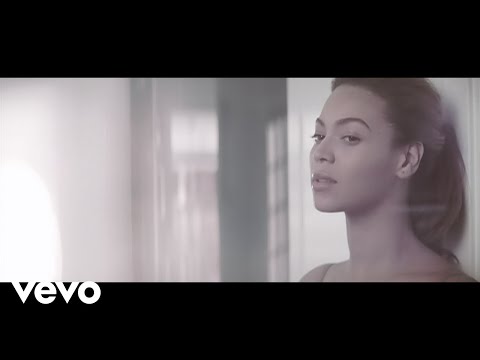
The music video for "Diva" was directed by Hype Williams, one of the most celebrated directors in hip-hop and R&B video history, whose visual aesthetic had shaped the genre's image language throughout the 1990s and 2000s. The video featured stark, high-contrast visual imagery including scenes of automotive destruction that became iconic within Beyonce's visual catalog and were subsequently referenced and analyzed extensively in discussions of her artistic persona. The video's imagery reinforced the song's themes of confidence, power, and female dominance.
Columbia Records managed the single campaign, and "Diva" was among the more commercially successful of the album's later singles, following the enormous success of "Single Ladies" and "If I Were a Boy." The song received Grammy nomination consideration as part of the broader recognition of I Am... Sasha Fierce, which won the Grammy for Album of the Year at the 2010 Grammy Awards, among several other nominations and wins. The album's commercial and critical success elevated the stature of all its component tracks, including "Diva."
The Grammy recognition extended to I Am... Sasha Fierce as a complete work elevated the stature of each of its component recordings. "Diva" benefited from the extraordinary visibility generated by Beyonce's historic six Grammy wins at the 2010 ceremony, which also made her the female artist with the most Grammy wins in a single night at that time. The cultural conversation generated by that recognition drove renewed attention to the album's full track listing, including "Diva," and contributed to sustained streaming and download activity in the weeks following the ceremony.
The track subsequently accumulated over 282 million YouTube views, reflecting sustained audience interest across more than fifteen years. "Diva" remains one of the most discussed tracks from the I Am... Sasha Fierce era in fan communities and critical retrospectives examining Beyonce's artistic development and the broader cultural impact of the album's dual-concept structure. The song is regularly revisited in scholarly analyses of the Sasha Fierce persona and in broader discussions of how female artists have navigated questions of image, identity, and power in mainstream pop music.
02 Song Meaning
Themes and Meaning of "Diva" by Beyonce
"Diva" is a declaration of feminine excellence and competitive supremacy, presenting an argument for the equivalence of a female performer who commands her field with the same authority as a male counterpart. The song's central proposition, delivered with deliberate confidence, is that the term "diva" deserves to be understood not as a pejorative describing excessive demands but as a genuine marker of exceptional achievement, parallel in status and gravity to the street-credibility term it is explicitly compared against in the lyrical content.
This act of linguistic reclamation is central to the song's cultural significance. By drawing a direct parallel between two terms from different cultural contexts, one from the performance world and one from hip-hop street culture, Beyonce's narrator asserts that extraordinary achievement in the entertainment industry occupies the same plane of respect as extraordinary status in street hierarchies. The comparison is meant to be provocative and equalizing simultaneously, arguing that both forms of excellence deserve recognition without hierarchy.
The Sasha Fierce persona through which "Diva" is delivered represents an important dimension of the song's meaning. Beyonce has spoken extensively about Sasha Fierce as an alter ego she inhabited on stage and on record, a more aggressive, self-assured, and fearless version of herself that could express things the artist found difficult to articulate as her private self. "Diva" is perhaps the most explicit expression of the Sasha Fierce ethos, presenting an almost superhuman level of confidence and dominance that is positioned as a performance identity rather than a personal claim.
The song engages with themes of ambition and hustle in ways that resonate across gender and genre lines. The narrator describes an unrelenting commitment to excellence, a willingness to outwork competitors, and an expectation of commensurate reward and recognition. These themes connect the song to a broader discourse about the work ethic required to achieve and maintain success in the entertainment industry, framing that work as worthy of the same admiration granted to any dominant force in any field.
Critically, "Diva" was recognized as one of the more artistically adventurous tracks on I Am... Sasha Fierce, particularly in its willingness to engage with hip-hop production aesthetics and lyrical tropes in a way that felt authentic rather than appropriative. The song's reception contributed to wider discussions about the relationship between R&B and hip-hop as genres and about the creative possibilities available to female artists willing to operate at the intersection of those traditions.
The music video's imagery of automotive destruction and fierce visual presentation extended the song's thematic content into the visual realm, reinforcing the idea of a performer who destroys obstacles rather than navigating around them. This iconographic vocabulary became part of Beyonce's broader artistic identity and is regularly discussed in scholarly and critical assessments of her visual and musical output as a coherent artistic system rather than a collection of disconnected singles.
→ More from the 2000s File
View all 2000s hits →



Keep digging