The 2000s File Feature
Funkytown
Funkytown — Alvin and the Chipmunks: Chart History and Commercial Journey Note: This entry concerns the novelty cover version of "Funkytown" recorded by Alvi…
01 The Story
Funkytown — Alvin and the Chipmunks: Chart History and Commercial Journey
Note: This entry concerns the novelty cover version of "Funkytown" recorded by Alvin and the Chipmunks, associated with the 2007-2009 era of the CGI-animated film franchise. The original "Funkytown" was recorded by Lipps Inc. and released in 1980, reaching number one on the Billboard Hot 100 and becoming one of the defining disco-era hits.
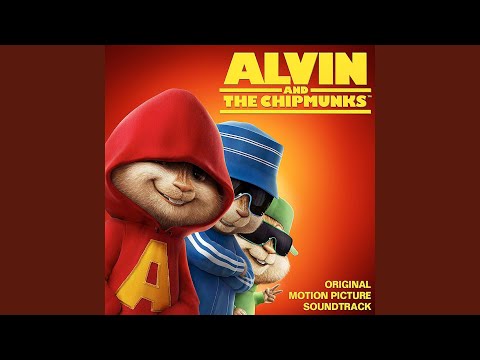
The Chipmunks' version of "Funkytown" arrived during one of the most commercially successful revivals of the Alvin and the Chipmunks franchise in its history. The CGI feature film released in 2007 by 20th Century Fox in partnership with Bagdasarian Productions became a surprise box office sensation, grossing over 350 million dollars worldwide against a modest production budget. The film's success sparked renewed interest in the Chipmunks brand among a new generation of young audiences, and the accompanying music program, which included both original songs and novelty covers of recognizable pop hits performed in the Chipmunks' signature accelerated vocal style, became a significant commercial enterprise in its own right.
The appeal of the Chipmunks' vocal treatment, in which recordings are pitch-shifted to create the distinctive high-pitched chipmunk sound originally developed by Ross Bagdasarian Sr. in the late 1950s, derives from the combination of immediate recognizability and comic incongruity. When a well-known song is subjected to this treatment, the gap between the original's emotional register and the Chipmunks' squeaky delivery creates a humor that functions across age groups: children find the voices inherently funny, while adults appreciate the incongruity of familiar material transformed into something absurd.
"Funkytown" was a particularly inspired choice for this treatment because the original Lipps Inc. recording already has a somewhat self-conscious relationship to the disco era it both celebrated and, in some readings, gently satirized. The song's repetitive hook and its fantasy of escape to an idealized city made it more durable than many of its disco contemporaries, and its continued presence in popular culture through television commercials, film soundtracks, and nostalgic retrospectives meant that younger audiences often had some familiarity with the original even decades after its initial release.
The Chipmunks' soundtrack album from the 2007 film performed strongly on the Billboard 200 and on children's and family music charts. The franchise's music catalog, released through Sony Music and its subsidiary labels under various licensing arrangements, benefited from the promotional power of the film's theatrical marketing campaign and its subsequent home video release, which extended the music's commercial window considerably beyond the typical theatrical run.
The "Funkytown" cover, like the other tracks on the Chipmunks' film-era recordings, was designed to function both as entertainment within the film's narrative context and as a standalone listening product. The selection of "Funkytown" reflected a curatorial approach that favored songs with strong hook recognition and cultural familiarity, qualities that allowed the Chipmunks' treatment to operate effectively as a comic transformation rather than simply a degraded version of an unknown original.
Home video sales and digital downloads of the soundtrack contributed to the track's commercial performance, as parents who had taken children to see the film became the primary purchasers of the accompanying music. This demographic reality shaped the marketing approach considerably, with the music presented simultaneously as entertainment for children and as a nostalgic trigger for adult parents who remembered the Chipmunks from their own childhoods in the 1980s and who also knew "Funkytown" from its original disco-era release.
The revival of the Chipmunks franchise in the late 2000s included sequels that maintained the music-centered format of the first film, extending the commercial life of the music program across several years. The franchise's approach to song selection evolved across these sequels, but the first film's soundtrack, including "Funkytown," established the template that subsequent entries followed. The film franchise collectively grossed over one billion dollars in theatrical revenue across its first three installments, providing a sustained commercial context for the associated music that few children's entertainment properties could match during the same period.
Within the novelty music category, the Chipmunks franchise occupies a unique position: it is one of very few novelty acts with a continuous commercial presence spanning more than six decades, from Ross Bagdasarian Sr.'s original 1958 recordings through the CGI film era of the late 2000s and beyond. The "Funkytown" cover represents one moment in that extraordinarily long commercial history, distinguished by the particular cultural context of the franchise's CGI reinvention and the specific nostalgia economy that surrounded the 2007 film's release.
02 Song Meaning
Funkytown — Alvin and the Chipmunks: Meaning, Themes, and Cultural Significance
The Chipmunks' cover of "Funkytown" draws its meaning from two separate but intertwined sources: the thematic content of the original Lipps Inc. song, and the specific cultural context created by the Chipmunks' treatment. Understanding what the cover means requires holding both layers simultaneously, recognizing that a novelty version of a song does not simply discard the original's content but rather creates a comic dialogue with it.
The original "Funkytown," written by Steven Greenberg and recorded by Lipps Inc. in 1980, centers on the fantasy of escaping to a better, more vibrant, more alive place. The song's speaker wants to be taken somewhere with energy and life, a city of the imagination where everything moves with the kind of irresistible groove that the track itself demonstrates. The concept of "Funkytown" is utopian in the most literal sense: it is a no-place, a good-place, a projection of desire rather than a geographic reality. The song's appeal has always come from its ability to make listeners feel, through the sheer kinetic energy of the production and the infectiousness of the hook, that they are already in Funkytown simply by listening.
When the Chipmunks perform this material, the fantasy is transformed by the incongruity of the voices. The dream of escaping to an energized, grown-up pleasure space is voiced by characters who are small, squeaky, and juvenile. This incongruity is the source of the humor, but it also creates an interesting secondary meaning. Children watching the Chipmunks navigate a world built for adults are watching something that mirrors their own experience of inhabiting spaces and cultural contexts that were not designed for them. The appeal of the Chipmunks has always partly resided in this dynamic of small, young, energetic figures making themselves at home in adult situations.
The novelty cover format has a long history in popular music, serving social functions that extend beyond simple parody. Novelty versions of well-known songs allow listeners to engage with familiar material from a new angle, rediscovering what makes the original work by hearing it made strange. The Chipmunks' version of "Funkytown" strips away the adult associations of disco-era nightlife and club culture that cling to the original, revealing the song's most essential quality: its irresistible groove, which functions as well in a children's entertainment context as in any other because good groove transcends demographic targeting.
For the young audiences of the 2007 film era, the Chipmunks' "Funkytown" was likely their first encounter with the song. For adult parents in the audience, it was a nostalgic reunion with a song that had been part of their own formative cultural experiences. This dual address, the ability to mean something genuinely to both age groups simultaneously, is one of the defining strengths of the Chipmunks franchise as a cultural product. The franchise's longevity across more than six decades of American popular culture rests partly on this capacity for intergenerational communication.
The selection of "Funkytown" for the Chipmunks' treatment also says something about the song's own durability as a cultural artifact. Songs that remain recognizable and emotionally alive across decades do so because something in their construction transcends the specific cultural moment of their creation. "Funkytown" was a product of the disco era, but its core fantasy of escape to somewhere more alive is not historically bounded; it is a permanent feature of human desire that finds expression in every generation. The Chipmunks' cover, by presenting that fantasy through a completely different sonic lens, inadvertently demonstrated just how durable the song's essential appeal had proven to be.
→ More from Alvin And The Chipmunks
View all Alvin And The Chipmunks hits →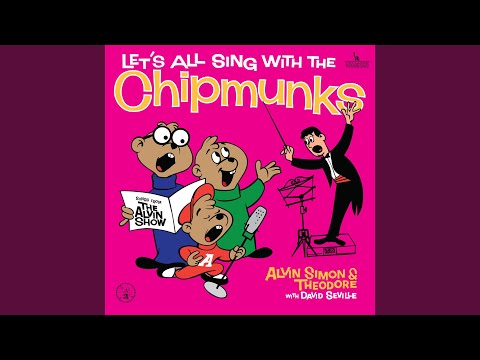
→ More from the 2000s File
View all 2000s hits →

Keep digging