The 1990s File Feature
I'm Not In Love
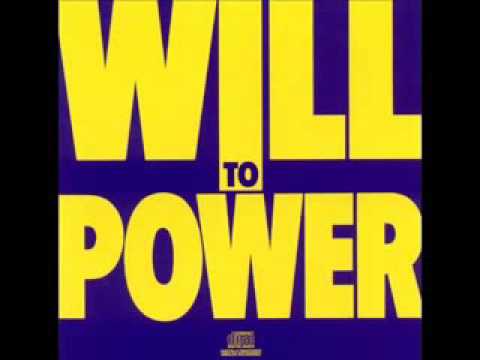
I'm Not In Love by Will To Power Picture the turn of the decade, late 1990 sliding into 1991, when freestyle and dance-pop were giving way to new sounds and …
01 The Story
"I'm Not In Love" by Will To Power
Picture the turn of the decade, late 1990 sliding into 1991, when freestyle and dance-pop were giving way to new sounds and the art of the cover version was thriving on the charts. Will To Power had already made a name for themselves with a clever approach to reinterpreting beloved songs, blending lush production with familiar melodies that listeners instantly recognized. The Florida-based project, led by producer and musician Bob Rosenberg, specialized in turning classics into contemporary hits. With this single they took on one of the most beautiful and haunting ballads in pop history and made it their own for a new generation. Covering a song so widely revered carries real risk, since listeners who love the original tend to guard it fiercely and resist any reinterpretation. Will To Power had built their entire approach on navigating exactly that challenge, finding ways to honor cherished material while giving it a contemporary sheen that brought it to fresh ears.
Masters Of The Modern Cover
Will To Power had broken through spectacularly with a medley that reimagined two classic rock ballads and carried it all the way to the top of the American chart. That success established them as skilled curators of nostalgia, artists who understood how to repackage cherished songs in glossy, modern arrangements. "I'm Not In Love" was originally a masterpiece by the British band 10cc, famous for its innovative, dreamlike production and aching emotional core. Taking on such a revered song was an ambitious move, a challenge to honor the original while bringing something contemporary to it.
Reimagining A Haunting Classic
The original version of the song was renowned for its lush, layered vocal textures and its complex emotional message. Will To Power's interpretation brought the ballad into the production world of the early 1990s, with smooth, contemporary arrangements designed for the radio of the moment. The challenge of any cover is to respect what made the original special while justifying a new version, and Will To Power leaned on the song's timeless melody and emotional ambiguity. Their take introduced the song to listeners who may never have heard the original, keeping a remarkable piece of songwriting alive and circulating in a new era.
A Strong Run Up The Hot 100
The single debuted on the Billboard Hot 100 dated November 17, 1990, entering at number 61. It climbed steadily and impressively over the following weeks, gaining ground as audiences embraced the familiar melody in its new form. The song reached its peak of number 7 on February 2, 1991, landing firmly in the top ten, and enjoyed a substantial 18 weeks on the Hot 100. That successful run confirmed Will To Power's gift for turning beloved material into fresh hits, and it demonstrated the enduring power of the underlying song to move listeners across generations.
A Bridge Between Eras
Will To Power's career was built on this very talent, connecting the musical past with the present and introducing classic songs to new audiences. Their version of this ballad reached the top ten, a remarkable achievement for a cover of such a distinctive original. For listeners of the early 1990s, it was a contemporary hit, while for older fans it was a reminder of a cherished classic. The recording stands as a testament to a great song's ability to endure and to the art of the thoughtful cover. There is genuine skill in taking a beloved composition and finding new life in it without diminishing what made the original special. The best covers function as a kind of conversation across time, linking one era's sensibility to another and keeping great songs in circulation for audiences who might otherwise never encounter them. The melody still casts its spell, every bit as haunting in its later form as in its first.
Press play and let this dreamy reinvention of a timeless ballad wash over you.
"I'm Not In Love" — Will To Power's singular moment on the 1990s charts.
02 Song Meaning
The Meaning Behind "I'm Not In Love"
This is one of the most psychologically complex love songs in pop history, and its meaning hinges on a beautiful contradiction. The narrator insists, repeatedly, that he is not in love, even as every word betrays the opposite truth. The title is a denial that no one believes, least of all the person saying it. It is a study in emotional defensiveness, the way people protect themselves by refusing to admit how deeply they feel. Few pop songs have captured the psychology of self-deception so precisely, and that subtlety is a large part of why the song has endured for so long.
The Lie We Tell Ourselves
The lyrics work through a series of protests and excuses, the narrator downplaying his feelings at every turn. The emotional core is denial masking overwhelming love, the transparent attempt to seem detached while clearly being anything but. Everyone recognizes this defensive posture, the fear of vulnerability that leads people to deny what they most feel. The song captures that self-protective instinct with painful precision.
Vulnerability In Disguise
The genius of the song lies in what it leaves unsaid. The denials reveal exactly the love they claim to refute, exposing a heart desperate not to be hurt. By insisting he feels nothing, the narrator only confirms how much he feels. That irony gives the song its haunting depth, a portrait of someone too afraid to be honest even with himself. It is love expressed through its own denial, a confession smuggled inside a series of protests that fool no one, least of all the heart making them.
An Emotion Without An Era
The fear of admitting love is universal and timeless, which is why the song has endured through multiple generations and interpretations. Its theme of guarded vulnerability speaks to anyone who has ever been afraid to say how they truly feel. When Will To Power revived it for the 1990s, that emotional truth remained fully intact, proving that the song's psychological insight transcended any particular moment or production style.
Why It Still Haunts Listeners
The song endures because its central insight is so achingly human. We have all denied feelings we could not face. Its lasting power lies in that honest portrait of self-deception, the recognition that the heart often hides behind its own protests. Wrapped in dreamlike production, it remains a beautiful meditation on the fear of love, as moving in its later forms as in its original. The genius of the lyric is that it never has to state the truth outright. The listener understands everything precisely because the narrator keeps insisting on the opposite, a quiet masterclass in how much can be said by saying the wrong thing.
→ More from Will To Power
View all Will To Power hits →


→ More from the 1990s File
View all 1990s hits →



Keep digging