The 1980s File Feature
Fading Away
Fading Away: Will to Power and the Freestyle Tradition in Late-1980s Pop Will to Power was a Miami-based music project built around producer Bob Rosenberg th…
01 The Story
Fading Away: Will to Power and the Freestyle Tradition in Late-1980s Pop
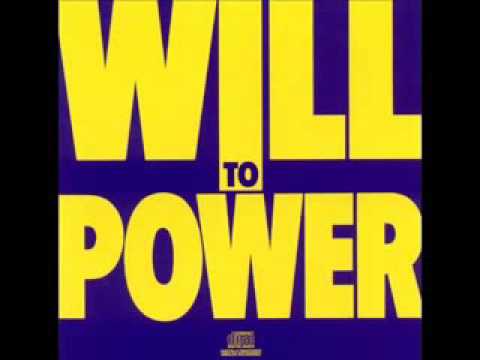
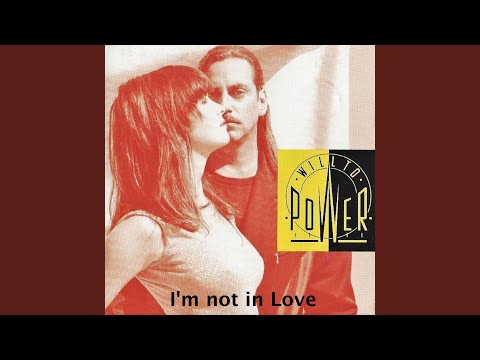
Will to Power was a Miami-based music project built around producer Bob Rosenberg that had already demonstrated remarkable commercial instincts before "Fading Away" was released. The group had scored a remarkable number-one hit with their medley of Peter Frampton's "Baby, I Love Your Way" and Lynyrd Skynyrd's "Free Bird" in 1988 on Epic Records, a combination that seemed improbable on paper but worked brilliantly in practice, reaching the top of the Billboard Hot 100 and demonstrating a knack for hearing potential in unexpected combinations of material. "Baby, I Love Your Way/Freebird Medley" had become one of the more distinctive chart-toppers of the late 1980s, and it set expectations for the project's follow-up work that were both commercially beneficial and artistically challenging to meet.
"Fading Away," released in 1989 on Epic Records, represented a somewhat different side of the Will to Power sound, though it retained the project's commitment to melodic accessibility and polished production. The track was rooted in freestyle, the Miami-originated dance music form that had developed in the mid-1980s and had found substantial commercial success on both the dance charts and the pop mainstream. Freestyle combined synthesizer-driven production with Latin rhythmic influences and melodically direct, emotionally expressive vocals, creating a sound that was particularly strong in Hispanic communities in Florida, New York, and other urban centers but had crossover appeal that extended well beyond that core demographic.
Bob Rosenberg had a genuine feel for the Miami freestyle scene, having operated in the city's music environment during the period when the genre was developing. The productions he made under the Will to Power banner blended freestyle production aesthetics with the melodic sensibility of soft rock and adult contemporary pop, a combination that fit naturally within Epic Records' commercial aspirations for the project. "Fading Away" used synthesizer textures and rhythmic programming that clearly drew on freestyle conventions while also incorporating melodic and harmonic elements that expanded the track's potential radio appeal beyond the dance market.
The single performed on both the Billboard Hot 100 and the dance charts, demonstrating the crossover reach that distinguished Will to Power's approach from more genre-specific freestyle acts. The project had achieved a rare number-one pop hit with the medley, and that commercial achievement gave subsequent releases a degree of radio receptivity that might not have been available to a project without that track record. Radio programmers who had watched "Baby, I Love Your Way/Freebird Medley" climb to number one were willing to give Will to Power's follow-up material genuine consideration.
The vocals on "Fading Away" were a central element of the track's appeal. Will to Power's recordings featured strong melodic singing that sat within the tradition of freestyle vocal performance, which emphasized emotional expressiveness and melodic clarity over technical complexity. The vocal performances complemented the synthesizer-driven production by providing a human warmth and emotional directness that kept the track from feeling cold or purely mechanical, a balance that distinguished the best freestyle productions from less successful examples of the genre.
The late 1980s represented both the commercial peak and the beginning of the commercial decline for freestyle as a chart genre. The rise of New Jack Swing and subsequent developments in R&B and hip-hop production would gradually shift radio and chart attention away from the freestyle sound during the early 1990s, but in 1989 the genre retained significant commercial viability and chart presence. "Fading Away" appeared at a moment when freestyle was still reaching mainstream audiences through acts like Expose, Lisa Lisa and Cult Jam, and Cover Girls, and Will to Power's track was part of that final period of genuine mainstream engagement with the style.
Epic Records provided substantial promotional support for the release, which was part of the label's ongoing investment in the Will to Power project following the success of the number-one medley. The promotional infrastructure available to a major-label act gave "Fading Away" exposure on radio formats and in retail environments that independent freestyle releases, which often operated through smaller distribution networks, could not always access. That infrastructure contributed to the single's chart performance and ensured it reached audiences that might not have been regular consumers of dance-oriented pop.
The track stands in Will to Power's catalog as evidence of the project's range and of the specific flavor that made its best recordings distinctive within the late-1980s pop landscape. The combination of freestyle production, melodic accessibility, and polished major-label presentation gave "Fading Away" a sound that was of its moment without being limited to it, and it has retained its appeal for listeners who discover it through retrospective engagement with the freestyle era.
02 Song Meaning
Loss, Transition, and the Dance Floor: The Meaning of "Fading Away"
"Fading Away" addresses a subject that is pervasive in popular music but takes on particular resonance in the freestyle context: the gradual diminishment of something that once had presence and intensity. Whether the subject is a romantic relationship, a period of life, or simply a feeling that has begun to diminish, the "fading away" of the title suggests a process that is neither abrupt nor chosen but gradual and somewhat outside the narrator's control. That quality of things receding despite one's preference or efforts is an experience with broad human recognition, which explains partly why such a subject translates across different musical frameworks and demographic contexts.
In the freestyle tradition specifically, emotional themes of loss and romantic longing were central to the genre's identity. Freestyle's vocal and lyrical conventions consistently returned to experiences of love, heartbreak, and the intensity of romantic feeling, addressed with a directness and emotional earnestness that was characteristic of the genre's aesthetic. Unlike some contemporary electronic music that prioritized abstraction or detachment, freestyle wore its emotional content openly, and "Fading Away" participates in that tradition by treating its subject with genuine feeling rather than ironic distance.
The musical production reinforces the thematic content in ways that were typical of the best freestyle recordings. The synthesizer textures and rhythmic programming create an environment that combines energy with a certain melancholic undertone, the dance floor context providing physical momentum while the melodic and harmonic content carries the emotional weight of what is being described. This tension between rhythmic energy and emotional sadness is one of freestyle's most characteristic qualities, and "Fading Away" uses it effectively to create a listening experience that is simultaneously pleasurable and emotionally resonant.
For Will to Power as a project, the song's subject matter also carried a degree of self-reflexive potential. A project that had achieved its defining success with a medley of beloved older songs and was now navigating the challenge of sustaining that success was not entirely unlike a narrator contemplating something fading away. Whether that parallel was intentional or accidental, the song's emotional content had a relevance to the project's specific commercial situation that gave it additional texture for audiences aware of the context.
The freestyle scene that produced Will to Power's commercial environment was itself, by 1989, beginning to show signs of the commercial contraction that would eventually reduce its mainstream presence. The genre had reached its peak of pop chart visibility in the mid-to-late 1980s, and the emerging sonic landscape of the early 1990s would shift commercial attention toward other styles. "Fading Away" thus participates, whether intentionally or not, in the experience of something genuinely fading: the moment of a music scene that was at or past its commercial peak, whose most vibrant years were in the recent past.
That retrospective dimension does not diminish the record's effectiveness as a piece of pop music; if anything it enriches the listening experience for those who encounter it in the context of a broader engagement with late-1980s dance and freestyle. The song means what it says about transience and gradual loss, and it also documents its own historical moment in ways that became clearer only in retrospect. The best popular music often works on both these levels simultaneously, functioning as immediate emotional communication and as inadvertent social document, and "Fading Away" is a modest but genuine example of that dual function.
→ More from Will To Power
View all Will To Power hits →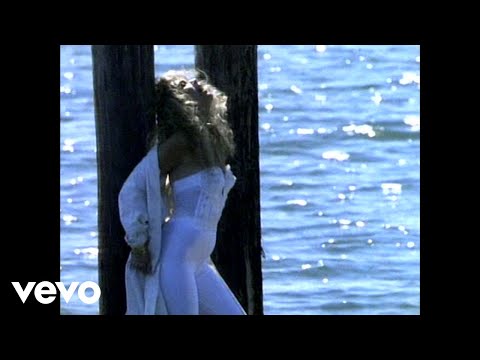

→ More from the 1980s File
View all 1980s hits →
Keep digging