The 1990s File Feature
4, 3, 2, 1
The All-Star Showcase 4, 3, 2, 1 by LL Cool J At the close of 1997, hip-hop was thriving on the energy of the posse cut, the all-star track where multiple ra…
01 The Story
The All-Star Showcase "4, 3, 2, 1" by LL Cool J
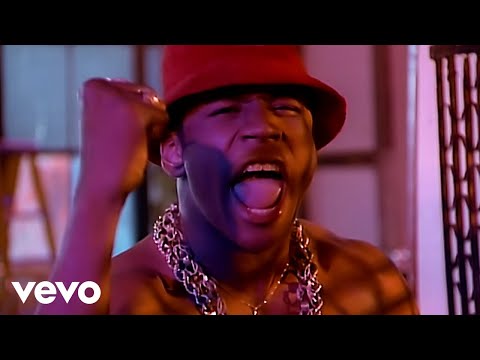
At the close of 1997, hip-hop was thriving on the energy of the posse cut, the all-star track where multiple rappers traded verses to thrilling effect. LL Cool J, a veteran at the height of his influence, assembled an extraordinary lineup for "4, 3, 2, 1," a hard-hitting showcase that brought together established stars and hungry newcomers. It became a memorable document of late-1990s hip-hop talent.
A Veteran Convening Talent
LL Cool J had been a defining figure in hip-hop for well over a decade, and by 1997 he held the stature to convene an impressive gathering of talent. He used that position to create a true all-star posse cut. "4, 3, 2, 1" appeared on his album Phenomenon, and it featured Method Man, Redman, DMX, Canibus, and Master P, a remarkable lineup that combined established names with rising stars hungry to make their mark. The track became notable both for its talent and for the competitive energy among its participants.
A Hard, Competitive Sound
The track is built around a hard, gritty production suited to its competitive spirit. Its beat is tough and minimalist, providing a stark backdrop for the rappers to trade verses and showcase their skills. Each performer brings a distinct style, from established stars to hungry newcomers eager to prove themselves, creating a sense of friendly, and at times not-so-friendly, competition. That combination of a hard beat and a parade of talented voices gave the song its energy, the kind of skill showcase that hip-hop fans relished.
A Modest Chart Showing
On the Billboard Hot 100, the single's run reflected its nature as a hard hip-hop posse cut. "4, 3, 2, 1" debuted at number 75 on December 27, 1997, which stood as its peak position. The song spent 12 weeks on the Hot 100, a respectable run that reflected its appeal among hip-hop fans even as its hard, uncompromising sound kept it from crossing fully into pop territory. Its significance lay more in its showcase of talent than in its chart numbers.
A Document of Talent
The song stands as a memorable example of the late-1990s posse cut, a showcase that brought together an impressive array of hip-hop talent. It demonstrated LL Cool J's stature and his ability to convene major names, as well as the competitive energy that made such tracks exciting. Its lasting appeal is evident in the roughly 22 million YouTube views it has accumulated. The track remains a notable document of late-1990s hip-hop, a hard-hitting all-star showcase that captured the talent and competitive spirit of its era.
The Thrill of the Posse Cut
What made the song so appealing to hip-hop fans was the thrill of the all-star showcase. The posse cut was a beloved tradition in the genre, a format that brought together multiple rappers to trade verses and, often, to compete for the spotlight. The excitement came from hearing different styles bump against one another, from the sense that each performer was trying to outshine the others. This track delivered that thrill in abundance, pairing established stars with hungry newcomers eager to prove themselves against the best. That competitive energy gave the song a charge that a solo track could never match, turning it into a kind of friendly battleground for lyrical skill. For fans who valued rapping as a craft, the posse cut was a feast, and this one assembled a particularly impressive roster. That showcase of talent and competitive spirit is a large part of why the song remains a memorable document of its era, capturing hip-hop at its most communal and competitive.
Put it on and hear the talent collide. Press play and take it in.
"4, 3, 2, 1" — LL Cool J's singular moment on the 1990s charts.
02 Song Meaning
The Competitive Spirit of "4, 3, 2, 1"
LL Cool J's all-star posse cut is a celebration of lyrical skill and competitive energy. Bringing together a remarkable lineup of rappers, it captures the thrill of multiple talented performers trading verses and vying for the spotlight, a showcase of hip-hop craft at its most exciting.
The Theme of Lyrical Competition
The song centers on the contest of skill. It brings together multiple rappers to trade verses and showcase their abilities, each performer aiming to outshine the others. That competitive spirit gives the song its energy, capturing the friendly rivalry that animates the posse cut, a format built around the thrill of hearing talented artists push one another to greater heights.
A Showcase of Styles
What gives the song its appeal is the variety of voices. It pairs established stars with hungry newcomers, each bringing a distinct style and approach, creating a rich tapestry of different talents. That diversity of voices is central to the song's appeal, offering listeners a showcase of the range and depth of hip-hop talent at the time, from veterans to rising names eager to prove themselves.
Energy Through Contrast
The song's excitement comes from the friction between its performers. The contrast of styles and the sense of competition generate a charged, dynamic energy, the rappers bumping against one another in a way no solo track could match. That competitive friction is what makes the posse cut so thrilling, and the song harnesses it fully, turning the gathering of talent into a kind of friendly battleground.
A Reflection of Hip-Hop Tradition
The song belongs to hip-hop's tradition of the all-star posse cut. It reflects the genre's love of communal showcases that celebrate lyrical skill and competition, a beloved format among fans. LL Cool J's stature allowed him to convene an impressive roster, and the song stands as a clear example of the posse cut's enduring appeal as a celebration of rapping as a craft.
The Spotlight as Prize
At its heart, the song is about the pursuit of the spotlight. Each performer treats his verse as a chance to make his mark and claim attention, raising the stakes for everyone involved. That sense of the spotlight as a prize to be won gives the song its competitive charge, particularly for the newcomers eager to establish themselves alongside established stars. The result is a track where every verse carries the energy of an artist with something to prove.
Why It Connected
The song resonated with hip-hop fans because it delivered the pure thrill of the all-star showcase. The competitive energy and the parade of talented voices offered exactly the kind of skill display that fans of the genre relished. For listeners who valued rapping as a craft, the song was a feast, capturing the communal, competitive spirit that made the posse cut so beloved. That celebration of talent and competition is why the song connected and why it remains a memorable document of its era.
→ More from LL Cool J Featuring Method Man, Redman, DMX, Canibus And Master P
View all LL Cool J Featuring Method Man, Redman, DMX, Canibus And Master P hits →
→ More from the 1990s File
View all 1990s hits →
Keep digging