The 2000s File Feature
Luv U Better
The Apologetic Smash of Luv U Better by LL Cool J By the fall of 2002, LL Cool J had already been a fixture in hip-hop for the better part of two decades, wh…
01 The Story
The Apologetic Smash of "Luv U Better" by LL Cool J
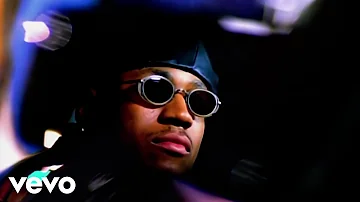
By the fall of 2002, LL Cool J had already been a fixture in hip-hop for the better part of two decades, which in rap years is practically an eternity. He had outlasted entire movements, survived shifts in sound and fashion, and kept finding new ways to stay relevant when most of his early peers had long since faded. So when this smooth, regretful single arrived, it carried the weight of a veteran proving once more that he still knew exactly how to make a hit, even in a landscape that had changed dramatically since his beginnings.
A Veteran Refusing to Fade
LL had built his career on versatility, moving from brash early battle records to some of the most successful crossover ballads in the genre's history. He understood the female audience better than almost any rapper of his generation, and he was never shy about leaning into romance when it suited him. By 2002 he was an established elder statesman, an actor and a hitmaker both, yet he had something left to prove against a wave of younger stars. "Luv U Better" appeared on his album 10, and it served as a reminder that experience could still beat youth when the song was right.
A Polished, Contrite Groove
The track is built around a sleek, contemporary production that fit perfectly into the radio of its moment. It was produced by The Neptunes, the duo whose distinctive, minimalist beats dominated pop and hip-hop in the early 2000s, and their signature crisp, spacious sound gives the record its modern sheen. Over that backdrop, LL delivers a lyric of apology and devotion, trading his usual swagger for something more vulnerable. He sounds like a man who knows he has messed up and is determined to make it right, and the contrast between his commanding voice and the humility of the message gives the song its emotional pull.
A Strong Climb to the Top Five
The single performed superbly on the Billboard Hot 100. It debuted at number 93 on August 24, 2002, then began a steady, determined climb week after week, gaining ground as radio embraced it. The ascent never stalled, building momentum through the fall until it reached its peak of number 4 on November 16, 2002, one of the highest chart placements of LL's long career. The record enjoyed a healthy run of 22 weeks on the Hot 100, a testament to its broad appeal and the durability of its hook. For an artist many had written off as past his prime, it was a triumphant return to the upper reaches of the chart.
A Late-Career Highlight
The song stands as one of the defining hits of LL's later years, proof that he could still command pop radio long after his debut. It reaffirmed his reputation as a master of the rap love song, a lane he had helped define and continued to own. Its lasting appeal is evident in the roughly 45 million YouTube views it has accumulated over the years. The record captures a moment when one of hip-hop's true survivors showed a new generation exactly how it was done, blending modern production with the timeless theme of trying to win back someone you have wronged.
Why It Still Resonates
Part of what gives the song its staying power is the way it sidesteps the usual posturing of a rap hit. Instead of leaning on bravado, LL builds the entire record around an admission of fault, and that choice reads as wisdom rather than weakness. It is the work of an artist secure enough in his standing to show humility, and listeners responded to that maturity. The track also captured a sweet spot in early-2000s production, when The Neptunes were at the peak of their influence and could make almost any record sound effortlessly current. The combination of timeless sentiment and of-the-moment sound helped the song reach an audience well beyond LL's core fans, pulling in pop listeners who might never have followed his earlier work. Years later, it endures as a reminder that the rap love song, done with sincerity, can be just as powerful as any club anthem, and that an artist willing to evolve can stay relevant long after his contemporaries have moved on.
Cue it up and hear a veteran make his case with hard-won charm. Press play and let it smooth things over.
"Luv U Better" — LL Cool J's singular moment on the 2000s charts.
02 Song Meaning
The Honest Apology of "Luv U Better"
LL Cool J's hit is a love song built around an unusual emotion for a rap record: contrition. Rather than boasting or seducing, the narrator owns up to his failings and pledges to do better, turning vulnerability into the song's central appeal. It is an apology set to a groove, and that sincerity is what gives it staying power.
The Theme of Accountability
The song centers on a man admitting he has taken a partner for granted. The narrator acknowledges his mistakes and promises to change his ways, framing love as something that requires effort and humility rather than mere declaration. There is real maturity in that admission, a willingness to take responsibility instead of making excuses, and it lends the record an emotional honesty that rap love songs do not always reach.
Strength in Vulnerability
What makes the message land is the contrast between LL's tough public image and the softness of the sentiment. He sets aside his usual bravado to express genuine regret, and that willingness to be vulnerable feels earned rather than calculated. The song understands that admitting fault is its own kind of strength, and it lets the listener see a more human side of an artist known for his confidence.
A Reflection of Grown-Up Hip-Hop
By 2002, hip-hop had matured enough to make room for songs about commitment and second chances. The track spoke to an audience that had grown up alongside the genre and wanted music that reflected adult relationships, not just conquest and excess. It offered a model of romance grounded in repair and devotion, which resonated with listeners ready for something more reflective. The genre had room now for the full arc of a relationship, including its mistakes and its mending, and this song embraced that complexity rather than shying away from it. That maturity marked how far the music had traveled from its earliest, more combative days.
Why It Connected
The song resonated because the experience it describes is universal. Almost everyone has had to apologize and try to make amends with someone they love. LL gave that struggle a voice both confident and contrite, and the combination proved irresistible. The honesty at its core, paired with a polished, radio-ready groove, is why the track climbed so high and why it still feels sincere decades later. There is something disarming about hearing a confident artist set his ego aside, and that gesture lends the song a credibility that mere charm could not buy. It speaks to anyone who has ever realized too late how much someone meant to them and resolved to do better, which is to say almost everyone, and that broad emotional reach is exactly why the record connected so deeply across audiences who might otherwise have little in common.
→ More from LL Cool J
View all LL Cool J hits →


→ More from the 2000s File
View all 2000s hits →


Keep digging