The 1980s File Feature
Girl, Don't Let It Get You Down
The O'Jays and "Girl, Don't Let It Get You Down": A Soul Institution Endures into the 1980s By the time The O'Jays released "Girl, Don't Let It Get You Down"…
01 The Story
The O'Jays and "Girl, Don't Let It Get You Down": A Soul Institution Endures into the 1980s
By the time The O'Jays released "Girl, Don't Let It Get You Down" in the summer of 1980, the group had already cemented their place among the greatest vocal acts in American soul history. Formed in Canton, Ohio, in 1958 and later adopted by the Philadelphia International Records machine, the trio of Eddie Levert, Walter Williams, and Sammy Strain had spent more than a decade defining the sound of socially conscious, deeply emotive rhythm and blues. Their association with producers Kenny Gamble and Leon Huff had yielded landmark albums and singles throughout the 1970s, and as the decade turned, the group remained committed to delivering polished, message-driven soul music at a time when the industry was in significant flux.
The late 1970s had not been entirely smooth for soul acts of The O'Jays' generation. The rise of disco had reshaped commercial radio, and as that genre collapsed dramatically at the close of the decade, record labels scrambled to reposition their artists. Philadelphia International Records, the pioneering independent label that had housed The O'Jays since 1972, navigated these shifts with varying degrees of success. The O'Jays adapted rather than retreated, incorporating contemporary production touches while maintaining their foundational identity as a group capable of deep emotional delivery and intricate vocal harmony.
"Girl, Don't Let It Get You Down" appeared on the group's 1980 album The Year 2000, a project that reflected both the futurist optimism common to turn-of-decade releases and the polished studio craft Philadelphia International had always championed. The track carried a message of resilience and emotional encouragement, thematically consistent with the group's long history of addressing personal struggle, communal solidarity, and the sustaining power of human connection. The production layered warm strings and tight rhythm section work in the manner that had made Philadelphia soul internationally recognizable, but with updated arrangements suited to the new decade's sensibility.
On the Billboard Hot 100, the single debuted at number 84 on August 23, 1980, and climbed steadily through the late summer and early autumn. It reached its peak position of number 55 during the chart week of October 4, 1980, spending a total of eleven weeks on the survey. That run demonstrated the group's continued ability to connect with radio programmers and soul audiences even as the popular music landscape shifted rapidly around them. The single performed more prominently on the R&B charts, where The O'Jays retained a devoted following that had followed them from the early days of "Back Stabbers" and "Love Train" through the harder-edged social commentary of later releases.
The historical context of 1980 adds a dimension to the song's appeal. The country was processing a period of economic uncertainty, the aftermath of the Iranian hostage crisis, and the eve of a major political realignment. Soul music in that environment carried particular weight as a form of communal expression, and The O'Jays' consistent focus on perseverance and human dignity resonated against that backdrop. The message embedded in "Girl, Don't Let It Get You Down" was simultaneously intimate and universal, speaking to personal emotional struggle while reflecting a broader cultural need for reassurance.
Eddie Levert's vocal performance on the track exemplified the qualities that had made him one of the most admired lead singers in soul music. His ability to move between tenderness and urgency, to deliver a lyric with both technical precision and raw emotional authenticity, gave the recording an immediacy that transcended the particular production conventions of the era. Walter Williams' harmonies anchored the vocal arrangement, reinforcing the sense of collective encouragement that characterized The O'Jays at their most effective.
The group's longevity at this point was itself a remarkable achievement. Having navigated the transition from doo-wop-influenced early recordings through the Motown era, the soul revolution of the late 1960s, and the Philly sound's commercial zenith in the mid-1970s, The O'Jays represented continuity in a genre often defined by rapid turnover. "Girl, Don't Let It Get You Down" was not the most commercially dominant entry in their catalog, but it affirmed that the group remained a vital creative force rather than a nostalgia act coasting on earlier success.
In retrospect, the song stands as a representative example of the graceful transition The O'Jays managed as they moved into the 1980s. Rather than dramatically reinventing themselves, they deepened and refined what they had always done best: bringing emotional honesty, sophisticated vocal arrangement, and a commitment to meaningful subject matter to popular music. That consistency had earned them their place in soul history, and each chart entry in this period added another chapter to a story of artistic integrity maintained across decades of industry change.
02 Song Meaning
Resilience and Encouragement: The Emotional Core of "Girl, Don't Let It Get You Down"
At its heart, "Girl, Don't Let It Get You Down" by The O'Jays is a song of steadfast emotional support. The track operates within a tradition of uplift ballads that had long been central to soul music's social function, positioning the singer as a source of strength for a person navigating personal adversity. That framing carries particular resonance coming from a group whose catalog was built on the intersection of personal emotion and communal experience.
The title itself establishes the song's stance immediately. The directive not to let hardship take hold is both gentle and firm, a combination The O'Jays embodied with particular grace through their vocal delivery. Eddie Levert's lead performance on the track conveys warmth without condescension, authority without distance. He does not position himself above the struggle being described; instead, his tone suggests someone speaking from experience, someone who understands the weight of difficulty and is offering genuine counsel rather than empty reassurance.
Thematically, the song fits comfortably within the Philadelphia International Records ethos that Gamble and Huff had established. That label's output consistently engaged with themes of survival, dignity, and the sustaining power of love and community. "Girl, Don't Let It Get You Down" draws on that tradition by framing resilience not as a solitary act of willpower but as something supported and enabled by relationship. The speaker is not telling the listener to be strong alone; he is offering his presence as part of what makes strength possible.
This reading gives the song a broader social dimension. In 1980, as economic pressures mounted and many communities faced genuine hardship, a song centered on encouragement and mutual support carried cultural weight beyond its personal narrative. The O'Jays had always understood that soul music's emotional vocabulary was inseparable from its social context, and even a relatively straightforward uplift track resonated differently when placed against the anxieties of its specific historical moment.
The production choices reinforce the song's emotional message. The warm string arrangements that characterize the Philadelphia sound serve here not as ornamentation but as textural support, literally surrounding the vocal with a sense of comfort and stability. The rhythm section provides forward momentum without urgency, suggesting that while the path may be difficult, it is one that can be traversed. Every element of the arrangement works in service of the central thematic idea: that adversity is real but not insurmountable, particularly when one is not alone.
Walter Williams and the broader vocal arrangement contribute to this effect by providing harmonic grounding beneath Levert's lead. The group's voices together suggest the very communal support the lyric describes, making the performance itself a kind of enactment of the song's meaning. This integration of form and content was one of The O'Jays' distinguishing qualities as a vocal group: the way in which the structure of their performances embodied the ideas they were expressing.
The song's placement on the Billboard Hot 100 in the early autumn of 1980, reaching number 55, speaks to a continuing audience appetite for this kind of emotionally direct, community-oriented soul music even as pop tastes shifted toward post-disco and early new wave sounds. That The O'Jays could place a record of this character on the national pop chart in 1980 reflects both their enduring commercial viability and the persistent demand for music that addresses genuine human need with sincerity and craft.
Considered within the full arc of The O'Jays' recording career, "Girl, Don't Let It Get You Down" represents the group at a mature stage of their artistry, working within a well-established framework but bringing genuine feeling to the material. It is a song that does not strain for novelty but achieves its purpose through commitment to its central message and the quality of its execution.
→ More from The O'Jays
View all The O'Jays hits →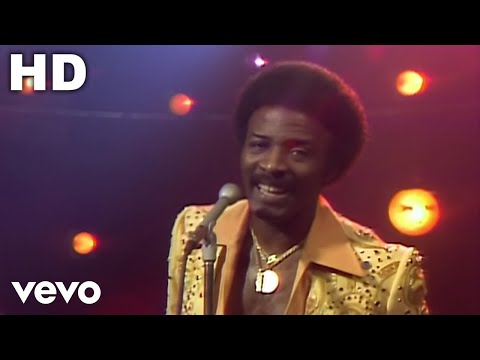


→ More from the 1980s File
View all 1980s hits →


Keep digging