The 1980s File Feature
Talking Out Of Turn
Talking Out Of Turn by The Moody Blues There is a particular kind of grandeur to the music of The Moody Blues, a lush, orchestral sweep that set them apart f…
01 The Story
"Talking Out Of Turn" by The Moody Blues
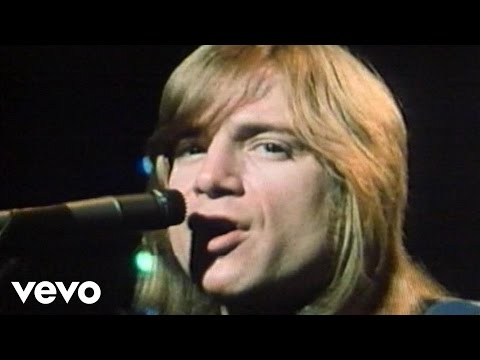
There is a particular kind of grandeur to the music of The Moody Blues, a lush, orchestral sweep that set them apart from their rock peers for decades. As the 1980s dawned, the veteran British band proved they could carry that signature sound into a new era, and with "Talking Out Of Turn" they delivered an aching, sophisticated ballad of regret and reconciliation. The song showed a band of seasoned craftsmen adapting gracefully to changing times.
Veterans of the Rock Era
By 1981, The Moody Blues were rock royalty, a band whose roots stretched back to the 1960s and whose pioneering blend of rock and orchestral textures had influenced generations. After a hiatus in the 1970s, the band had returned with renewed energy, and this song appeared on their album Long Distance Voyager, a major commercial success that confirmed their continued relevance. The album reached the top of the American charts, a remarkable achievement for a band so deep into their career. This single was one of its standout tracks, a showcase for the group's enduring gift for melody and atmosphere.
A Lush, Reflective Ballad
Musically, "Talking Out Of Turn" is a sweeping, emotionally rich ballad built around the band's trademark layered arrangements. The song unfolds patiently, building from a tender opening into a grand, swelling climax that puts the group's sense of drama on full display. The vocals are heartfelt and reflective, carrying the weight of the song's regretful theme. The arrangement balances rock instrumentation with orchestral sweep, the very combination that had always defined the band's distinctive sound. It is a song that prizes emotional depth and craft over fashion.
Its Chart Run
The single entered the Billboard Hot 100 on November 7, 1981, at number 88, and it climbed steadily through the late autumn. It rose week after week toward its high point. The song peaked at number 65 on November 28, 1981, and spent 7 weeks on the chart. While the single's chart numbers were modest, it was part of an album that performed enormously well, and the song remained a favorite among the band's devoted following.
A Comeback Decades in the Making
The context surrounding this song makes it all the more impressive. The Moody Blues had been a major force in the 1960s, pioneers of the lush, symphonic rock that fused pop songcraft with orchestral grandeur. After a period apart in the mid-1970s, the band's future was far from certain when they regrouped. Many bands of their vintage struggled to remain relevant as musical fashions shifted toward punk, new wave, and synthesizer-driven pop. Yet the album that housed this song defied those odds, becoming one of the biggest successes of their entire career. The band proved that their distinctive sound could find a substantial audience even in a changed musical landscape. That resilience spoke to the timeless quality of their craft and the loyalty of fans who had grown up with them.
The Hornsby-Era Sophistication
The early 1980s found The Moody Blues balancing their classic orchestral instincts against the demands of a new decade. This song captures that balance beautifully, retaining the sweeping emotional ambition that defined their best work while fitting comfortably alongside the more polished pop of its moment. The band never chased trends so much as adapted gracefully, trusting in the strength of melody and feeling. That refusal to abandon their identity for the sake of fashion is part of why their music aged so well, and why a song like this still rewards close listening.
A Mature Statement
In the long story of The Moody Blues, this song stands as evidence of a band that aged with grace, carrying their orchestral ambition into a new decade without losing their identity. It demonstrated their ability to remain artistically vital long after many of their contemporaries had faded. The song is a fine example of the lush, emotionally serious music that earned the band their lasting reputation, a moment of reflection from masters of the form who had nothing left to prove yet kept reaching anyway.
Press play and let those swelling arrangements carry you, and you will hear rock veterans at their most graceful.
"Talking Out Of Turn" — The Moody Blues' singular moment on the 1980s charts.
02 Song Meaning
The Meaning of "Talking Out Of Turn" by The Moody Blues
"Talking Out Of Turn" is a song about regret and the longing for reconciliation, a heartfelt admission of having said the wrong thing and the desire to repair the damage. It explores the painful aftermath of a misstep in a relationship and the hope of making amends.
The Weight of Regret
The central theme is the remorse that follows hurtful or thoughtless words. The title itself captures the moment of error, the realization that you have spoken carelessly and caused pain. The song dwells in the discomfort of regret, the wish to take back what cannot be unsaid. It is an honest acknowledgment of human imperfection, of the way we sometimes wound the people we care about most.
Longing to Reconnect
Beneath the regret lies a deep yearning for reconciliation. The singer wants to bridge the gap that his words have opened, to restore the closeness that has been damaged. The song expresses the hope that love can survive our mistakes, that an honest reckoning might lead to healing. That longing gives the song its emotional pull, the ache of wanting to put things right.
Maturity and Self-Awareness
The song reflects a grown-up understanding of relationships, one that acknowledges fault and seeks repair rather than placing blame. It treats vulnerability and apology as strengths rather than weaknesses. That emotional maturity suited a band of seasoned artists who had lived enough to understand the complexities of love.
The Pain of Imperfect Communication
At a deeper level, the song explores one of the most common sources of conflict in any relationship, the gap between what we mean and what we say. The title phrase captures a universal experience, the moment when words escape us before we have thought them through and cause damage we never intended. The song treats this miscommunication with real compassion, recognizing that hurting someone is rarely a matter of malice and more often a failure of care or timing. That understanding gives the song a wisdom beyond simple apology, acknowledging how fragile and easily wounded human connection can be, and how much effort it takes to repair.
Why It Resonated
The song connected because nearly everyone has said something they wished they could unsay. It gave listeners a voice for their own regrets and their hope of forgiveness. Wrapped in the band's lush, emotionally serious arrangement, that universal experience became something moving and dignified, a reminder that the desire to make amends is one of the most human impulses of all. In honoring that impulse so gracefully, the song offers both recognition and a measure of hope to anyone who has ever needed to say they were sorry.
→ More from The Moody Blues
View all The Moody Blues hits →


→ More from the 1980s File
View all 1980s hits →


Keep digging