The 1980s File Feature
Destroyer
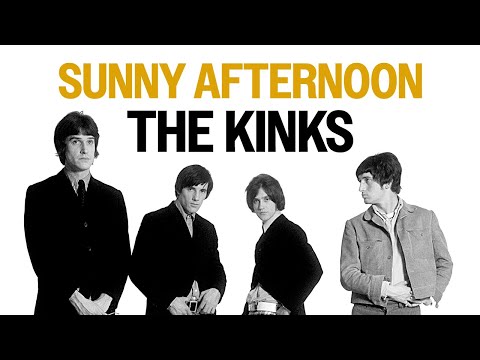
Destroyer by The Kinks Picture the early 1980s, one of rock's most legendary and idiosyncratic bands defying expectations once again, decades into a career t…
01 The Story
"Destroyer" by The Kinks
Picture the early 1980s, one of rock's most legendary and idiosyncratic bands defying expectations once again, decades into a career that had already reshaped popular music. The Kinks, led by the brilliant and unpredictable Ray Davies, were enjoying an unlikely commercial resurgence in America, and this hard-driving, self-referential rocker became one of the highlights of that comeback. It was the sound of veterans proving they still had plenty of fire and wit left to burn.
A Legendary Band's Resurgence
By 1981 the Kinks were rock royalty, the band behind some of the most influential songs of the 1960s and a catalog of brilliant, eccentric records. After years of shifting fortunes, they had found a new wave of success in America, embracing a harder, arena-rock sound that connected with a fresh generation of fans. "Destroyer" appeared on their 1981 album "Give the People What They Want," a key release in their American comeback. The song became one of the more popular tracks of this era, helping cement the band's renewed relevance. It showed Ray Davies still operating at a high creative level.
A Clever Slice of Self-Reference
The song is a driving, energetic rocker built on a famous bit of self-borrowing. Written by Ray Davies, the track reworks the iconic guitar riff from the band's own classic "All Day and All of the Night" and even references the character Lola from their earlier hit. That playful self-reference gave the song a winking, knowing quality, a band cheerfully raiding its own history for inspiration. The lyric deals with paranoia and anxiety, delivered with Davies' characteristic wit and theatrical flair. It is clever, propulsive, and unmistakably the work of a master songwriter having fun.
A Brief Chart Appearance
The single made a modest showing on the pop chart despite its popularity on rock radio. It debuted at number 92 on the Billboard Hot 100 on October 31, 1981, and moved into the mid-80s. It reached its peak of number 85 during the week of November 14, 1981, and spent 4 weeks on the chart. Those numbers understate the song's real impact, which was far greater on album-oriented rock radio where it became a staple. The pop chart figure reflected the era's mechanics more than the track's genuine popularity with rock audiences.
A Highlight of a Comeback
Within the Kinks' vast catalog, this song stands as a beloved entry from their 1980s American resurgence. It remains a fan favorite and a frequent presence on classic rock radio, one of the band's most recognizable later songs. The track exemplifies Ray Davies' enduring gift for combining hooks, humor, and sharp observation. It proved that even decades into their career, the Kinks could deliver vital, exciting rock music. The song endures as a testament to their remarkable longevity and creativity.
The Wit of Ray Davies
What sets the song apart is the unmistakable cleverness of its creator, one of rock's greatest and most literate songwriters. The decision to recycle his own famous riff and revisit an earlier character was a sly, self-aware joke that only a writer of Davies' caliber could pull off with such charm. That blend of musical muscle and intellectual playfulness is a Kinks trademark, evident throughout their long history. The song demonstrates how Davies could make a hard-rocking track feel smart and self-referential without sacrificing any of its energy, a balance few songwriters ever achieve.
A Band That Refused to Fade
The Kinks' 1980s success was remarkable precisely because so few of their British Invasion peers managed to stay vital across so many decades. Where many bands of their generation had broken up or faded into nostalgia by the early 1980s, the Kinks reinvented themselves for a new era and a new audience, embracing a harder, more anthemic sound built for American arenas and rock radio. Their ability to remain creatively and commercially relevant nearly two decades after their first hits speaks to the depth of Ray Davies' talent and the band's enduring drive. This song stands as proof of that longevity, a track that holds its own alongside their celebrated 1960s work. It showed that the Kinks were not content to coast on past glories, but were still capable of crafting fresh, exciting music well into a new decade.
Worth a Spin Today
Cue it up and you get a driving, witty rocker from one of rock's all-time great bands. It is energetic, clever, and packed with personality. Press play and enjoy the Kinks at their resurgent best.
"Destroyer" — The Kinks' singular moment on the 1980s charts.
02 Song Meaning
The Meaning Behind "Destroyer"
This is a song about paranoia, anxiety, and the way fear can sabotage happiness, delivered with Ray Davies' signature wit and theatrical flair. Its meaning lives in the tension between its energetic, fun sound and its darker lyrical themes of self-destructive worry. Beneath the driving rock surface lies a sharp observation about how paranoia can wreck a person's peace of mind.
Paranoia as the Enemy
The lyric portrays a mind consumed by paranoia and anxiety, with fear acting as the destructive force that ruins a relationship and one's own contentment. The title points to that internal saboteur, the worry that tears things apart from within. Davies dramatizes the experience of a mind turning against itself, of suspicion and dread undermining what should be happiness. That portrait of self-inflicted turmoil is the song's core idea.
Dark Themes, Bright Sound
The song wraps its anxious subject matter in an upbeat, hard-driving rock arrangement, creating a deliberate contrast between sound and meaning. That tension is characteristic of Davies' writing, which often hid sharp or melancholy observations inside catchy, energetic music. The mismatch makes the song more interesting, the cheerful momentum carrying a message about psychological distress. It rewards listeners who look beneath the surface.
Self-Reference and Self-Awareness
By revisiting his own earlier creations, including a familiar riff and a returning character, Davies adds a layer of knowing self-awareness to the song. That playfulness suggests an artist commenting on his own history and craft, winking at the audience. It also ties the song's theme of a mind looping back on itself to its musical structure, which loops back on the band's own past. The self-reference deepens the song's clever construction.
Why It Connected
It connected with listeners through the combination of irresistible energy and relatable psychological truth, the universal experience of letting fear ruin good things. Audiences enjoyed the driving rock sound while recognizing the anxiety at its heart. Davies' wit made the heavy subject palatable, even fun, allowing the song to entertain and resonate at once. That balance of accessibility and depth drove its lasting appeal.
Fear That Feeds Itself
One of the song's sharpest insights is how paranoia becomes a self-fulfilling prophecy, with the fear of losing something causing the very loss it dreads. The anxious mind, convinced disaster is coming, pushes away the people and happiness it most wants to keep. That vicious circle, where worry creates the outcome it fears, is the dark engine at the song's center. Davies understood that anxiety is rarely rational, that it loops and feeds on itself until it has destroyed the peace it was trying to protect. By dramatizing that cycle in an energetic rock track, the song makes a genuinely insightful observation about the human mind, dressed up in irresistible momentum. It is a clever portrait of how fear can be its own undoing.
A Clever Look at Fear
Ultimately the song offers a sharp, entertaining meditation on how anxiety and paranoia can be their own worst enemies. Its message about the self-destructive power of fear is delivered with humor and energy rather than gloom. That clever blend of insight and fun is what gives the song its distinctive and enduring character.
→ More from The Kinks
View all The Kinks hits →


→ More from the 1980s File
View all 1980s hits →



Keep digging