The 1980s File Feature
Promise Me
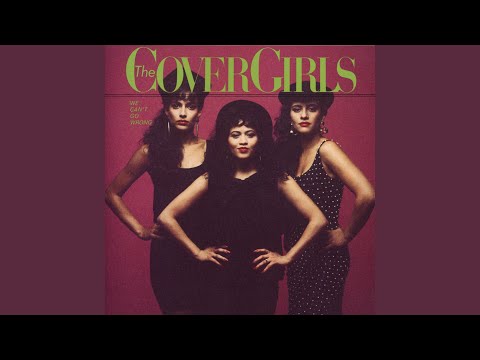
The Story Behind Promise Me by The Cover Girls A Freestyle Trio Rising From New York's Club Scene The Cover Girls emerged from New York City's vibrant late-1…
01 The Story
The Story Behind "Promise Me" by The Cover Girls
A Freestyle Trio Rising From New York's Club Scene
The Cover Girls emerged from New York City's vibrant late-1980s freestyle and dance-pop scene, a tightly harmonizing vocal trio whose sound drew heavily on the syncopated Latin-influenced rhythms and emotionally direct songwriting that defined the freestyle genre at its commercial peak. By 1988, the group had already built genuine momentum within that scene, and this single arrived as an opportunity to expand their reach well beyond the specialized club and radio circuit that had first embraced them.
A Signature Freestyle Sound Built for Crossover Appeal
"Promise Me" combined the genre's characteristic percussive, Latin-tinged rhythm programming with soaring, emotionally earnest lead and harmony vocals, striking a careful balance between authentic freestyle credibility and broader pop radio accessibility. That balance proved crucial to the song's eventual commercial success, allowing it to satisfy the trio's existing club audience while also drawing in mainstream pop listeners who might never have otherwise encountered freestyle as a genre.
An Extended, Steadily Building Chart Campaign
Commercially, "Promise Me" debuted on the Billboard Hot 100 on March 26, 1988, and climbed steadily over nearly two months to reach its peak position of number 40 during the chart week of May 21, 1988, ultimately spending an impressive nineteen weeks on the chart overall. That remarkably long chart run, nearly five months from debut to eventual chart exit, reflected sustained, genuine popularity rather than a brief novelty spike, the kind of patient, extended success that solidified the group's standing as legitimate crossover hitmakers.
Proof That Freestyle Could Achieve Lasting Mainstream Traction
This single's extended chart success carried real significance for freestyle as a genre, offering concrete evidence that the sound could achieve sustained mainstream traction beyond its core New York and regional club audiences. That crossover validation helped pave the way for other freestyle acts seeking similar mainstream radio opportunities during the genre's late-1980s commercial peak, demonstrating that authentically styled freestyle records could compete directly against more conventional pop productions.
A High-Water Mark Within a Broader Catalog
Within The Cover Girls' broader catalog, this recording represented one of the group's most significant commercial achievements, a genuine breakthrough that established them among the most successful and recognizable acts within the entire freestyle movement. That breakthrough carried lasting career benefits, opening doors to further chart opportunities and higher-profile bookings that might not have been available without this single's extended, genuinely impressive commercial run.
Part of a Broader Late-1980s Freestyle Boom
The single arrived amid freestyle's broader commercial boom period, when numerous similarly styled vocal groups and solo artists competed for the same limited radio and club playlist space across New York and other major urban markets. That competitive landscape makes this single's nineteen-week chart run especially notable, reflecting the group's ability to distinguish themselves within an unusually crowded and stylistically similar commercial field.
A Group Identity Built on Vocal Chemistry
Central to the group's appeal was a genuinely distinctive vocal chemistry among its three members, a blend that allowed them to trade lead lines and harmonies fluidly throughout their recordings rather than relying on a single dominant lead vocalist. That collaborative vocal approach distinguished The Cover Girls from many freestyle contemporaries built around a single featured singer, giving their catalog a consistently rich, layered vocal texture that became something of a signature across their most successful singles.
A Chart Run That Outlasted Most Genre Peers
Few freestyle singles of the era managed a chart run stretching anywhere near nineteen weeks, making this recording's longevity genuinely exceptional even when measured against the genre's other notable crossover successes during the same commercial window. That unusual staying power reflected both the song's broad, multi-format radio appeal and the group's already-established fan base, factors that combined to keep the single in active rotation across formats considerably longer than most comparable dance-oriented releases of the period.
A Defining Chapter in Freestyle's Commercial Story
Press play and hear a genre at its commercial and creative peak, three voices in tight harmony carrying freestyle firmly into mainstream pop radio territory.
"Promise Me" — The Cover Girls' singular moment on the 1980s charts.
02 Song Meaning
What "Promise Me" Is Really About
A Direct Plea for Romantic Commitment
As its title directly suggests, the song centers on an earnest plea for romantic commitment and reassurance, the narrator seeking concrete promises from a partner rather than settling for vague or uncertain expressions of affection. The Cover Girls' layered harmony vocals reinforce that emotional urgency throughout, using overlapping voices to amplify the intensity and sincerity of the central request being made to a hesitant or uncertain partner.
Freestyle's Emotional Directness on Full Display
Musically and lyrically, the track exemplifies freestyle's characteristic emotional directness, favoring plainly stated romantic longing over more restrained or metaphorical songwriting approaches common in other contemporary pop subgenres. That directness connected powerfully with the genre's core audience, many of whom valued freestyle precisely for its willingness to express vulnerable romantic feeling without excessive poetic distance or irony.
Percussive Rhythm as Emotional Urgency
The song's insistent, percussive rhythm track mirrors its lyrical urgency, using a driving, danceable tempo to underscore the narrator's genuine impatience for clarity and commitment from a romantic partner. That rhythmic urgency gave the track crossover appeal on dance floors even as its lyrical content spoke to a genuinely vulnerable emotional need for reassurance and stability within the relationship being described.
Three Voices Amplifying a Single Emotional Plea
The trio's vocal arrangement transforms what could have been a simple individual plea into something closer to a collective, amplified demand for honesty and commitment, the group's tightly blended harmonies suggesting shared emotional stakes rather than one isolated voice. That collective vocal presentation gave the song added emotional weight, making its central request feel even more urgent and universally relatable to listeners.
Hope Balanced Against Genuine Uncertainty
Despite its hopeful, danceable production, the lyric never fully resolves the underlying uncertainty driving its central plea, leaving listeners with a sense of hope balanced carefully against real emotional risk and vulnerability. That unresolved tension gave the song genuine emotional depth beneath its polished, radio-friendly surface, distinguishing it from simpler, more straightforwardly celebratory freestyle singles of the same period.
A Reflection of Its Era's Romantic Sincerity
The song's earnest, unguarded emotional tone also reflects a broader late-1980s pop songwriting sensibility that favored sincere, direct emotional expression over the more ironic or detached lyrical postures that would become increasingly common in subsequent decades. That period-specific sincerity gives the track a certain nostalgic charm today, capturing a moment when openly vulnerable romantic pleading remained fully compatible with mainstream chart success and broad commercial appeal.
Why the Song Still Resonates
Decades later, the track remains a beloved touchstone of freestyle's late-1980s commercial peak, valued by genre enthusiasts and casual listeners alike for its combination of danceable production and genuinely sincere emotional content. Its lasting popularity reflects that same rare balance of club-ready energy and heartfelt vulnerability that defined the group's broader catalog throughout this stretch of their career.
"Promise Me" — The Cover Girls' singular moment on the 1980s charts.
→ More from The Cover Girls
View all The Cover Girls hits →
→ More from the 1980s File
View all 1980s hits →

Keep digging