The 1980s File Feature
Night Shift
Night Shift by Quarterflash Picture 1982, when polished, melodic rock filled the airwaves and Quarterflash had broken through with their distinctive blend of…
01 The Story
"Night Shift" by Quarterflash
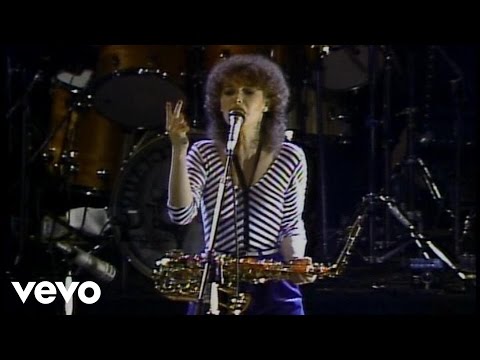
Picture 1982, when polished, melodic rock filled the airwaves and Quarterflash had broken through with their distinctive blend of rock and the saxophone-laced sound that set them apart. With "Night Shift," the band delivered an atmospheric, melodic rock track that showcased the smoky vocals and saxophone-driven style that defined their music. The song captured the moody, polished rock sensibility that made Quarterflash a notable presence on the early-eighties charts.
A Saxophone-Driven Rock Band
Quarterflash had risen to prominence with a sound that distinguished them from many of their peers, blending rock with the prominent, soulful saxophone playing that became their signature. The band was famous for their hit "Harden My Heart," a major success that showcased their melodic rock style and the smoky lead vocals of Rindy Ross, who also played the distinctive saxophone. "Night Shift" came during their successful period, another example of the atmospheric, sax-laced rock that made the band stand out in the early-eighties landscape.
An Atmospheric Rock Track
The recording is built on the band's melodic rock sound, featuring the prominent saxophone and the smoky, expressive vocals that defined their style. The mood is moody and atmospheric, the kind of polished rock that balanced emotional depth with radio-friendly accessibility. The arrangement gives the saxophone room to shine, creating the distinctive texture that set Quarterflash apart from other rock bands of the era. There is a sophisticated, slightly melancholy quality throughout, the sound of a band that combined rock energy with a moody, melodic sensibility.
Its Run on the Hot 100
The single carved out a presence on the chart in the late summer of 1982. It debuted on the Billboard Hot 100 on August 14, 1982, at number 83, then climbed steadily through 70, then 64, reaching its peak of number 60 during the week of September 4, 1982, where it held for a second week. Across its life the record spent eight weeks on the Hot 100. While not among the band's biggest hits, its chart presence confirmed Quarterflash's continued appeal and the distinctive sound that made them notable.
Part of a Distinctive Catalog
"Night Shift" belongs to the catalog of a band with a genuinely distinctive sound, a fine example of their atmospheric, saxophone-driven rock. While not as big as their breakthrough hit, the song captures the smoky vocals and sax-laced style that set Quarterflash apart in the early eighties. It endures as an example of their moody, melodic sensibility, a reminder of the unique texture they brought to rock music. The song reflects a band that carved out its own niche through a memorable and individual sound.
The Power of a Distinctive Sound
In the crowded landscape of early-eighties rock, having a distinctive, recognizable sound was a real advantage, and Quarterflash possessed exactly that. The prominent saxophone, played by lead singer Rindy Ross, set them apart from the countless guitar-driven rock bands of the era, giving their music a moody, soulful texture all its own. That saxophone-laced sound, combined with Ross's smoky, expressive vocals, created an identity that listeners could recognize immediately, a signature that distinguished the band from their peers. There is real value in a band that finds its own voice rather than simply following the prevailing trends, and Quarterflash's commitment to their distinctive sound was central to their appeal. A song like "Night Shift" demonstrates that individuality, the atmospheric, sax-driven rock that became their trademark. The fact that their lead singer was also their saxophone player added another layer to their identity, a woman fronting a rock band while delivering both the vocals and the instrumental hook. That kind of distinctiveness helped the band stand out in a competitive era and earned them a devoted following. While they may be best remembered for their biggest hit, their broader catalog, including tracks like this one, reflects the consistent, individual sensibility that made them more than just a one-hit act, a band with a genuine and memorable sound of their own.
Press play and let Quarterflash's smoky vocals and soulful saxophone draw you into their moody, atmospheric rock.
"Night Shift" — Quarterflash's singular moment on the 1980s charts.
02 Song Meaning
The Meaning Behind "Night Shift"
At its heart, this is a song about the moody, atmospheric world of the night and the emotions that surface within it. The title evokes the late hours, the night shift, a time associated with solitude, longing, and reflection. Quarterflash wraps that nocturnal mood in their distinctive saxophone-laced rock, creating an atmospheric meditation on the feelings that come alive in the dark hours, when the world slows down and emotions run closer to the surface.
The World of the Night
The central theme is the atmosphere and emotion of the late hours. The night shift evokes a world of solitude and reflection, the time when the everyday bustle fades and deeper feelings emerge. The song dwells in that moody, nocturnal atmosphere, exploring the emotions that surface in the quiet of the night. That focus on the feeling of the late hours gives the song its distinctive, atmospheric character, capturing a mood that the saxophone-laced sound expresses perfectly.
Moody Reflection
Emotionally, the song trades in atmospheric melancholy. There is a moody, reflective quality to the feeling, a sense of solitude and emotional depth. The smoky vocals and soulful saxophone amplify that mood, creating a sound that feels both sophisticated and a little wistful. That atmospheric, reflective emotional tone is the heart of the song, the sound of feelings that emerge in the quiet hours. It is rock with a moody, introspective soul, distinctive and emotionally resonant.
Melodic Rock in the Early Eighties
The cultural context suits the song. The early 1980s had a strong appetite for polished, melodic rock that balanced emotional depth with radio accessibility. Quarterflash's distinctive saxophone-driven sound fit that landscape while standing out from the guitar-heavy norm. An atmospheric, moody rock track exploring the emotions of the night fit the era's taste for sophisticated, melodic rock with genuine feeling, delivered with the band's individual texture and style.
Why It Resonated
The song connected because the mood it captures is widely felt. Many people know the particular feeling of the late hours, the solitude and reflection that come when the world quiets down. Hearing that nocturnal mood expressed through the band's atmospheric, saxophone-laced sound offered both recognition and emotional resonance. Delivered with Quarterflash's smoky vocals and distinctive style, that moody reflection felt genuine and evocative. The combination of a relatable atmosphere and the band's individual, sax-driven sound is exactly why the song connected with their audience. There is a lasting appeal to music that creates a distinct mood, that transports the listener into a particular emotional world. Quarterflash excelled at conjuring that nocturnal, reflective atmosphere, and their distinctive saxophone gave it a texture few other bands could match. By wrapping the feelings of the late hours in such an individual sound, the band offered listeners something both relatable and unique, and that combination of universal mood and singular style is exactly what made their music memorable.
→ More from Quarterflash
View all Quarterflash hits →



→ More from the 1980s File
View all 1980s hits →




Keep digging