The 1980s File Feature
You Don't Know Me
The Smooth Heartache of You Don't Know Me by Mickey Gilley Picture the early 1980s, when country music was riding the urban-cowboy boom and smooth, pop-influ…
01 The Story
The Smooth Heartache of "You Don't Know Me" by Mickey Gilley
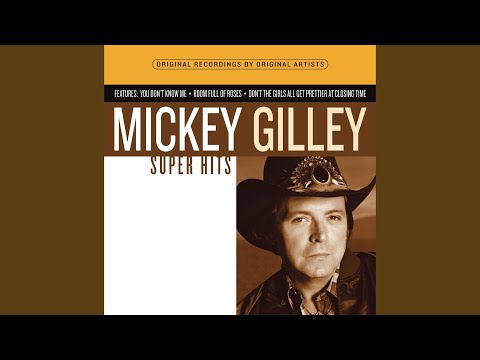
Picture the early 1980s, when country music was riding the urban-cowboy boom and smooth, pop-influenced ballads filled the airwaves. At the center of that moment stood Mickey Gilley, a Texas honky-tonk star whose namesake nightclub had become a national symbol of country culture. "You Don't Know Me" found him bringing his polished, heartfelt style to a classic tale of unspoken love, a tender ballad of longing delivered with the easy elegance that defined his sound.
A Star of the Urban Cowboy Era
By 1981, Mickey Gilley was one of country music's most recognizable figures. His Texas honky-tonk, Gilley's, had been immortalized in the film Urban Cowboy, helping to spark a nationwide craze for country culture, mechanical bulls, and two-stepping. Gilley himself was riding a remarkable string of hits, his smooth, piano-driven country style perfectly suited to the era's appetite for polished, crossover-friendly material. He was a cousin of rock and roll legend Jerry Lee Lewis, and shared some of that family's musical gifts, channeling them into a more refined country sound. "You Don't Know Me" arrived during this peak period of his career.
A Classic Given New Life
"You Don't Know Me" was an established standard, a song of unrequited and unspoken love that had been recorded by various artists over the years. Gilley brought his own smooth, heartfelt interpretation to it, wrapping the wistful lyric in a polished, melodic arrangement. His warm, expressive vocal carries the song's deep sense of longing, conveying the ache of a love that goes unexpressed. There is a gentle, understated quality to his delivery that suits the material perfectly. It is the kind of performance that lets a great song breathe, trusting the strength of the melody and the sincerity of the emotion.
The Urban Cowboy Moment
It is worth pausing on the cultural phenomenon that surrounded Gilley at this time. The film Urban Cowboy had turned his Texas nightclub into a household name and helped launch a nationwide fascination with country culture. Suddenly mechanical bulls, cowboy hats, and two-stepping were everywhere, and country music enjoyed a surge of mainstream popularity. Gilley stood at the very center of that craze, his smooth, accessible sound perfectly suited to an audience newly curious about the genre. A song like "You Don't Know Me" benefited from that visibility, reaching listeners who might never have sought out country music before. The era gave Gilley a remarkable platform, and he made the most of it with a steady stream of polished, heartfelt hits.
A Solid Chart Showing
On the Billboard Hot 100, "You Don't Know Me" made a respectable appearance for a country ballad. It debuted at number 83 on July 11, 1981 and climbed steadily over the following weeks, eventually peaking at number 55 on August 22, 1981. The song enjoyed a run of twelve weeks on the chart, a solid showing that reflected Gilley's broad popularity during the urban-cowboy years. As with most of his hits, it found its greatest success on the country charts, where his name was a guarantee of quality.
Part of a Prolific Run
The song was one of many hits Gilley scored during his remarkably productive early-1980s peak. His smooth, accessible style made him a fixture of country radio, and his association with the urban-cowboy phenomenon kept him in the national spotlight. "You Don't Know Me" stands as a fine example of his gift for interpreting heartfelt material, a polished take on a beloved standard that showcased the warm, easygoing appeal at the heart of his success.
Press Play and Feel the Longing
Put this one on and let Gilley's smooth, warm voice draw you into its tale of unspoken love. The gentle arrangement and heartfelt delivery reward an unhurried listen, the kind of quiet moment when a wistful ballad feels just right. It is polished, heartfelt early-1980s country from one of the era's most beloved stars.
"You Don't Know Me" — Mickey Gilley's singular moment on the 1980s charts.
02 Song Meaning
What "You Don't Know Me" by Mickey Gilley Really Means
"You Don't Know Me" is a poignant song about unspoken, unrequited love, the quiet agony of loving someone who has no idea how you truly feel. It explores the gap between outward appearance and inner longing, the pain of being close to someone yet emotionally invisible to them. It is a tender meditation on hidden feelings and missed connection.
The Pain of Hidden Feelings
The central theme is the heartbreak of concealed love. The narrator describes being known only superficially by the person he loves, who sees him as a friend or acquaintance while remaining oblivious to his deeper feelings. This creates a painful irony: the person closest to him does not truly know him at all, because he has never been able to reveal his heart. The title captures that bitter gap with quiet devastation.
Longing in Silence
The song dwells in the agony of unexpressed emotion. The narrator suffers in silence, unable to speak the words that might change everything. There is a tragic passivity to his situation, a sense of opportunities slipping away because the courage to confess never comes. This experience of loving from a distance, of holding feelings inside until they ache, is one of the most relatable forms of heartbreak the song could explore.
The Universal Ache of the Unspoken
What gives the song its lasting power is the universality of its emotion. The experience of secret, unrequited love is one almost everyone has known, whether in youth or beyond. The song articulates a feeling that often goes unspoken precisely because it is so vulnerable, giving voice to a private kind of suffering. Gilley's warm, sincere delivery makes that emotion feel genuine and deeply felt.
Why It Resonates
The song endures because its theme is timeless and painfully familiar. The longing to be truly known by the person you love, and the heartbreak of remaining hidden, never loses its power. By interpreting this classic with such heartfelt sincerity, Gilley connected with anyone who has ever loved in silence. It resonates because it captures a deeply human experience with grace and honesty, offering a tender reflection of feelings many carry but few express aloud. The song's longevity across many recordings speaks to the depth of its emotional truth. Each generation seems to rediscover the ache it describes, finding in it a perfect expression of a love too tender or too frightened to declare itself. Gilley's warm, sincere version added to that legacy, ensuring the song's quiet heartbreak would reach a whole new audience during his peak years. The fact that so many great singers have returned to it speaks to the timeless nature of its central wound, the pain of being known by everyone except the one person whose understanding you most desire.
→ More from Mickey Gilley
View all Mickey Gilley hits →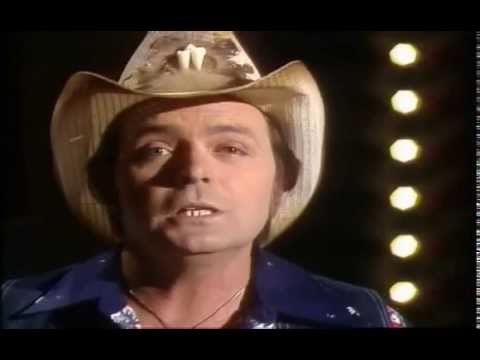

→ More from the 1980s File
View all 1980s hits →


Keep digging