The 1980s File Feature
Baby Step Back
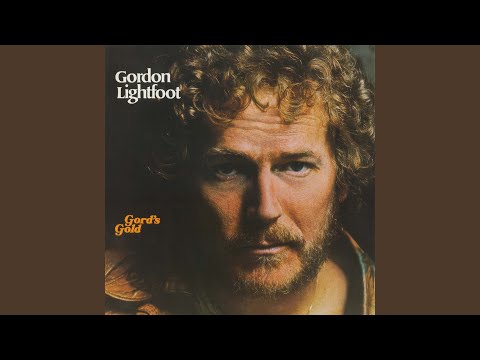
The Story Behind Baby Step Back by Gordon Lightfoot A Canadian Icon Well Into a Storied Career Few singer-songwriters of his generation managed to sustain bo…
01 The Story
The Story Behind "Baby Step Back" by Gordon Lightfoot
A Canadian Icon Well Into a Storied Career
Few singer-songwriters of his generation managed to sustain both critical respect and consistent radio presence across as many years as Gordon Lightfoot did, moving gracefully from the folk clubs of Toronto in the early 1960s to arenas across North America without ever losing the plainspoken honesty that made his early work resonate. By 1982, Gordon Lightfoot had already secured his place as one of North America's most respected folk-rock singer-songwriters, a career built on the strength of classics like "If You Could Read My Mind" and "The Wreck of the Edmund Fitzgerald." "Baby Step Back" arrived on his album Shadows, released at a moment when Lightfoot was navigating a music industry rapidly shifting toward synthesizers and new wave production, while he remained committed to the acoustic-guitar-driven storytelling that had defined his sound since the 1960s and continued to define his approach to songwriting throughout the decade, even as record labels pushed artists of his generation toward slicker, more processed sounds.
A Return to Warmth and Simplicity
The song leaned into the gentler, more intimate side of Lightfoot's songwriting, favoring understated arrangement and conversational lyricism over the sweeping narrative ambition of his biggest hits. It reflected an artist comfortable enough in his craft to write something modest and direct, trusting melody and vocal warmth to carry the song rather than chasing radio trends. That restraint had become something of a hallmark for Lightfoot by this point in his long and consistently well-regarded career, one built on trust between artist and audience rather than chasing passing fads.
A Slow, Steady Climb
"Baby Step Back" entered the Billboard Hot 100 on April 3, 1982, debuting at number 80. It climbed steadily over the following weeks, moving from 71 to 63 to 57 to 53 in successive weeks, a gradual but consistent ascent that reflected sustained adult-contemporary radio support rather than an explosive pop breakout. The single ultimately reached its peak position of number 50 on May 8, 1982, completing a run of eight weeks on the chart that showed real staying power for a modest, understated single competing against far flashier production on the same countdown.
Holding Ground in a Changing Decade
Many of Lightfoot's peers from the singer-songwriter boom of the late 1960s and early 1970s found themselves squeezed out of the mainstream entirely as the decade turned, unable or unwilling to adapt their sound to fit newer production trends. The early 1980s presented real challenges for folk-rock veterans of Lightfoot's generation, as pop radio increasingly embraced synth-pop, new wave, and glossier production values. That "Baby Step Back" charted at all speaks to Lightfoot's enduring credibility with adult-contemporary audiences who valued songwriting craft over trend-chasing, a loyal following built across nearly two decades of consistent, literate songwriting that never abandoned its core values.
A Modest Entry in a Towering Catalog
While it never approached the commercial or cultural impact of his signature 1970s hits, "Baby Step Back" represents Lightfoot's continued relevance into a new decade, proof that his songwriting instincts remained sound even as the broader industry moved in different directions around him. It belongs to the later, quieter chapters of a catalog defined overwhelmingly by its earlier peaks and enduring standards.
Worth Revisiting
Give "Baby Step Back" a listen and you'll hear Lightfoot doing what he always did best: telling a simple story with warmth, restraint, and unmistakable craft. It's a gentle reminder of why his voice remained welcome on adult-contemporary radio well into the 1980s and beyond, a testament to a songwriter who never chased trends but somehow kept finding an audience anyway. For listeners who know him only through his most famous epics, it's a worthwhile detour into the quieter corners of a remarkably durable catalog.
"Baby Step Back" — Gordon Lightfoot's singular moment on the 1980s charts.
02 Song Meaning
What "Baby Step Back" Is Really About
A Plea for Caution in Love
Where so many popular songs of any era race toward declarations of certainty, Lightfoot's lyric takes the opposite approach, choosing hesitation over haste as its emotional starting point. As its title implies, "Baby Step Back" centers on a narrator asking a partner to slow down, to reconsider the pace or intensity of a relationship rather than rushing headlong into it. That theme of romantic caution runs counter to much of pop music's usual urgency, instead framing hesitation and reflection as reasonable, even wise, responses to strong feeling that deserves careful handling rather than headlong momentum toward an uncertain outcome.
Maturity as a Lyrical Perspective
Coming from an artist well into his forties by 1982, the song carries the perspective of someone who has weathered enough relationships to value deliberation over impulse. That grounded, experienced voice distinguishes the track from typical romantic pop, replacing breathless infatuation with something closer to hard-won wisdom about pacing and self-protection in matters of the heart, lessons that only accumulate with years of lived experience.
Folk Storytelling Applied to Romance
Lightfoot's songwriting had always leaned on plainspoken, narrative-driven lyricism, and "Baby Step Back" applies that same instinct to a smaller, more personal subject than his famous story-songs. Rather than chronicling a shipwreck or historical event, he turns his observational eye inward, examining the emotional mechanics of a relationship with the same careful, unhurried attention he'd once given grander narratives about ships and storms, proving that emotional precision mattered just as much on a smaller canvas.
A Counterpoint to Early 1980s Pop Urgency
Much of the pop landscape in 1982 favored high-energy, synth-driven romantic urgency, songs built around immediate desire and dance-floor intensity. Lightfoot's quieter, more contemplative approach offered listeners an alternative emotional register, one rooted in patience and reflection rather than instant gratification, appealing especially to adult-contemporary audiences seeking something steadier and more grounded.
Why It Resonated With Listeners
Radio audiences in 1982 had plenty of louder, flashier options competing for their attention, which made a song built on restraint stand out by contrast rather than by volume. Fans who had grown up with Lightfoot's music found comfort in a songwriter aging honestly alongside them, addressing love with the same thoughtful restraint he'd always brought to his work. The song didn't need dramatic hooks to connect; it needed sincerity, and Lightfoot's weathered, warm delivery supplied exactly that in abundance throughout the recording.
A Quiet Statement of Enduring Values
Ultimately, "Baby Step Back" reflects Lightfoot's consistent artistic philosophy: that emotional honesty and careful observation matter more than spectacle. Even in a modest single, that philosophy comes through clearly, offering listeners a moment of grounded reflection amid an increasingly frenetic pop landscape all around them, one more example of a songwriter trusting quiet sincerity over noise.
→ More from Gordon Lightfoot
View all Gordon Lightfoot hits →


→ More from the 1980s File
View all 1980s hits →



Keep digging