The 1980s File Feature
Really Wanna Know You
"Really Wanna Know You" — Gary Wright's Soulful Comeback A Man Between Worlds Picture 1981: synthesizers are colonizing pop radio, new wave is pushing older …
01 The Story
"Really Wanna Know You" — Gary Wright's Soulful Comeback
A Man Between Worlds
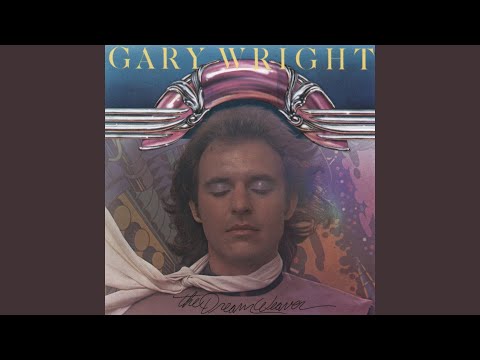
Picture 1981: synthesizers are colonizing pop radio, new wave is pushing older rock acts off the dial, and the whole industry is recalibrating around a colder, shinier sound. Into that environment stepped Gary Wright, a musician whose career had already peaked once and spectacularly. His 1975 anthem Dream Weaver had made him the unlikely prophet of keyboard-driven rock, a record so thick with synthesizers and cosmic longing that it felt beamed in from another decade. By 1981 he needed to prove that his instinct for melody had survived the shift in tastes.
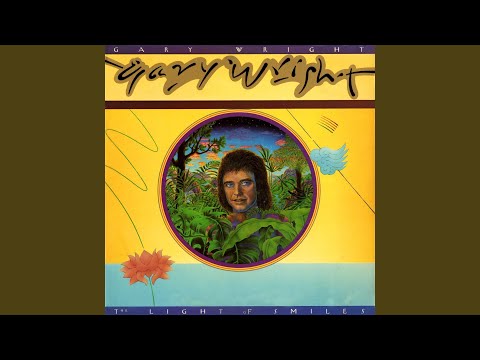
Wright had spent the late 1970s releasing albums that earned respect without setting the charts on fire. The Light of Smiles and Touch and Gone both demonstrated his craft, but the commercial momentum of Dream Weaver proved difficult to recapture. Heading into the new decade, he signed with a new label and began working on what would become his most commercially successful project since the mid-seventies.
The Sound of That Summer
The resulting record, Really Wanna Know You, landed on the Billboard Hot 100 on July 4, 1981, debuting at number 80. What followed was a textbook slow burn. Week by week the track climbed with quiet persistence, moving through the 70s, the 60s, and into the top 50 as summer deepened. By the week of September 5, 1981, the song had reached its peak position of number 16 on the Hot 100, a run of 17 weeks total that rewarded patience.
The production leaned into everything that defined polished early-1980s pop: layered synthesizer textures, a bright, clipped drum sound, and a chorus that opened up with enough warmth to remind you this was still, at its core, a song built around feeling rather than spectacle. Wright had always understood that synthesizers were tools for emotion, not just atmosphere, and that philosophy runs through every bar of this track.
Craft and Continuity
What distinguishes Really Wanna Know You within Wright's catalogue is how neatly it bridges his late-seventies aesthetic with the commercial demands of the new decade. The synthesizer layers are present but less dense than on Dream Weaver; the song breathes more, leaving space for the vocal to carry genuine intimacy. Wright's voice, always an underrated instrument in his arsenal, sits front and centre with an earnestness that was becoming rare as production values trended colder and more mechanical.
The track appeared on the album The Right Place, released on Elektra Records in 1981. The album title was something of a manifesto: Wright was asserting that he still belonged in the conversation, that the synthesizer-pop landscape he had helped pioneer in the mid-seventies was still territory he could navigate with authority. Really Wanna Know You became the album's strongest commercial statement, proving the point in chart terms.
The Competitive Landscape of 1981
Summer 1981 on the Hot 100 was a genuinely crowded and competitive place. Olivia Newton-John, Rick Springfield, and Kim Carnes were among the artists dominating the upper reaches of the chart. For an artist in his mid-thirties whose biggest moment had been six years prior, cracking the top 20 required both quality and good timing. The song's gradual, steady ascent suggests it built its audience through radio play rather than a single explosive moment of cultural attention.
That kind of methodical chart run often says something about the depth of a song's appeal. Tracks that spike fast can ride novelty; tracks that climb over four months tend to earn their positions through repeated listens, through the kind of melody that catches in your head during a car commute or a quiet afternoon. Really Wanna Know You was that kind of record, the sort that radio programmers kept returning to because listeners kept calling in.
Legacy and the Long View
Gary Wright never again reached the commercial heights of Dream Weaver, and Really Wanna Know You did not fundamentally alter his standing in rock history. What it did do was confirm that his talent for crafting emotionally resonant synthesizer pop was durable across a decade's worth of stylistic shifts. In the context of 1981, a top-16 placement represents a genuine artistic and commercial victory for an act that the industry had largely categorized as a legacy artist.
For listeners who come to the song now, what strikes most is the sincerity of the performance. In an era when pop production increasingly favored cool detachment, Wright was still making records that asked you to feel something. That commitment to emotional directness, sustained across a 17-week chart run in a summer full of competition, is its own kind of legacy. Press play and hear exactly what radio sounded like when summer 1981 was at its warmest.
"Really Wanna Know You" — Gary Wright's singular moment on the 1980s charts.
02 Song Meaning
"Really Wanna Know You" — Longing in the Synthesizer Age
The Anatomy of Desire
At its core, Really Wanna Know You is a song about the particular vulnerability of wanting to understand another person completely. The lyrics move through the anxious territory between attraction and connection, tracing the gap between the surface of a relationship and its depth. Gary Wright had always written from an introspective, searching place, and this track extends that tradition into a more intimate, conversational register than his earlier cosmic-themed work.
The emotional logic of the song is simple but effective: the narrator feels drawn to someone but recognizes that physical attraction alone is insufficient. The desire to truly know another person, rather than simply to possess or be near them, gives the lyric its distinguishing character. In the landscape of early-1980s pop, where plenty of romantic songs settled for surface-level sentiment, this kind of emotional specificity stood out.
Intimacy Against the Grain
The early 1980s were, in cultural terms, a complicated moment for vulnerability. The post-punk and new wave movements had made a certain kind of emotional guardedness fashionable, while mainstream pop was increasingly drawn toward escapism and polish. Into this environment, Wright's willingness to write openly about emotional need felt slightly countercultural, a continuation of the confessional singer-songwriter tradition rather than a concession to the decade's prevailing aesthetic.
The production underscores this. The synthesizer textures are warm rather than cold, rounded rather than angular. Where much of the era's keyboard-driven pop used electronic sound to create distance and sheen, Wright deployed it as a cushion beneath a genuinely earnest vocal. The result is a track that sounds modern for its year while still operating on human scale.
Spiritual Threads and Personal Honesty
Wright had been a public practitioner of transcendental meditation since the early 1970s and had spoken openly about how spiritual seeking influenced his creative output. The search for deep understanding, whether of the cosmos or of another individual, runs as a consistent thread through his catalogue. Really Wanna Know You can be heard as a romantic song, but it also fits within this larger pattern of inquiry. The desire to know and be known is both romantic and philosophical, and Wright's version of that desire carries both registers.
This layering of meanings is part of what made him a distinctive figure in the synthesizer-pop landscape. He was never simply a producer of pop product; there was always a searching quality to his work, an implication that the music was trying to articulate something the writer found genuinely important to communicate.
Why It Resonated
A song about wanting to understand someone deeply is, by definition, universal. The specific emotional note Wright strikes, that combination of attraction and intellectual curiosity, of wanting more than the available surface, speaks to an experience that transcends any particular era. The track's 17-week run on the Hot 100 through the summer and early autumn of 1981 reflected genuine audience connection, the kind that builds through repeated radio encounters rather than a single cultural moment.
Listeners returning to the song today will find it has dated well precisely because its emotional content was never tied to a specific trend or fashion. The synthesizers place it firmly in its era, but the feeling underneath remains accessible. In a decade that sometimes mistook surface for substance, Really Wanna Know You kept its priorities in the right order.
→ More from Gary Wright
View all Gary Wright hits →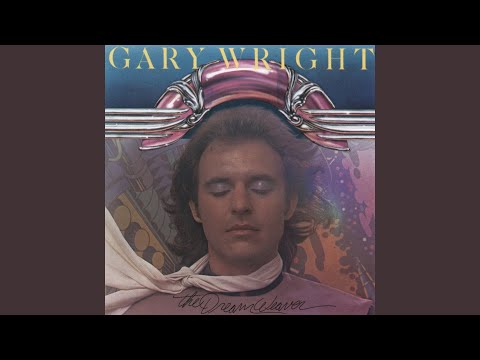
→ More from the 1980s File
View all 1980s hits →
Keep digging