The 1980s File Feature
Johnny Can't Read
The Edgy Solo Statement Johnny Can't Read by Don Henley Picture the autumn of 1982, when a former member of one of the biggest bands in the world stepped out…
01 The Story
The Edgy Solo Statement "Johnny Can't Read" by Don Henley
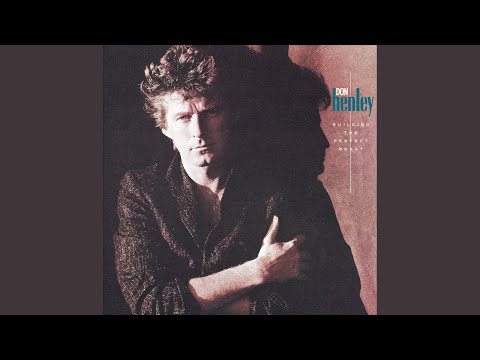
Picture the autumn of 1982, when a former member of one of the biggest bands in the world stepped out on his own with something sharper and more pointed than his fans might have expected. Don Henley, fresh from the dissolution of his legendary group, launched his solo career with "Johnny Can't Read," a punchy, new-wave-tinged rock song that tackled a serious social issue with surprising bite. It was a bold opening statement from an artist ready to be heard on his own terms.
A Legend Begins Again
Don Henley had spent the 1970s as a central figure in one of the most successful rock bands of all time, serving as drummer, vocalist, and a primary creative force. When that group came to an end, he faced the challenge of establishing himself as a solo artist. Henley had been a key songwriter and singer in the Eagles before launching his solo career, and expectations for his next move ran high. This single was his first solo offering, a chance to define his own artistic identity apart from the band that made him famous.
Rather than playing it safe with a familiar soft-rock sound, Henley chose something edgier and more contemporary, signaling that his solo work would not simply rehash the past.
A Punchy, Socially Aware Rocker
Musically, the song is a tight, energetic rock track with a new-wave edge that reflected the sound of its moment. The production is sharp and driving, a deliberate departure from the smooth California rock of his former band. Henley delivers the lyric with urgency, tackling a pointed subject with intelligence and bite. The song's social awareness, addressing concerns about education and literacy, gave it a substance that set it apart from typical rock fare.
That combination of contemporary edge and thoughtful content announced Henley as a solo artist with serious ambitions and something to say. The new-wave influences signaled that he was paying attention to the current moment rather than resting on his established sound. It was a statement of intent, declaring that his solo work would engage with the present and tackle subjects beyond the romantic concerns of typical rock radio.
Stepping Out of a Giant Shadow
Launching a solo career after years in one of the most successful bands in history is a daunting prospect. The weight of expectation and the inevitable comparisons can crush an artist, and many former band members have struggled to establish independent identities. Henley faced the challenge of proving himself apart from his celebrated former group, and he chose to do so with material that deliberately departed from that band's signature style. This single represented his declaration of independence, a bold first move that distanced him from the past while hinting at the distinctive solo voice he would soon develop into one of rock's most respected.
A Solid Run on the Hot 100
The single performed respectably as a debut solo statement. "Johnny Can't Read" debuted on the Billboard Hot 100 on August 21, 1982, at number 80. It climbed steadily over the following weeks, moving to 70, then 62, then 53, then 48 as it gained ground. The song reached its peak of number 42 during the chart week of October 2, 1982. In total it spent 11 weeks on the Hot 100, a solid showing that launched Henley's solo career and set the stage for the much bigger successes to come.
The Start of a Major Solo Career
"Johnny Can't Read" stands as the opening chapter of one of rock's most acclaimed solo careers. Henley would soon achieve enormous success on his own, but this single marked his first confident step into that territory. The track has gathered more than 317,000 views on YouTube, where listeners can hear the sharp, ambitious beginning of his solo journey.
Press play and hear a rock legend striking out on his own, an edgy and intelligent opening statement from a major artist.
"Johnny Can't Read" — Don Henley's singular moment on the 1980s charts.
02 Song Meaning
What "Johnny Can't Read" Really Means
"Johnny Can't Read" is a song with genuine social commentary at its core, a pointed look at the failures of education and the consequences of illiteracy. Its meaning lies in that critique, delivered with energy and a touch of dark irony.
A Critique of Education
The song takes aim at the shortcomings of the educational system, using the figure of a young person who cannot read as a symbol of a larger failure. The central theme is the social crisis of illiteracy and educational neglect, a serious issue dressed in the energy of a rock song. The song uses its catchy form to draw attention to a real and troubling problem, a clever pairing of message and music.
Consequences for the Future
Beyond the immediate critique, the song suggests broader consequences for individuals and society when education fails. The deeper message warns of the dangers of a generation left behind, the long-term costs of neglecting basic learning. That sense of alarm gives the song a weight beyond its punchy surface, a genuine concern about where such failures lead.
Irony and Edge
The song delivers its serious message with a layer of dark irony and rock-and-roll bite. The energetic, almost upbeat sound contrasts pointedly with the grim subject, a deliberate tension that sharpens the commentary. That ironic edge reflects the new-wave sensibility of the era, using catchy music to deliver pointed social observation rather than simple entertainment.
A Reflection of Its Era
The early 1980s saw growing public concern about education and the state of American society, themes that found their way into the era's music. The song reflects that anxiety, channeling real social worry into a rock format. It captures a moment when popular music engaged with serious issues, offering commentary alongside the groove.
Music as Social Conscience
The song reflects a belief that popular music can and should engage with real issues, a conviction that would run through much of Henley's solo work. The song treats rock as a vehicle for social observation, not merely entertainment but a means of commentary. That sense of purpose, the idea that a hit song could also raise awareness of a genuine problem, gave the track a seriousness of intent that distinguished it. It announced an artist who intended to use his platform to say something meaningful about the world.
Why It Connected
The song resonated because it married a serious, relevant message with an energetic, accessible sound. Listeners could enjoy the rock energy while absorbing its pointed commentary, a combination that gave the song unusual substance. That blend of social awareness and musical bite, delivered by a respected artist striking out on his own, is what gave the song its impact and its place at the start of a major solo career.
→ More from Don Henley
View all Don Henley hits →



→ More from the 1980s File
View all 1980s hits →


Keep digging