The 1980s File Feature
The End Of The Innocence
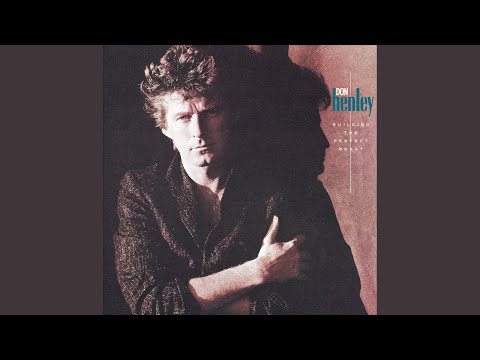
The End Of The Innocence by Don Henley There is a particular melancholy that settles in when you realize the world is not as simple or as kind as you once be…
01 The Story
"The End Of The Innocence" by Don Henley
There is a particular melancholy that settles in when you realize the world is not as simple or as kind as you once believed, and few songs have captured that feeling as gracefully as Don Henley's masterpiece. Arriving in the summer of 1989, as one decade gave way to another, the song offered a wistful meditation on lost idealism, both personal and national. It was the work of an artist at the height of his powers, looking back with clear eyes and a heavy heart.
An Eagle Soaring Solo
By 1989, Don Henley had long since established himself as one of the most thoughtful voices in American rock. As a founding member and key creative force of the Eagles, he had helped shape the sound of the 1970s, and his solo career had only deepened his reputation as a serious songwriter. The song was co-written with Bruce Hornsby, whose distinctive piano work gives the recording its unmistakable, flowing character. That collaboration paired Henley's reflective lyrics with Hornsby's elegant melodic sense, producing one of the most acclaimed records of the era.
A Sweeping, Cinematic Sound
Musically, "The End Of The Innocence" is a sweeping, beautifully crafted ballad built around Hornsby's rolling piano and Henley's weathered, expressive voice. The arrangement unfolds with a cinematic grandeur, building from quiet reflection to an emotional swell that mirrors the song's themes. There is a bittersweet beauty to it, a sense of looking back at something precious that has slipped away. The song's lush, contemplative production perfectly matched its mood of wistful reckoning, creating a piece of music that felt both intimate and epic.
A Major Chart Success
The single proved a substantial hit. It entered the Billboard Hot 100 on June 24, 1989, at number 62, and it climbed steadily through the summer as listeners embraced its reflective beauty. The song peaked at number 8 on August 26, 1989, giving Henley a major Top 10 hit, and it showed real staying power, spending 18 weeks on the chart. The song's success was matched by critical acclaim, and it would go on to earn Henley a Grammy Award for his vocal performance.
The Hornsby Touch
It is impossible to discuss this song without dwelling on the contribution of Bruce Hornsby, whose rolling, instantly recognizable piano gives the recording its distinctive character. Hornsby had made his own name with a flowing, melodic piano style that felt both classical and contemporary, and bringing that sensibility to Henley's song elevated it considerably. The piano does not merely accompany the vocal; it drives the song forward, lending it a sense of motion and grandeur that suits the sweeping themes. The collaboration between Henley's weathered lyrics and Hornsby's elegant playing produced something neither might have achieved alone, a recording in which words and music reinforce each other perfectly. That partnership is a large part of why the song endures.
A Song for the End of an Era
The timing of the song's release gave it added resonance. Arriving as the 1980s drew to a close, it seemed to capture a broader mood of reckoning, a sense that one era was ending and another, less certain one was beginning. Henley had always been an artist attuned to the larger currents of American life, and the song channels that awareness into its reflection on lost idealism. It is at once intimate and sweeping, a personal lament that opens out into a meditation on the state of the world. That ability to connect the private and the public is a hallmark of his finest writing.
A Lasting Masterwork
In the long arc of Don Henley's career, this song stands as one of his crowning achievements, a recording that captured a cultural moment with rare poetic grace. It remains among the most respected recordings of his solo years, beloved for its emotional depth and its timeless meditation on lost idealism. The song endures as a high-water mark of late-80s sophisticated rock, a work that continues to move listeners with its bittersweet wisdom.
Press play and let that rolling piano carry you, and you will hear one of rock's great storytellers at his most profound.
"The End Of The Innocence" — Don Henley's singular moment on the 1980s charts.
02 Song Meaning
The Meaning of "The End Of The Innocence" by Don Henley
"The End Of The Innocence" is a meditation on lost idealism, a wistful reckoning with the moment we realize that the world, and the people in it, are more flawed and more complicated than we once believed. It mourns the passing of innocence on both a personal and a national scale.
The Loss of Naivety
The central theme is the painful transition from innocence to disillusionment. The song reflects on the way youthful idealism gives way to a harder, sadder understanding of reality. It captures the ache of growing up and seeing clearly, of losing the comforting illusions of an earlier time. That sense of bittersweet awakening runs through the entire song.
A Personal and Political Reckoning
The song works on more than one level, weaving together private heartbreak and a broader commentary on the state of the nation. The lyrics touch on broken families and a sense of cultural weariness, suggesting that the loss of innocence is both intimate and collective. It connects personal disillusionment to a larger social mood, capturing the uncertain spirit of an era in transition. That dual perspective gives the song its depth.
Finding Solace in Escape
Amid the melancholy, the song offers a fragile kind of comfort, the wish to retreat from a troubled world to a simpler, more peaceful place. It expresses a longing for refuge, for a moment of stillness away from the noise and disappointment. That yearning for escape softens the song's sorrow with a note of tender hope.
Beauty in Sadness
One of the song's most remarkable qualities is the way it finds beauty in melancholy. The loss it describes is genuinely sad, yet the music is gorgeous, and the combination produces something more complex than simple sorrow. The song treats disillusionment not as despair but as a kind of hard-won wisdom, the bittersweet understanding that comes with maturity. There is comfort in hearing such feelings expressed so beautifully, a sense that even our losses can be transformed into something meaningful and shared. That alchemy, turning sadness into beauty, is one of the deepest gifts that music can offer, and this song delivers it with rare grace.
Why It Resonated
The song connected because its theme is universal and timeless, the loss of innocence that everyone experiences as they grow. It gave listeners a beautiful language for their own disillusionment and their longing for something purer. That profound, reflective quality is what made it resonate so deeply and endure as a classic, a song that listeners return to whenever they feel the weight of how much the world has changed, and how far they have traveled from the certainties of their younger selves.
→ More from Don Henley
View all Don Henley hits →



→ More from the 1980s File
View all 1980s hits →



Keep digging