The 1980s File Feature
I Can't Wait
Deniece Williams s I Can t Wait : A Soulful Voice in the Late Eighties There is a warm, soaring quality to this song, the sound of one of soul music s most d…
01 The Story
Deniece Williams's "I Can't Wait": A Soulful Voice in the Late Eighties
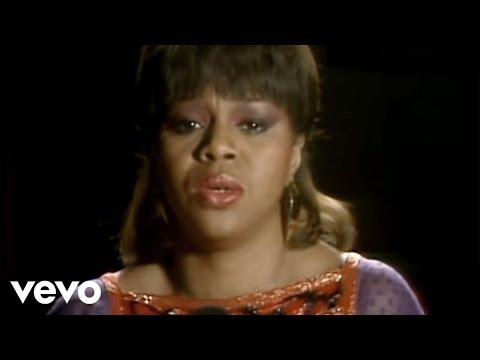
There is a warm, soaring quality to this song, the sound of one of soul music's most distinctive voices continuing to shine well into the late 1980s. By 1988 Deniece Williams had built a remarkable career, celebrated for her extraordinary vocal range and her gift for both tender ballads and uplifting anthems. This single found her navigating the polished, contemporary sound of the era, a heartfelt expression of eager anticipation delivered by a singer of genuine artistry. It arrived at a moment when the rhythm-and-blues charts were crowded with younger acts, and yet her voice carried an authority that no trend could diminish.
A Singer of Remarkable Gifts
To understand the song, you have to appreciate Deniece Williams's impressive talents. She possessed a soprano voice of striking beauty and agility, capable of reaching soaring heights with apparent ease. She had first gained attention as a backing vocalist before launching a successful solo career, scoring beloved hits across both soul and pop. She was also known for her work in gospel, a genre to which she would increasingly devote herself. By the late 1980s she was an established and respected artist, a vocalist whose distinctive sound had earned her a devoted following and considerable acclaim. Listeners who had followed her for more than a decade knew that her name on a record promised a certain quality of feeling, a sincerity that never curdled into mere technique.
Anticipation Set to Contemporary Soul
This song trades in the theme of eager longing, the impatient wait for a desired love or moment. Williams delivers it with her characteristic warmth and vocal grace, her remarkable voice carrying the song's sense of anticipation. The arrangement places her in the polished, contemporary rhythm-and-blues style of the late eighties, all clean production and smooth grooves. It is a showcase for her enduring talent, the way she could bring genuine emotion and beauty to even the most contemporary material, proving that her gifts translated across changing musical styles. Where a lesser singer might have been swallowed by the sleek production of the period, she rode atop it, treating the modern textures as a frame rather than a cage.
A Modest Chart Showing
On the pop chart the single had a modest run. It debuted at number 98 on September 24, 1988, and climbed steadily through October, rising from the high nineties into the seventies and then the upper sixties as the weeks passed, peaking at number 66 on the Billboard Hot 100 on October 29, 1988. It spent 8 weeks on the chart. That gradual ascent, week by week rather than in a single dramatic leap, was the signature of a record built on quality rather than novelty. While the pop placement was modest, the song reflected Williams's continued presence in contemporary rhythm and blues and her enduring appeal among fans who treasured her beautiful, expressive voice.
An Instrument of Rare Beauty
It is worth dwelling on the sheer quality of Deniece Williams's voice, because it was the foundation of everything she achieved. Her soprano was remarkable for its range, its agility, and its purity, capable of reaching soaring heights that few singers could approach. She could float effortlessly into her upper register, producing tones of crystalline beauty that became her signature. This gift made her a sought-after collaborator and a beloved solo artist across multiple genres. On this single, even within the constraints of a contemporary pop production, that extraordinary instrument shines through, elevating the material and reminding listeners why she was regarded as one of the most technically gifted vocalists of her generation. Her voice was a genuine treasure, and every recording showcased it. There is a generosity to the way she sings, an unguarded openness that invites the listener to lean in and trust the emotion she is offering.
A Veteran Among New Voices
By 1988 the landscape of Black popular music was shifting rapidly, with new production styles and a younger crop of singers reshaping what radio expected. Williams stood as a bridge between eras, an artist whose roots reached back to the lush soul of the previous decade yet who could still meet the moment on its own terms. That adaptability is part of what made her career so durable. She never chased fashion at the expense of her identity, choosing instead to bend each new style toward her own warmth. This single is a small but telling example of that balance, a contemporary record that never sacrifices the human heart at its center. For longtime admirers it offered reassurance that one of their favorite voices had lost none of its glow.
Part of a Distinguished Career
This single belongs to the rich catalog of one of soul music's most gifted vocalists. Deniece Williams would go on to further success, particularly in gospel music, where her remarkable voice found a deeply meaningful home. Her legacy as a singer of extraordinary range and emotional warmth remains secure, cherished by fans of soul, pop, and gospel alike. Its YouTube tally sits at around 267,000 views, keeping this soulful track available to her admirers. Press play and let that soaring voice carry you.
"I Can't Wait" — Deniece Williams's singular moment on the 1980s charts.
02 Song Meaning
What "I Can't Wait" Is Really About
This is a song about eager anticipation, the impatient longing for a desired love, reunion, or moment of fulfillment. The title captures the central feeling: the inability to wait, the urgent yearning for something just out of reach. It is a celebration of desire and expectation, the sweet impatience that comes when something wonderful feels close at hand.
The Sweetness of Longing
The central emotion is anticipation, the eager and impatient wait for something deeply desired. Whether the object of longing is a lover, a reunion, or a hoped-for happiness, the song captures the particular feeling of being unable to wait, of counting the moments until fulfillment arrives. There is a sweetness to this impatience, the pleasurable agony of wanting something so badly that the waiting itself becomes almost unbearable. The song dwells in that charged, hopeful state of expectation, where every passing minute feels both endless and electric.
Emotion Through Vocal Beauty
What gives the song its power is the way Deniece Williams channels this longing through her extraordinary voice. Her soaring soprano conveys the intensity of the anticipation, lifting the emotion to genuine heights. The beauty of her delivery transforms a simple sentiment of impatience into something moving and uplifting. This was central to her gift as an artist, the ability to invest even straightforward feelings with real emotional depth and vocal splendor. When she reaches upward, you hear the longing made audible, the yearning given a shape and a color that words alone could never supply.
A Reflection of Its Era
The song belongs to the polished contemporary rhythm and blues of the late 1980s, a style that paired smooth production with heartfelt emotion. This musical world often explored the feelings of love and longing within a sleek, modern framework. The song's theme of eager anticipation fit naturally within that landscape, offering listeners a relatable emotion delivered with contemporary polish and genuine vocal artistry. In an era that prized gloss, Williams reminded everyone that gloss meant little without a beating heart underneath.
The Optimism of Expectation
There is an underlying hopefulness to the song that gives it its warm glow. Anticipation, after all, is fundamentally optimistic, the feeling of looking forward to something good rather than dreading something bad. The narrator's impatience springs from positive expectation, the joyful certainty that something wonderful awaits. This forward-looking spirit gives the song an uplifting quality even amid the agony of waiting. It celebrates the human capacity for hope, the way the prospect of future happiness can fill the present with excitement and energy. The song reminds listeners that anticipation, for all its impatience, is itself a kind of pleasure, the sweet thrill of believing something good is on its way.
Desire as a Form of Devotion
Beneath the impatience lies something tender and committed. To wait eagerly for someone is, in its own way, an act of devotion, a sign that the object of longing matters deeply enough to fill one's thoughts entirely. The song understands that impatience and love are intertwined, that the inability to wait is itself proof of how much one cares. This gives the simple sentiment a quiet weight. The longing is not mere restlessness but the ache of a heart fully invested, counting down toward a reunion it cannot bear to delay. That emotional honesty is what lifts the song above ordinary romantic fare.
Why It Resonates
The reason the song connects is the universality of its feeling. Everyone understands the eager impatience of waiting for something wonderful, the longing for a love or a moment that cannot come soon enough. The song gives voice to that sweet anticipation, capturing the hopeful, urgent yearning that makes the wait for something precious both agonizing and thrilling.
→ More from Deniece Williams
View all Deniece Williams hits →

→ More from the 1980s File
View all 1980s hits →
Keep digging