The 1970s File Feature
I've Got The Next Dance
I've Got The Next Dance by Deniece Williams Picture a glittering discotheque in 1979, mirror balls turning and the dance floor packed with bodies moving as o…
01 The Story
"I've Got The Next Dance" by Deniece Williams
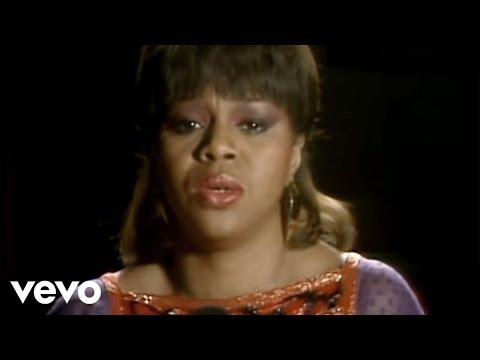
Picture a glittering discotheque in 1979, mirror balls turning and the dance floor packed with bodies moving as one. That was the golden moment of disco, and into it stepped Deniece Williams, a singer blessed with one of the most gorgeous voices in soul music. "I've Got The Next Dance" found her bringing her remarkable vocal gifts to the era's reigning sound, a shimmering, danceable celebration of romance and rhythm that showcased her elegant artistry on the floor.
A Voice of Rare Beauty
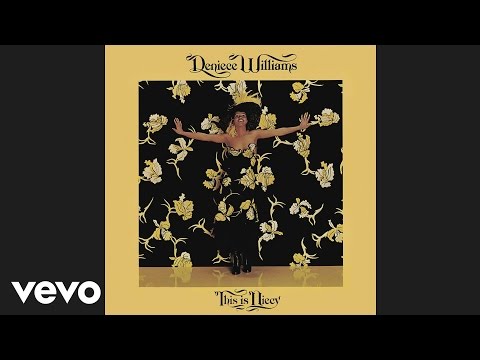
Deniece Williams had already established herself as a singer of extraordinary range and warmth. She possessed a soaring, crystalline soprano, capable of breathtaking high notes, and she had earned admiration both as a solo artist and as a backing vocalist for some of music's biggest names earlier in her career. By 1979 she was a respected soul star with a string of acclaimed recordings behind her. She had already scored a beloved hit duet with Johnny Mathis, demonstrating her gift for romantic material. As disco swept the nation, Williams brought her sophisticated voice to the dance floor, lending the genre a touch of genuine vocal class.
The Shimmer of Disco-Soul
"I've Got The Next Dance" captures the lush, danceable sound of late-1970s disco-soul. The arrangement glistens with strings, propulsive rhythm, and the glossy production that defined the era's club hits. Over that backdrop, Williams's voice soars with elegance and joy, bringing emotional warmth to the dance-floor setting. The song balances irresistible groove with genuine vocal artistry, a combination that set the best disco-soul apart from more anonymous club fare. It is music made for dancing, yet anchored by a singer of real depth and beauty. The result feels both celebratory and refined.
A Modest Chart Run
The single enjoyed a brief appearance on the pop chart, though it found warmer reception elsewhere. "I've Got The Next Dance" debuted on the Billboard Hot 100 on August 18, 1979 at number 89, then climbed gradually through late summer. It reached its peak of number 73 on September 8, 1979, and it spent five weeks on the Hot 100. While its pop showing was modest, the song fared considerably better on the R&B and dance charts, where Williams's audience embraced it most enthusiastically. It became a favorite among disco-soul fans, prized for its blend of groove and gorgeous singing.
Part of a Distinguished Career
This single belongs to a rich and varied career. Williams would later top the charts with the upbeat smash "Let's Hear It for the Boy" in the mid-1980s, and she went on to earn acclaim in gospel music as well. "I've Got The Next Dance" represents her graceful contribution to the disco era, a moment when she lent her exceptional voice to the dance floor without sacrificing her artistry. For fans of her work, it stands as a shimmering highlight of a remarkably versatile musical journey.
Why It Still Moves
Heard today, the song still glows with disco-era warmth and that unmistakable voice. The groove invites you to move, while Williams's singing lifts the whole thing skyward. Press play and let it carry you onto an imaginary dance floor, lights spinning overhead. So much disco was anonymous by design, built for the floor rather than the singer, which makes Williams's contribution all the more special. She brought a genuine vocalist's artistry to a genre that did not always demand it, elevating a dance record into something you could admire as well as move to. That combination of groove and grace is rare, and it is exactly what makes this track stand out from the era's countless club singles. It is a reminder that disco at its finest could be both joyous and genuinely beautiful.
"I've Got The Next Dance" — Deniece Williams's singular moment on the 1970s charts.
02 Song Meaning
The Meaning Behind "I've Got The Next Dance"
"I've Got The Next Dance" is a joyful celebration of romance discovered on the dance floor, the thrill of staking a claim to a special someone amid the music and lights. The lyric captures a moment of flirtatious confidence, the singer announcing her intention to share the next dance with the person who has caught her eye. It is a song about attraction, anticipation, and the magic of connection in the heart of a crowded room.
Claiming the Moment
The central theme is romantic confidence and desire. The narrator boldly declares her intention, refusing to let the moment or the person slip away. The title is a statement of romantic claim, a happy assertion of who she wants and when. There is no hesitation here, only the joyful certainty of someone ready to seize a chance at connection. It is flirtation at its most buoyant and self-assured.
The Dance Floor as Stage
The song treats the dance floor as a place of romance and possibility. The emotional tone is one of excitement and warmth, the giddy thrill of attraction set to an irresistible beat. The setting itself becomes a metaphor for the dance of courtship, the moving bodies and shared rhythm mirroring the give-and-take of new romance. The music and the message move together as one.
Romance in the Disco Era
Culturally, the song reflects the late-1970s world of the discotheque, where the dance floor served as a social hub and a stage for romance. Disco celebrated connection, glamour, and the joy of the night out, and this song fits that ethos perfectly. It speaks to a moment when going out dancing was central to social life, and when the club was where countless romances began.
Why It Resonated
The song connected because its sentiment is so universally appealing, the joy of attraction and the excitement of pursuing it. Williams delivered that joy with a voice of rare beauty, elevating a dance-floor flirtation into something genuinely lovely. The combination of an infectious groove and heartfelt singing gave the song lasting charm. It endures as a celebration of romance and rhythm, a reminder that the dance floor has always been one of the great theaters of the human heart. There is a refreshing confidence in the song's central gesture, the way the narrator claims what she wants without apology or hesitation. In an era when women's desire was not always given such joyful, direct expression in pop, that boldness carries its own quiet significance. The song lets its heroine drive the romance, pursuing rather than waiting, and that energy still feels invigorating. It endures because joy and confidence never go out of fashion.
→ More from Deniece Williams
View all Deniece Williams hits →


→ More from the 1970s File
View all 1970s hits →




Keep digging