The 1980s File Feature
French Kissin
Debbie Harry Beyond Blondie: "French Kissin" and the Solo Reinvention (1986) When Debbie Harry released "French Kissin" as a solo single in late 1986, she wa…
01 The Story
Debbie Harry Beyond Blondie: "French Kissin" and the Solo Reinvention (1986)
When Debbie Harry released "French Kissin" as a solo single in late 1986, she was navigating one of the more complicated periods of her career. Blondie, the band she had fronted through the critical new wave years of the late 1970s and early 1980s, had officially disbanded in 1982 after a period of commercial difficulties and personal tensions. Harry had been working on solo material in the interim, dealing simultaneously with creative challenges and the serious health crisis that her partner Chris Stein had experienced. The release of "French Kissin" on Geffen Records in November 1986 marked a renewed push to establish Harry as a commercial entity independent of her previous band identity.
The single entered the Billboard Hot 100 on November 22, 1986, debuting at number 98. It climbed steadily through eleven weeks on the chart, reaching its peak position of number 57 on January 10, 1987. The trajectory was characteristic of a mid-level pop hit finding its audience through consistent radio play rather than explosive initial impact, and the extended chart run indicated a genuine connection with listeners that the modest peak position might not fully convey.
The official title of the song is "French Kissin" without an apostrophe, a stylistic choice that reflected the deliberately playful and slightly irreverent aesthetic Harry had cultivated throughout her career. The absence of the apostrophe gave the title a colloquial informality that suited the song's tone, which balanced flirtatious suggestiveness with the kind of pop self-awareness that had always been one of Harry's most distinctive qualities as a performer.
The production was handled by the team assembled for Harry's Rockbird album, released in the same month as the single. The album represented a deliberate attempt to position Harry within the mainstream pop landscape of the mid-1980s, which was dominated by synthesizer-driven production aesthetics and the slick, high-gloss sound that defined commercial pop of the period. The production of "French Kissin" engaged fully with this aesthetic, featuring the synthesized textures and rhythmically driven arrangements that radio programmers of the era expected from commercially viable pop records.
Harry brought to the recording the same qualities that had made her one of the defining figures of the new wave era: an instinctive understanding of pop convention combined with a willingness to approach that convention with a degree of distance and wit that prevented her from being consumed by it. Her vocal delivery on "French Kissin" was knowing without being cold, playful without sacrificing the sense of genuine feeling that had always given her performances their emotional credibility. She was an artist who understood the codes of pop music well enough to use them with intelligence, and this song gave her ample opportunity to demonstrate that understanding.
The Geffen Records context was significant. The label, founded by David Geffen in 1980, had established itself as one of the more artistically ambitious major labels of the 1980s, with a roster that included Elton John, John Lennon and Yoko Ono, Donna Summer, and Joni Mitchell alongside more commercially oriented acts. Signing Harry to Geffen positioned her within a context that valued artistic credibility alongside commercial viability, a balance that suited her career profile well.
The song was also performed as part of Harry's appearance in the John Waters film Hairspray in 1988, though "French Kissin" itself was the earlier 1986 chart entry rather than a song from that film. The association with Waters, whose films had always celebrated the intersection of camp sensibility, pop culture, and subcultural energy, was natural given Harry's long-standing connections to the New York downtown art and music scenes that shared many of Waters' aesthetic commitments.
The pop chart landscape in late 1986 and early 1987 was dominated by artists including Whitney Houston, Bon Jovi, and Bruce Hornsby, alongside a range of acts reflecting the diverse commercial pop environment of the period. Harry's presence at number 57 in this company demonstrated that she retained genuine commercial appeal as a solo artist, even if the scale of that appeal was more modest than what Blondie had achieved at their commercial peak with "Call Me" and "Heart of Glass."
The "French Kissin" single remains a document of Harry's mid-career solo work, a period that has received less critical attention than either her Blondie years or her subsequent cultural canonization as a new wave icon. The recording demonstrates that Harry's gifts as a pop vocalist and as an interpreter of contemporary production aesthetics were not diminished by the transition from band to solo context, and that her understanding of what made pop music effective remained acute throughout a career that had already undergone multiple transformations. The song stood as evidence of an artist in full command of her craft, working within the conventions of commercial pop with the ease that comes from genuine mastery.
02 Song Meaning
Pop as Play: The Knowing Pleasure of Debbie Harry's "French Kissin"
Throughout her career with Blondie and as a solo artist, Debbie Harry maintained a particular relationship with the conventions of pop music: she engaged with them fully while simultaneously holding them at a slight ironic distance, using them with enough self-awareness to prevent the music from becoming merely generic. "French Kissin" is a clear expression of this quality, a song that embraces the pleasures of romantic physical attraction while treating its subject with a lightness that signals genuine sophistication rather than naivety.
The "French" modifier in the title does substantial cultural work. French kissing, as a term, carries associations with European sophistication, adult sexuality, and the transgressive thrill that American popular culture has long projected onto things French. By naming the song after this particular act, Harry was invoking a specific register of desire: not innocent or sentimental but experienced and slightly provocative, comfortable with the physical realities of adult attraction rather than confining them to the realm of implication. This was entirely consistent with the mode Harry had developed throughout her career, one that took female desire seriously and depicted it from the inside rather than from an observer's perspective.
The production aesthetic of the mid-1980s in which the song was embedded carried its own meanings. The synthesized textures and the rhythmically assertive arrangements of commercial pop in this period communicated a kind of contemporary urban energy that suited Harry's persona perfectly. She had always been associated with the city, with the particular textures of New York downtown culture, and the production of "French Kissin" placed her sensibility in an updated technological context without making her seem out of place in the current pop landscape.
Harry's vocal performance communicated a quality of enjoyment that was itself part of the song's meaning. She sounded like someone genuinely pleased by the subject she was singing about, not performing enthusiasm but experiencing it. This quality of authentic pleasure, distinguishable from manufactured excitement by the quality of ease that accompanied it, gave the recording a warmth that prevented the self-aware pop sophistication from tipping into coldness.
The song also reflected Harry's ongoing negotiation with the category of pop star, a role she had inhabited with particular distinction since Blondie's breakthrough in the late 1970s. For Harry, being a pop star was never simply a commercial category but an aesthetic one, a position that offered specific opportunities for cultural commentary and for the kind of knowing engagement with pop convention that her sensibility demanded. "French Kissin" was pop about the pleasures of pop, a record that understood its own nature and was honest about what it was offering.
In the broader context of her solo career, the song represented Harry's willingness to pursue the pleasures of pop on her own terms, without the band context that had provided the platform for her initial success. The result was a recording that captured both her confidence as a solo performer and her continuing ability to make the conventions of commercial pop feel personal and specific. The enjoyment embedded in the song extended outward to the listener, an invitation to participate in the pleasure that Harry was clearly finding in the material. That quality of invitation, of shared pleasure rather than spectacle, was one of her defining gifts as a pop artist.
→ More from Debbie Harry
View all Debbie Harry hits →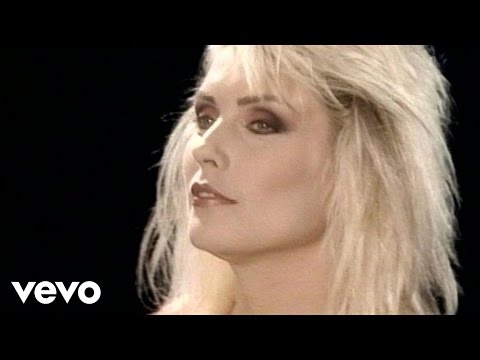

→ More from the 1980s File
View all 1980s hits →
Keep digging