The 1980s File Feature
Backfired
Debbie Harry Steps Out Solo on Backfired It is the summer of 1981, and the woman who spent the late 1970s as the coolest face in New York is making a bold ga…
01 The Story
Debbie Harry Steps Out Solo on "Backfired"
It is the summer of 1981, and the woman who spent the late 1970s as the coolest face in New York is making a bold gamble. Blondie sat at the absolute peak of its powers, and yet here was Debbie Harry, the band's platinum-blonde icon, stepping away from her group to release a record under her own name. The single was "Backfired," and its very title carried a wink of self-awareness. When it landed on the Billboard Hot 100, it told a story about how hard it is to walk out of the shadow of a phenomenon you helped create.
The Most Famous Face in New Wave
By 1981, Blondie had conquered everything in sight. The band had ridden disco, punk energy, reggae, and rap into a string of chart-topping singles, and Debbie Harry's image was plastered across magazine covers around the world. She was the rare frontwoman who was both an underground darling and a mainstream sensation. Stepping into a solo project at that moment was a genuine risk. Fans adored Blondie as a unit, and any record bearing only Harry's name invited the inevitable comparison to the hits she had already delivered with her bandmates.
A Funk-Forward Detour
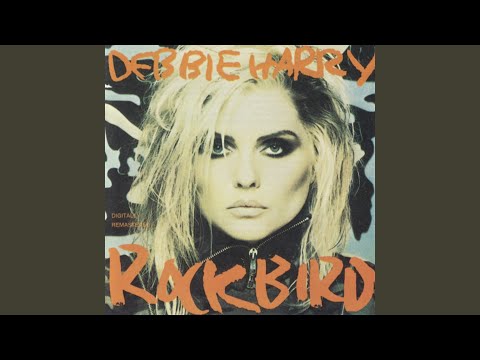
For her debut solo album KooKoo, Harry teamed with the production duo Nile Rodgers and Bernard Edwards of Chic, the architects of some of the era's slickest dance-floor grooves. "Backfired" carried their fingerprints: a funk-leaning rhythm, a sleek and slightly off-kilter arrangement, and a sound that pushed Harry away from new-wave pop toward something cooler and more rhythmic. The album's startling cover art, designed by H.R. Giger with long needles seeming to pierce Harry's face, signaled that this was meant to be an artistic statement rather than a safe commercial play. The whole package was deliberately strange and forward-looking. The album KooKoo was released in 1981 as Harry's first solo record, and everything about it signaled an artist eager to surprise rather than reassure.
Stepping Out of the Band's Shadow
There is a particular kind of pressure that comes with being the recognizable face of a group, and Harry felt it acutely in 1981. Blondie had become so identified with her image that many casual fans assumed she was the entire band, a misconception the group's own marketing had once played with. A solo record forced a reckoning with that confusion. Could the public separate the singer from the machine that had produced all those hits? "Backfired" was the opening argument in that case, a deliberate attempt to show a different side of her artistry. It leaned into funk and rhythm rather than the punchy new-wave hooks that had made Blondie famous, and it asked listeners to follow her somewhere less familiar. That was a brave request to make of an audience accustomed to instant gratification.
A Slow Climb to Number 43
The chart run tells the tale of a record that fought for every inch. "Backfired" debuted at number 75 on August 15, 1981, and it climbed steadily week after week, moving to 65, then 55, then 48, then 44. It finally peaked at number 43 on September 19, 1981, and held a respectable run of ten weeks on the Billboard Hot 100. For most artists, a top-50 single would be a triumph. Measured against Blondie's recent run of number ones, though, the modest peak felt like proof of just how much of the band's magic depended on the full lineup rather than any single member.
A Brave Swing Worth Remembering
History has been kinder to KooKoo than the charts were in 1981. The album is now viewed as a fascinating, fearless detour, a snapshot of a superstar refusing to simply repeat herself. Harry would return to Blondie, and she would keep reinventing herself across the decades as both a singer and an actress. "Backfired" stands as the opening shot of her solo identity, a reminder that even the most beloved icons sometimes have to stumble in public before finding their footing again.
Give it a spin and hear an icon taking a chance: Debbie Harry stepping out alone, chasing a groove that was years ahead of the radio. Press play and listen to the sound of a star betting on herself.
"Backfired" — Debbie Harry's singular moment on the 1980s charts.
02 Song Meaning
The Meaning Behind Debbie Harry's "Backfired"
There is a knowing irony baked into "Backfired" from its title onward. The song plays as a tale of schemes gone wrong, of plans that twist back on the person who hatched them, delivered with the cool detachment that always defined Debbie Harry's vocal style. Underneath the funk groove sits a wry meditation on consequence and the way ambition can boomerang.
A Story of Plans Gone Sideways
The lyric, in spirit, circles around the idea of a calculated move that collapses on itself. The central theme is the recoil of bad intentions, the moment a clever plan rebounds and burns the schemer instead of the target. Harry delivers it with a flat, almost amused cool, never pleading, which gives the song its sly edge. There is no melodrama here, only the shrug of someone watching a plot unravel.
Cool Detachment as Attitude
What sells the meaning is the performance more than any single image in the words. Harry built her reputation on a kind of icy poise, a way of singing about chaos without ever losing her composure. That detachment becomes the song's emotional message: stay unbothered, watch the wreckage, keep your sunglasses on. It is an attitude that ran straight through the new-wave and post-punk world she helped define.
The Sound of a New Decade
Released in 1981, "Backfired" arrived as the slick, danceable side of new wave was reshaping radio. The Chic-flavored production placed Harry inside the early-eighties shift toward funk-inflected pop and the dance floor. The track reflects an era obsessed with style, surface, and groove, where cool was its own statement. The song's chilly confidence fit a moment when downtown New York was exporting its attitude to the world. The funk-forward groove placed her squarely in conversation with the dance music reshaping nightlife, even as the lyric kept one eyebrow permanently raised.
The Allure of the Antiheroine
Part of what made Harry such a compelling figure was her refusal to play the wounded victim of pop tradition. The song positions her as a knowing observer rather than a casualty, someone who narrates trouble from a safe, amused distance. That stance gave women in her audience a different model, a way of moving through romantic chaos without surrendering their cool. The meaning, in that sense, is partly about control, about keeping your composure when the plot goes sideways.
Why It Connected
For listeners, the appeal lay in hearing a beloved frontwoman explore a darker, funkier register. The song rewarded fans who wanted Harry to be more than a pop pin-up, offering wit, groove, and a hint of menace. It was a record for people who liked their pop with a raised eyebrow.
A Lasting Curiosity
Decades later, the track endures as a portrait of an artist refusing to be predictable. Its meaning resonates because everyone has watched a scheme curdle, and few singers could narrate that collapse with such effortless cool. The song lingers as proof that Harry's charisma never depended on a happy ending.
→ More from Debbie Harry
View all Debbie Harry hits →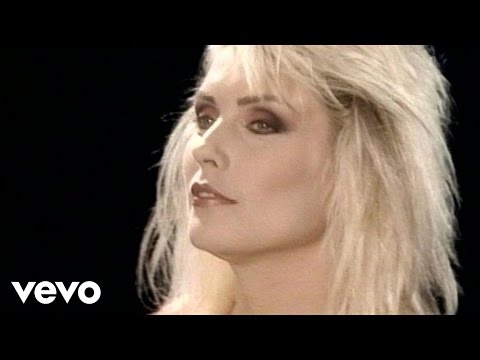
→ More from the 1980s File
View all 1980s hits →

Keep digging