The 1970s File Feature
Brother's Gonna Work It Out
Brother's Gonna Work It Out — Willie Hutch (1973) Note: This article concerns "Brother's Gonna Work It Out" by Willie Hutch, from the 1973 Motown blaxploitat…
01 The Story
Brother's Gonna Work It Out — Willie Hutch (1973)
Note: This article concerns "Brother's Gonna Work It Out" by Willie Hutch, from the 1973 Motown blaxploitation soundtrack to The Mack. It is distinct from Public Enemy's 1990 track of a similar name.
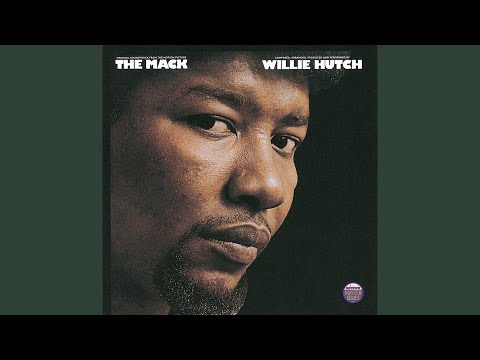
Willie Hutch's "Brother's Gonna Work It Out" arrived at a specific intersection of cultural, commercial, and artistic forces that made it one of the more interesting products of the blaxploitation era in American cinema and music. The song appeared on the soundtrack to The Mack, a 1973 film about a pimp operating in Oakland, California, that became one of the defining titles of the blaxploitation genre. Motown Records, which distributed the soundtrack, had been navigating its own complex relationship with socially conscious Black music during this period, and the Hutch commission for The Mack represented part of that navigation.
Willie Hutch, born Willie McKinley Hutchison, was a songwriter, producer, and performer who had built a reputation within the Motown ecosystem during the late 1960s and early 1970s. He had contributed to some of the label's most significant projects, including work that helped shape the Jackson 5's early Motown sound, but "Brother's Gonna Work It Out" represented a different kind of creative opportunity: a full soundtrack commission that gave him the freedom to develop a cohesive sonic vision in service of a specific visual and narrative world.
The title track and surrounding material on The Mack soundtrack drew on the same wellspring of 1970s soul, funk, and orchestral arrangements that was producing landmark work from artists like Isaac Hayes and Curtis Mayfield during the same period. Hayes's Shaft soundtrack in 1971 and Mayfield's Superfly in 1972 had established the commercial and artistic template for the blaxploitation soundtrack as a serious musical form, not merely functional score music but a standalone artistic and commercial product. Hutch was working in that established tradition while bringing his own specific sensibility to the material.
"Brother's Gonna Work It Out" is driven by the affirmative energy and communal solidarity rhetoric that characterized much of the Black consciousness-inflected music of the early 1970s. The title itself makes a declaration of determination and collective agency, situating the song within the tradition of Black empowerment messaging that ran through soul and funk from the late 1960s into the mid-1970s. That messaging existed in productive tension with the setting of the film itself, which dealt with street-level criminal enterprise in ways that complicated simple affirmative narratives.
The production on the track is characteristic of Hutch's approach during this period: tight, groove-oriented arrangements with horn accents and rhythmic momentum that drew from both the Motown tradition and the rawer funk aesthetic that was emerging from artists outside the Motown stable. Hutch was working within a mainstream Black music infrastructure while incorporating the sonic energy of a more street-level artistic sensibility, a balance that suited the specific cultural product he was scoring.
The commercial performance of The Mack soundtrack was respectable within the blaxploitation genre market, which had developed a reliable consumer base by 1973. The film itself was a significant box office success, particularly within Black urban audiences, and the soundtrack benefited from that theatrical success. Motown's distribution infrastructure ensured that the album reached retail channels effectively, and individual tracks from the project found play on Black radio stations of the period.
The cultural footprint of "Brother's Gonna Work It Out" has proved more durable than many blaxploitation-era recordings. The track has been sampled and referenced in subsequent decades, most notably when its title was echoed by Public Enemy in 1990, though the relationship between the tracks is one of cultural resonance rather than direct musical borrowing. The affirmative energy and communal focus of Hutch's original has remained available for redeployment across different contexts and generations, which is one measure of a song's fundamental vitality as a piece of music and cultural statement.
Willie Hutch's contribution to the blaxploitation soundtrack tradition has received increasing critical attention as scholars and music historians have reassessed the genre from the 1990s onward. His work on The Mack is now recognized as one of the more musically substantial entries in a genre that produced a remarkable amount of high-quality music alongside its more disposable commercial product.
02 Song Meaning
The Meaning Behind "Brother's Gonna Work It Out" by Willie Hutch
Note: This article concerns the Willie Hutch song from the 1973 The Mack soundtrack, not the Public Enemy track of similar title.
"Brother's Gonna Work It Out" operates on at least two registers simultaneously, which is part of what makes it more interesting as a cultural artifact than many blaxploitation-era recordings that settled for a single, uncomplicated level of meaning. On the surface, the song is a declaration of determination and agency, a statement that the speaker and those he represents will find a way to succeed through their own effort and will. That message connects the track to the broader tradition of affirmative Black empowerment rhetoric that ran through soul and funk music from James Brown's declarative anthems through the more sophisticated political content of the early-1970s socially conscious soul tradition.
But the context in which Hutch was making this statement matters considerably. The Mack was a film set in the world of Oakland street culture, a world characterized by exploitation, hierarchy, and survival strategies that existed outside of conventional social structures. Placing a song of determined affirmation within that context creates a productive ambiguity: whose agency is being declared, toward what ends, and within which value system? The song does not resolve these questions, and that refusal to resolve them is itself meaningful.
Willie Hutch's musical approach to this thematic content drew on the gospel-rooted tradition of soul music, where affirmation and communal solidarity had long been expressed through specific musical gestures: call-and-response structures, rhythmic momentum that creates a sense of collective forward movement, and arrangements that situate the individual voice within a larger sonic community. These are not incidental choices but deliberate invocations of a tradition that carried enormous emotional and cultural weight for the audience the song was addressing.
The word "brother" in the title functions as both a specific address and a general invocation. It is specific in that it speaks to a particular community with shared experience and identity. It is general in that it extends the circle of solidarity beyond any individual listener to encompass a collective. This dual function is characteristic of the best Black popular music of the period, which consistently operated at both personal and political levels without sacrificing the emotional directness that made it work as popular entertainment.
The phrase "work it out" similarly carries multiple meanings. It references the practical problem-solving required to survive and advance in a world that was structurally hostile to Black aspiration. It also references the musical tradition of the phrase itself, which had been used in funk and soul contexts to describe the act of bringing a musical groove to its full realization, of letting a piece of music find its complete expression. The layering of these meanings creates a track that operates as both social commentary and musical celebration simultaneously.
The song's durability across subsequent decades reflects the fact that its core message, that a community's collective determination is its most powerful resource, has remained relevant long after the specific blaxploitation era context in which it was created has receded into cultural history. The fact that Public Enemy chose to echo the song's title in 1990, in a very different musical and political context, is evidence that the affirmative energy Hutch encoded in his original remained available for redeployment by subsequent generations of Black artists seeking to make similar statements.
Within the context of Willie Hutch's career, the song represents his ability to work at the intersection of commercial entertainment and cultural statement, to make music that functioned effectively within the marketplace of the blaxploitation genre while carrying genuine artistic and political content. That intersection was rarely easy to navigate in 1973, and the quality of the result is a measure of Hutch's skill as both a craftsman and a culturally embedded artist who understood the world his music was entering and what it needed to say within that world.
→ More from Willie Hutch
View all Willie Hutch hits →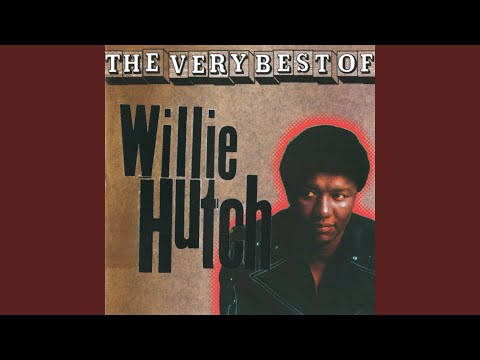
→ More from the 1970s File
View all 1970s hits →




Keep digging