The 1970s File Feature
Daddy Don't You Walk So Fast
Wayne Newton's Tender Comeback with Daddy Don't You Walk So Fast By 1972, Wayne Newton was already a Las Vegas institution, the boyish entertainer with the s…
01 The Story
Wayne Newton's Tender Comeback with "Daddy Don't You Walk So Fast"
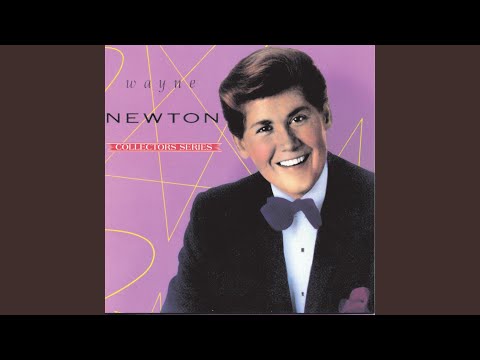
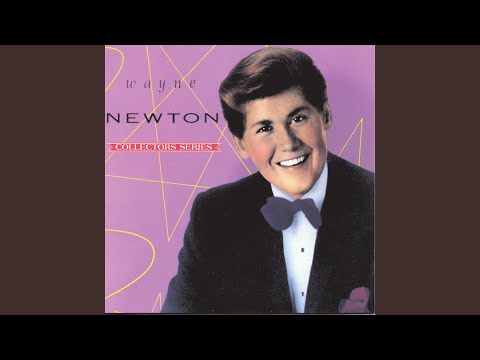
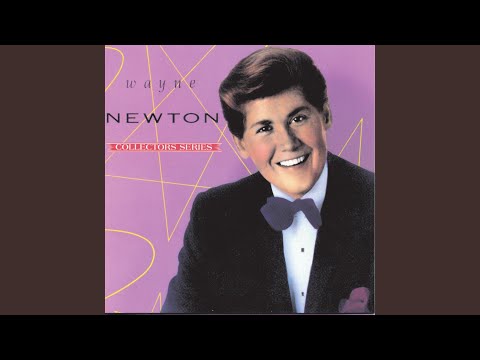
By 1972, Wayne Newton was already a Las Vegas institution, the boyish entertainer with the soaring voice who could fill a showroom on his name alone. What he hadn't done in years was land a major hit on the pop charts. Then came a sentimental story-song about a father, a child, and a second chance, and suddenly Newton was back on the radio in a big way. It was the kind of comeback that reminds you a stage star and a recording star are not always the same animal, and that sometimes the right song can bridge the two.
The Vegas Star Seeks the Charts
Newton's career had taken an unusual shape. He'd scored an early hit with "Danke Schoen" back in 1963, then settled into life as one of the strip's most reliable headliners, beloved by audiences but somewhat detached from the pop mainstream. By the early seventies, the question hanging over him was whether he could connect with record buyers again, not just ticket buyers. The world of pop radio had moved on through psychedelia, soul, and the singer-songwriter boom, and a clean-cut Vegas crooner might have seemed out of step. "Daddy Don't You Walk So Fast" answered emphatically that there was still a wide audience for unabashed sentiment.
A Story Song With a Sting
The record belongs to a grand tradition of narrative pop, the kind that tells a complete little drama in three minutes. Its scene is domestic and aching: a child calling out to a father walking away, and the parent hearing in those words an echo of his own impulse to leave a marriage. It's a sentimental setup, unabashedly so, and Newton sells it with full-hearted sincerity. The song had been a hit in Britain first, but it was Newton's version that conquered America. His delivery leans into the emotion without irony or distance, which is precisely why it landed so hard with listeners who wanted to be moved.
A Long, Steady Climb to the Top Five
This was no quick flash. The single debuted on the Billboard Hot 100 on April 22, 1972, entering all the way down at number 100, then mounted a patient, weeks-long climb. It finally peaked at number 4 on August 5, 1972, and stuck around for an impressive 20 weeks on the Hot 100. That kind of endurance marks a record that audiences genuinely embraced rather than a momentary fad. It became Newton's biggest pop hit by a wide margin, the record that proved his appeal could extend well beyond the casino showroom and onto the nation's airwaves.
A Highlight in a Long Career
For an entertainer whose legacy rests mostly on the stage, this song stands as a rare and resounding chart triumph, a reminder that beneath the showroom glitz was a singer who could deliver genuine emotion. Newton would go on performing for decades, "Mr. Las Vegas" himself, a fixture of the strip whose name became synonymous with the city's entertainment. But this tender ballad remains the recording that proved he could still own the radio, the one moment when his showroom magic translated fully into a hit single that millions took home.
Sentiment That Refused to Apologize
Part of what makes the record memorable is its complete lack of cynicism. In an era when much of pop was growing more sophisticated and self-aware, Newton offered something openly, almost defiantly emotional. He trusted that listeners still wanted a good cry set to music, and he was right. That willingness to wear its heart on its sleeve is exactly what has kept the song alive in the memories of those who grew up hearing it.
Give it a listen and let that earnest voice tug at you. It's a small heartbreak built to last three minutes.
"Daddy Don't You Walk So Fast" — Wayne Newton's singular moment on the 1970s charts.
02 Song Meaning
The Emotional Core of "Daddy Don't You Walk So Fast"
Some songs work because they're clever. This one works because it goes straight for the most vulnerable spot in a parent's heart. Its meaning isn't hidden in metaphor; it sits right on the surface, plain and devastating, and that directness is the whole source of its power.
A Child's Plea, a Parent's Reckoning
The lyrics build around a small, piercing moment: a young child running after a parent, calling out not to walk so fast. On its face it's an everyday scene. Within the song, it becomes a turning point, because the father hears in that plea a mirror of his own urge to walk away from the family entirely. The child's innocent words stop him cold. It is a masterful piece of narrative compression, turning a tiny domestic instant into a moment of moral decision.
The Weight of Staying
What the song really explores is the choice between leaving and staying, and the way love for a child can anchor a wavering adult. The narrator is a man on the edge of a decision he might regret, and it's the smallest voice in the house that pulls him back. The theme of family loyalty overriding personal restlessness gives the song its emotional punch. The lyric understands that the hardest commitments are often the quiet, daily ones, and that they can hinge on the most ordinary of moments.
Sentiment in the Early Seventies
The early 1970s had a healthy appetite for this kind of openly emotional storytelling on the radio. Narrative ballads about families, hardship, and redemption found a wide audience in an era processing plenty of social upheaval, when many listeners craved music that affirmed traditional bonds. Wayne Newton's earnest delivery matched the moment, offering warmth and reassurance rather than irony. The song spoke to anxieties about families coming apart at a time when the culture itself felt increasingly unsettled.
Why It Touched So Many
The reason the song connected with millions is that it tapped a near-universal fear and hope at once: the fear of a family coming apart, the hope that love might hold it together. Parents heard their own anxieties in it; children heard their own small power to matter. That direct emotional line, drawn without apology, is exactly why the record climbed so high and stayed so long. It asked nothing of the listener except the willingness to feel, and that simple invitation proved irresistible. Songs that aim straight for the heart risk seeming manipulative, yet this one earns its tears through the sheer clarity of its situation. A parent on the verge of leaving, a child who unknowingly calls him back: the scene needs no embellishment to land, and Newton's plainspoken sincerity ensures it never feels cheap. That is why, decades later, it can still bring a lump to the throat.
→ More from Wayne Newton
View all Wayne Newton hits →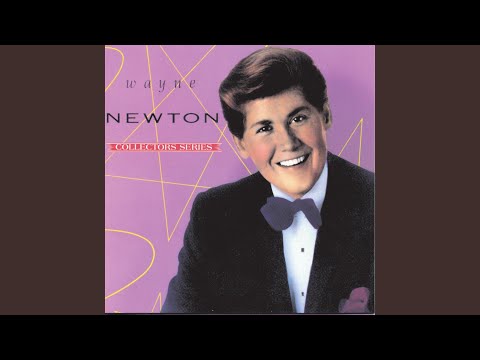
→ More from the 1970s File
View all 1970s hits →




Keep digging