The 1960s File Feature
Summer Wind
Summer Wind - Wayne Newton In August of 1965, as British Invasion guitars dominated American radio, a young Las Vegas entertainer already known for his power…
01 The Story
Summer Wind - Wayne Newton
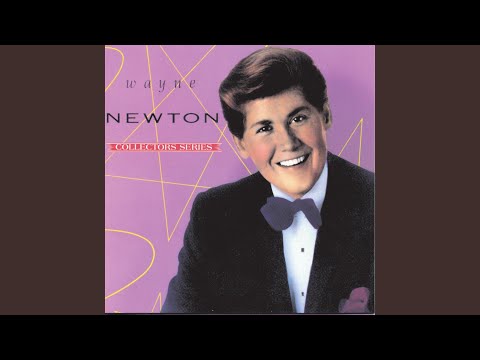
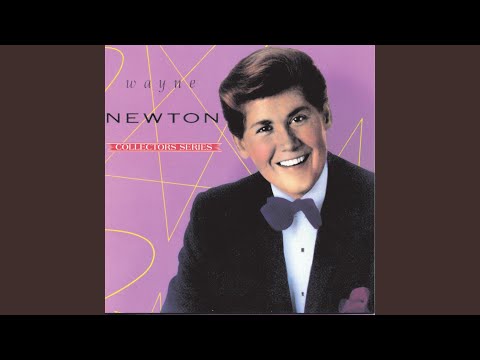
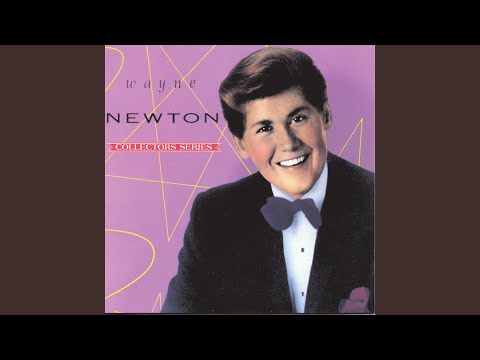
In August of 1965, as British Invasion guitars dominated American radio, a young Las Vegas entertainer already known for his powerful, versatile voice released his own reading of a song that would soon become far more closely associated with another singer entirely. Wayne Newton's version of Summer Wind arrived months before Frank Sinatra's now-definitive recording, a reminder that hit songs sometimes travel unpredictable paths before settling into their most famous form.
A Vegas Star Reaching for Pop Radio
By 1965, Newton had already built a substantial following through his residency performances and television appearances, a young singer whose vocal range and showmanship made him a natural fit for the sweeping, orchestral pop still finding an audience even as rock increasingly dominated the charts. His version of Summer Wind arrived as an attempt to translate that stage presence onto record, leaning into lush orchestration and a confident, full-voiced delivery that showcased his considerable vocal power. It was a calculated bet that the sophisticated pop audience still buying records by crooners and orchestral vocalists would embrace a younger performer working comfortably within that same tradition.
Newton had spent years honing his stagecraft in Las Vegas showrooms, developing a reputation for effortlessly switching between uptempo showstoppers and tender ballads within a single set. That range served him well when tackling a composition as emotionally layered as this one, a song that rewarded a singer capable of both power and restraint within the same performance.
A Modest But Real Chart Presence
The single debuted on the Billboard Hot 100 dated August 7, 1965, entering at position 100, the very bottom of the chart and a sign of just how competitive the pop landscape had become. It climbed steadily over the following weeks, moving to 85 and then 80, eventually reaching its peak position of number 78, dated August 28, 1965, a modest showing that nonetheless represented genuine, if limited, commercial traction for the song's German-by-way-of-American origins translated into English lyrics.
A Song With European Roots
The melody originated with German composer Henry Mayer, later fitted with English lyrics by Johnny Mercer, one of the most celebrated lyricists in American popular song. That pedigree gave the composition real craft and sophistication, a melody built for the kind of expansive, romantic vocal performance that singers like Newton specialized in delivering. The song's structure, built around sweeping verses evoking a seasonal romance now passed, offered exactly the kind of material suited to a big, theatrical voice.
Overshadowed by a Legendary Rival Version
Just weeks after Newton's version reached its chart peak, Frank Sinatra released his own recording of the song, backed by a Nelson Riddle arrangement that would go on to become one of the definitive vocal performances of Sinatra's later career. That competing release inevitably overshadowed Newton's earlier recording, a common fate for artists whose versions of a song arrive just before a more commercially dominant rival interpretation claims the spotlight for good.
Four Weeks That Still Mattered
Though brief, the song's four-week run on the Hot 100 demonstrated that Newton's vocal instincts translated genuinely well to recorded pop music, not just live performance. That chart presence, however modest by the standards of the era's biggest hits, offered real validation for a young performer still working to establish himself as more than simply a talented live entertainer confined to nightclub stages. It proved his voice could carry a nationally distributed single, a meaningful stepping stone even if the song's ultimate commercial fate would soon belong to someone else entirely.
A Footnote With Its Own Quiet Charm
Today, Newton's recording survives mostly as a historical curiosity, overshadowed by Sinatra's towering interpretation but interesting in its own right as an earlier, less celebrated take on the same enduring melody. It offers a glimpse of a young performer testing his range against sophisticated orchestral pop material, years before he would become one of Las Vegas's most enduring entertainment institutions, a career that would eventually span decades and outlast most of the pop trends swirling around him in 1965.
Give it a listen alongside its more famous successor, and you'll hear two very different vocal personalities finding their own way through the same wistful melody.
"Summer Wind" — Wayne Newton's singular moment on the 1960s charts.
02 Song Meaning
Summer Wind - Wayne Newton
At its heart, this is a song of wistful nostalgia, a narrator looking back on a romance that bloomed and faded with the passing of a single season, using the imagery of wind and changing weather as a metaphor for love's inevitable transience.
Nature as an Emotional Timekeeper
The lyric leans heavily on natural imagery, wind, summer, and the turning of seasons, to mark the passage of the relationship being described. That reliance on nature as metaphor gives the song a timeless, almost classical quality, treating romantic loss as something as inevitable and cyclical as the changing of seasons rather than a sudden, dramatic rupture between two people.
Acceptance Rather Than Anguish
Unlike many songs about lost love that dwell in anger or desperate longing, this lyric settles into a gentler, more accepting tone, treating the end of the romance as bittersweet rather than devastating. That emotional restraint suited the sophisticated pop balladry of the mid-1960s well, favoring wistful reflection over the more raw emotional expression common in rock and roll of the same period.
A Vocal Performance Built for Longing
Newton's powerful, theatrical delivery brings genuine warmth to the lyric's nostalgic sentiment, treating the song's wistfulness with the same full-voiced commitment he brought to more upbeat, celebratory material. That vocal conviction gave even a fairly gentle lyric real emotional weight, ensuring the song never drifted into pure background listening despite its relatively soft, reflective subject matter.
Seasonal Romance as Universal Experience
The specific image of a summer romance that fades with the season taps into a widely shared cultural experience, the fleeting nature of vacation-adjacent or youthful romances that don't survive changing circumstances. That universal familiarity helped the song resonate broadly, offering listeners an easy point of emotional identification regardless of their own specific romantic histories. Whether the memory belonged to a beachside courtship or something entirely different, the underlying feeling of watching warmth inevitably give way to cooler, more distant emotional weather translated easily across countless individual listener experiences.
Craft Over Raw Emotion
Written by accomplished professionals working within a well-established tradition of sophisticated American popular song, the lyric favors elegant, controlled imagery over raw emotional outburst. That careful craftsmanship reflects the broader Tin Pan Alley and Great American Songbook tradition the song draws from, prioritizing polish and universal appeal over the confessional intensity increasingly favored by rock songwriters during the same period.
A Melody Built to Outlast Any Single Recording
Ultimately, the song's meaning rests less on any single interpretation and more on the strength of its underlying melody and lyric, sturdy enough to support multiple distinct vocal approaches across different recordings. Newton's version, though eventually overshadowed commercially, still captures the song's essential wistfulness with real conviction, proof that strong songwriting can accommodate more than one memorable interpretation without losing its emotional core along the way, regardless of which voice happens to be carrying it at a given moment.
"Summer Wind" — Wayne Newton's singular moment on the 1960s charts.
→ More from Wayne Newton
View all Wayne Newton hits →

→ More from the 1960s File
View all 1960s hits →




Keep digging