The 1970s File Feature
Real Man
The Wry Statement Real Man by Todd Rundgren Step into the mid-1970s, a wildly inventive moment in rock when studio wizards were pushing the boundaries of wha…
01 The Story
The Wry Statement "Real Man" by Todd Rundgren
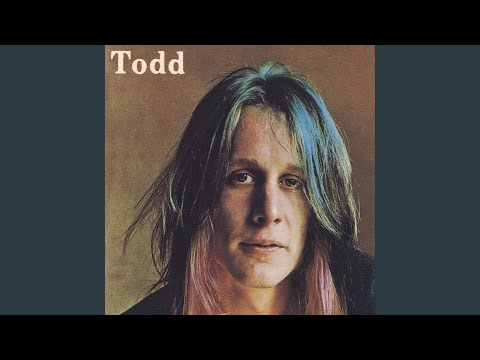
Step into the mid-1970s, a wildly inventive moment in rock when studio wizards were pushing the boundaries of what a single artist could create alone. The era prized virtuosity and experimentation, and few embodied that adventurous spirit more fully than Todd Rundgren. A producer, songwriter, multi-instrumentalist, and restless innovator, he could craft lush pop one moment and dive into knotty art rock the next. This track captured his sharp, self-aware sensibility as he continued to chart his own idiosyncratic course.
A Studio Visionary at Work
By 1975 Todd Rundgren had firmly established himself as one of rock's most gifted and unpredictable figures. He was already celebrated both as a solo artist and as an in-demand producer, a reputation built on his mastery of the recording studio and his refusal to repeat himself. He moved easily between accessible, melodic pop and more experimental territory, never content to settle into a single mode. This song arrived during that prolific and creatively fearless period, an example of his ability to blend craft and personality into something distinctly his own.
A Catchy, Self-Aware Rocker
The recording showcases Rundgren's knack for combining a strong melodic hook with a knowing, slightly wry sensibility. The title points toward themes of masculinity and self-definition, delivered with the kind of intelligence and subtle humor that distinguished his best work. The production reflects his studio expertise, polished yet full of personality, with arrangements that reward close listening. It is a song that works as immediate pop while carrying a thoughtful edge beneath the surface, a balance Rundgren managed better than almost anyone.
A Brief Appearance on the Hot 100
The chart story here is short. The song debuted at number 90 on the Billboard Hot 100 dated April 26, 1975, entering modestly. It edged upward over the following weeks, climbing to number 84 and then to number 83. The single peaked at number 83 during the week of May 10, 1975, which marked the ceiling of its chart run. The record spent just three weeks on the Billboard Hot 100, a fleeting appearance that reflected Rundgren's status as a cult favorite and critical darling rather than a consistent mainstream chart force during this stretch of his career.
A Piece of an Eclectic Legacy
This song occupies a place within Todd Rundgren's vast and varied catalog, one entry in a body of work celebrated for its ambition and range. While it was not a major chart triumph, it captures the wit, craft, and individuality that define his artistry. For admirers of Rundgren's work, it offers another glimpse of a singular talent who always followed his own creative compass. The track stands as a small but characteristic piece of a legacy built on fearless invention and uncommon musical intelligence.
The Cult Hero's Place on the Chart
The brief chart life of this single says less about its quality than about the particular kind of artist Todd Rundgren was. Throughout his career he occupied a fascinating space, beloved by critics and fellow musicians, capable of crafting flawless pop, yet never quite a consistent fixture in the upper reaches of the Hot 100. He was, in the truest sense, a cult hero, an artist whose influence and reputation far exceeded his raw commercial numbers. Part of this came from his restless refusal to settle into a reliable formula. Just as audiences might warm to one sound, he would pivot toward something stranger or more ambitious, prizing his own creative curiosity over the demands of the marketplace. That independence made him a hero to those who valued artistry and invention, even as it kept him from the kind of sustained chart dominance enjoyed by less adventurous peers. A modest three-week run on the Hot 100 was, in many ways, entirely characteristic. The real measure of an artist like Rundgren lies not in any single chart position but in the breadth and daring of his catalog, and in the devotion of the listeners who recognized that they were following one of rock's genuine originals wherever his imagination chose to lead.
Dig into this clever, melodic gem, let Rundgren's craft reveal itself, and enjoy a true studio original. Press play and listen close.
"Real Man" — Todd Rundgren's singular moment on the 1970s charts.
02 Song Meaning
Inside the Meaning of "Real Man" by Todd Rundgren
This is a song that grapples with masculinity and authentic self-definition, delivered with Todd Rundgren's characteristic intelligence and subtle wit. Rather than offering easy answers, it explores what it actually means to be genuine and true to oneself, probing ideas of identity with a knowing, thoughtful edge. It is pop music with something on its mind.
Questioning What Is Real
The lyrics engage with notions of authenticity and what it means to be a complete, genuine person. The central theme is self-definition and the search for authenticity, a meditation on identity that resists clichs about toughness or bravado. Rundgren approaches the subject with nuance, suggesting that real strength lies in honesty with oneself rather than in any outward posture. The song invites listeners to think about how they define themselves and what genuine character truly involves.
Intelligence With a Light Touch
The artistic message reflects Rundgren's gift for pairing serious ideas with accessible, melodic music. The song balances thoughtful reflection with a wry, self-aware sensibility, never lecturing but always thinking. This intellectual yet approachable quality was a hallmark of his work, and it gives the track depth beneath its catchy surface. He trusted listeners to catch the wit and the substance, rewarding those who paid attention with more than just a hook.
A Reflective Voice in 1970s Rock
The mid-1970s rock landscape prized both virtuosity and personal expression, with artists exploring identity and ideas in increasingly sophisticated ways. The song reflects an era when rock could be both clever and introspective, blending craft with genuine thought. Rundgren occupied a respected niche as an artist who valued intelligence and individuality, and this track embodies that sensibility. It captures a moment when pop and rock had room for songs that asked real questions.
Why It Connected
The song appealed to listeners who appreciated music with both melody and meaning. Rundgren's devoted following valued exactly this combination of craft, wit, and substance, and the song's exploration of authenticity offered something to think about as well as enjoy. The theme of staying true to oneself is timeless and broadly relatable, giving the track resonance beyond its modest chart showing. That blend of intelligence and accessibility is why Rundgren's admirers continue to treasure his work. In an age that often rewarded easy posturing, the song's quiet insistence on genuine self-knowledge feels both refreshing and characteristic, a small example of why so many listeners came to regard Rundgren as one of rock's most thoughtful and rewarding voices. The question of what it truly means to be authentic never goes out of style, and by approaching it with wit rather than bombast, Rundgren created a song that continues to reward anyone who values substance alongside a sturdy, satisfying melody.
→ More from Todd Rundgren
View all Todd Rundgren hits →
→ More from the 1970s File
View all 1970s hits →




Keep digging