The 1970s File Feature
Good Vibrations
Good Vibrations: Todd Rundgren's Faithful Beach Boys Tribute Some songs become so thoroughly embedded in the popular imagination that covering them at all fe…
01 The Story
Good Vibrations: Todd Rundgren's Faithful Beach Boys Tribute
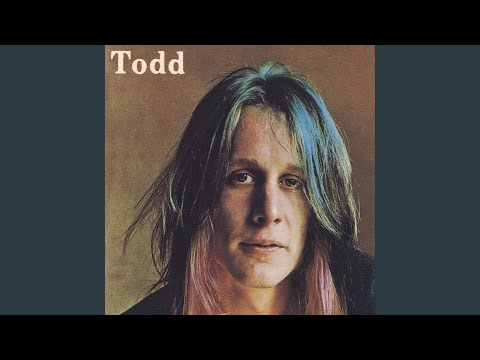
Some songs become so thoroughly embedded in the popular imagination that covering them at all feels like an act of considerable artistic courage. Covering a song as universally beloved and technically revolutionary as the Beach Boys' "Good Vibrations" requires a particular kind of confidence, an artist secure enough in their own musical identity to approach a landmark recording without either slavish imitation or unnecessary reinvention for its own sake. Todd Rundgren, already established as one of the era's most technically gifted and idiosyncratic studio auteurs, brought exactly that confidence to his own 1976 rendition, a genuine hit that reintroduced Brian Wilson's masterpiece to a new decade of radio listeners.
A Studio Wizard Tackling a Studio Landmark
Few artists of the era possessed both the technical chops and the sheer nerve required to approach this particular song at all. By 1976, Todd Rundgren had built a formidable reputation as both a gifted singer-songwriter and an unusually accomplished studio producer and multi-instrumentalist, someone equally comfortable crafting his own idiosyncratic pop songs and engineering ambitious, layered productions for other artists. Approaching "Good Vibrations," a song widely regarded as one of the most technically complex and painstakingly assembled pop recordings ever made, represented a genuine creative challenge, one requiring both deep technical skill and real interpretive judgment about what to preserve and what to reimagine.
Reverence Balanced With Personal Touch
Getting that balance wrong in either direction could easily have doomed the entire project from the start. Rundgren's version maintains clear fidelity to Brian Wilson's original arrangement and its famously intricate structural shifts, while still filtering the material through Rundgren's own distinctive vocal timbre and production sensibility developed across his prior solo work. That balance between reverence for the source material and genuine personal interpretation distinguishes his cover from more straightforward, note-for-note tribute recordings that other artists might have attempted with less confidence or skill.
A Strong Return to the Top 40
Radio programmers in 1976 clearly recognized the single's dual appeal, both to nostalgic Beach Boys fans and Rundgren's own growing audience. Billboard's numbers confirm real commercial success for the single. "Good Vibrations" debuted on the Hot 100 on June 5, 1976 at number 71, and it climbed steadily over the following weeks, reaching a peak position of number 34 during its peak week of July 10, 1976. The single spent a full eight weeks total on the Hot 100 chart, a genuinely solid showing that confirmed both Rundgren's own commercial viability and the enduring appeal of Wilson's original composition even a full decade after its initial, era-defining release.
A Tribute That Honored a Masterpiece
Critics at the time noted the risk Rundgren had taken, and largely agreed the risk paid off handsomely. Within Rundgren's eclectic catalog, spanning everything from progressive art rock to more straightforward pop, this cover stands as a genuine testament to his range and his deep, evident respect for pop craftsmanship regardless of its original source or era. The single's success demonstrated that a technically demanding studio landmark could still find fresh commercial life in the hands of an artist capable of understanding exactly what made the original work in the first place.
A Bridge Between Two Studio Visionaries
Listening to both versions together reveals a genuine conversation between two of pop music's most meticulous studio craftsmen, separated by a full decade but united by a shared obsession with what a recording studio could actually accomplish.
Two Studio Perfectionists, One Song
What makes the pairing especially fitting is how closely Rundgren's own working methods mirrored Wilson's, both men famous for exacting, obsessive studio craftsmanship that few of their contemporaries could match in either ambition or execution.
Give it a spin and hear one studio genius paying tribute to another.
"Good Vibrations" — Todd Rundgren's singular moment on the 1970s charts.
02 Song Meaning
The Meaning Behind "Good Vibrations"
Pop music rarely attempts to describe attraction in quasi-scientific terms, yet this song does exactly that with genuine, lasting success. "Good Vibrations" captures the sensation of instant, almost mystical attraction, a narrator describing the physical and emotional response to encountering someone whose presence generates an immediate, undeniable positive energy. The song's central metaphor, treating attraction as a literal vibration or wavelength, reflects both scientific curiosity and countercultural spirituality colliding in a single, deceptively simple pop lyric.
Attraction as Physical Sensation
That physiological framing was itself somewhat radical for mainstream pop songwriting at the time of the original composition. Rather than describing love or attraction through conventional romantic language, the song frames the experience in almost physiological terms, vibrations that can be felt and sensed rather than simply understood intellectually or described through metaphor alone. That framing gives the song a distinctly sensory, embodied quality, treating attraction as something registered in the body before it ever reaches conscious thought or articulate expression.
Rundgren's Interpretation of a Complex Emotion
Todd Rundgren's vocal performance brings his own distinctive warmth and technical precision to a lyric already built around sensory immediacy, his interpretation honoring the original's sense of wonder while still filtering it through his own considerable artistic sensibility as a performer and producer in his own right. That interpretive layer adds genuine value rather than merely replicating what had already been perfectly captured a decade earlier.
A Song About Instinct Over Analysis
That trust in feeling over rational explanation is itself part of what makes the lyric endure across so many different eras of pop.
Rundgren's Faithful Interpretation
Brian Wilson's original lyric trusted feeling over explanation, and Rundgren's cover preserves that same fundamental trust completely. The lyric's trust in instinctive, felt response over rational analysis reflects a broader countercultural sensibility that had shaped much of 1960s pop songwriting, an embrace of intuition and sensation as legitimate, even superior, ways of understanding human connection and attraction between two people.
Why the Song Endured Across a Decade
Ten full years is an eternity by pop radio standards, and yet the composition lost remarkably little of its original power. The song's continued resonance a full decade after its original release speaks to how universally recognizable its central sensation remains, the specific, almost electric feeling of encountering someone who generates immediate positive energy without any need for extended explanation or justification. That universal recognizability helped Rundgren's particular version find a genuinely receptive, appreciative audience on radio.
A Feeling That Transcends Any Single Era
Ultimately, both versions succeed because they describe something that predates and outlasts any specific musical trend, the simple, electric sensation of instant human connection between two people meeting for the first time.
→ More from Todd Rundgren
View all Todd Rundgren hits →
→ More from the 1970s File
View all 1970s hits →




Keep digging