The 1970s File Feature
Heavenly
Heavenly: The Temptations and the Softer Soul of 1974 By 1974, the Temptations had navigated one of the most dramatic evolutionary arcs in Motown history, mo…
01 The Story
Heavenly: The Temptations and the Softer Soul of 1974
By 1974, the Temptations had navigated one of the most dramatic evolutionary arcs in Motown history, moving from the polished Detroit soul of their early 1960s work through the psychedelic soul experiments of the Norman Whitfield era and into a period of transition that was producing material with a noticeably different emotional texture. "Heavenly" arrived during this transitional phase, reflecting both the group's enduring vocal capabilities and the changing landscape of Black popular music in the post-classic soul era. The track was released on Gordy Records, the Motown subsidiary that had been the Temptations' label home throughout their career and that remained the commercial vehicle for their releases during the mid-1970s.
The Temptations in 1974 were a significantly different configuration from the lineup that had produced the group's most celebrated recordings of the mid-1960s. The classic five-man lineup of David Ruffin, Eddie Kendricks, Otis Williams, Paul Williams, and Melvin Franklin had been significantly altered by departures: Ruffin had left in 1968, Kendricks departed in 1971, and Paul Williams had retired from performance due to health issues. The group that recorded "Heavenly" was built around a reconstituted lineup that included newer members Dennis Edwards and Damon Harris alongside founding members Williams and Franklin, with Richard Street completing the group.
Dennis Edwards had been one of the key vocalists in the psychedelic soul period, his powerful and gritty voice well suited to the ambitious productions that Norman Whitfield had built around the group from 1968 onward. Tracks like "Cloud Nine," "Ball of Confusion," and "Papa Was a Rollin' Stone" had demonstrated both Edwards's capabilities and Whitfield's production vision, and these recordings remain some of the most critically celebrated in the Motown catalog. By 1974, the relationship between Whitfield's production approach and the commercial landscape was beginning to shift, with the smoother sounds of the Philadelphia soul movement exerting increasing influence on the mainstream R&B market.
Norman Whitfield produced "Heavenly," maintaining his role as the primary production force behind the Temptations throughout this period. Whitfield had developed an extraordinarily productive working relationship with the group that produced some of the most inventive recordings in popular music history, and even during the transitional mid-1970s period, his production skills remained formidable. "Heavenly" reflected a somewhat gentler approach than the confrontational psychedelic soul of the group's late-1960s and early-1970s peak, suggesting a response to changing market tastes rather than an abandonment of craft.
The track appeared in the context of the Temptations' continued commercial viability as an R&B act even as their pop crossover success became less consistent than it had been during the group's commercial peak between 1964 and 1972. The group maintained a strong presence on the Billboard R&B singles chart throughout the mid-1970s, reflecting the deep loyalty of their core Black audience even as the pop mainstream was shifting its attention toward other sounds. "Heavenly" fit within this pattern of continued R&B success during a period of pop market transition.
The Motown Records operation itself was in a period of significant change during the mid-1970s. Berry Gordy's original Detroit empire had relocated to Los Angeles in 1972, a move that reflected both the California gravitational pull on the entertainment industry and the changing musical landscape of Black popular music. The West Coast relocation brought new creative influences and new challenges, as the tightly controlled musical identity of the classic Motown Sound became harder to maintain in the more diverse and competitive Los Angeles environment.
The Temptations' ability to continue releasing commercially viable material throughout this transitional period reflected the fundamental strength of their brand and the quality of their vocal capabilities. The group had always operated at a higher level of vocal coordination and performance discipline than most of their contemporaries, a legacy of the intense rehearsal and performance standards that Motown had instilled during the classic period. Those standards continued to inform the group's recordings in the mid-1970s, giving tracks like "Heavenly" a professionalism and polish that distinguished them from lesser R&B product.
Critically, the mid-1970s Temptations catalog has received less sustained attention than the group's classic period work, partly because the later recordings represent a more modest ambition and partly because the lineup changes made it difficult for critics to treat the group as a continuous entity rather than a brand name applied to changing personnel. Nevertheless, the recordings from this period have their own virtues, not least of which is the continued excellence of the vocal performances that remained available regardless of who was singing them.
The song contributed to a body of mid-1970s Temptations work that kept the group commercially active and artistically credible in a period when many of their Motown contemporaries were struggling to find their footing in the changing marketplace. The group's longevity and their ability to adapt their sound to evolving market conditions while retaining the core vocal qualities that defined their identity represented a remarkable commercial and artistic achievement. "Heavenly" and similar tracks from this period demonstrate that the Temptations remained a functioning creative enterprise rather than simply trading on past glories, even if the creative peak lay behind them.
02 Song Meaning
Heavenly: Devotion, Transcendence, and the Spiritual Vocabulary of Soul Music
"Heavenly" draws on the deep well of spiritual vocabulary that runs through Black American popular music from its gospel roots to its secular expressions in soul and R&B. The word itself, positioned as the central evaluative term for the romantic experience being described, invokes a register of feeling that transcends ordinary appreciation and places the beloved in a framework of sacred significance. This was not an unusual move for soul music in 1974, but it was one the Temptations made with the particular authority of a group whose vocal style had always carried traces of the church tradition from which so much of American popular music derives.
The Temptations had always existed at the intersection of secular and sacred musical traditions. Their vocal blend, their harmonics, their approach to dynamics and phrasing all reflected a training in gospel-inflected Black church music even when the lyrical content was entirely secular. This dual inheritance, the secular and the sacred existing simultaneously in the same vocal performances, gave their treatment of romantic devotion a weight and credibility that purely secular performers could not have matched. When they described a romantic experience as heavenly, the word carried theological resonance as well as rhetorical emphasis.
The thematic content of the song, centered on the experience of overwhelming romantic devotion and the sense that such devotion elevates the narrator beyond ordinary existence, is one of the most ancient subjects in human song. Soul music's particular contribution to this tradition was to locate the transcendent experience not in abstract spiritual terrain but in the concrete particularity of human relationships, to find the sacred in the physical and emotional reality of loving another person. The Temptations, with their combination of vocal power and interpretive nuance, were ideally positioned to make this argument convincingly.
The mid-1970s context of the track's release also matters for understanding its meaning. The social upheavals of the late 1960s and early 1970s had produced considerable cultural turbulence, and by 1974 there was a widespread desire in popular culture for warmth, comfort, and the reassurance that certain fundamental experiences, love, connection, the sense of being transported by another person's presence, remained available and real. Soul music's tradition of treating romantic love as a primary human value found a receptive audience in this environment.
The vocal performance on "Heavenly" reflects the Temptations' characteristic approach to emotionally charged material: technically precise but never cold, disciplined but never mechanical. The interplay between lead and supporting vocals, between the individual voice carrying the narrative and the harmonic structure that contextualizes it, creates a sonic representation of the emotional experience the lyrics describe. The feeling of being supported, surrounded, and elevated by something larger than oneself, which is what romantic love in its most powerful manifestations produces, is enacted in the very structure of a great vocal group performance.
Within the broader Temptations catalog, "Heavenly" occupies the gentler emotional register that became more prominent in the group's mid-1970s work, as the confrontational energy of the psychedelic soul recordings gave way to something more traditionally focused on the pleasures and consolations of romantic experience. This shift was partly responsive to market conditions and partly a natural evolution in the group's artistic identity as its personnel and its relationship to the cultural moment changed.
The song's spiritual vocabulary also connects to a specific tradition in African American creative expression in which the full weight of religious feeling is redirected toward human love, making the beloved a vessel for transcendent experience that the sacred tradition had previously reserved for the divine. This tradition produced some of the most powerful expressions of human devotion in American music history, and "Heavenly" participates in it with the authority of performers whose vocal heritage included both the gospel and the secular.
For listeners encountering the track as part of the Temptations' long catalog, "Heavenly" offers evidence that the group's emotional range and vocal capabilities remained fully intact during a period of personnel transition and commercial challenge. The song demonstrates that the Temptations' identity was built on something more durable than any particular lineup, namely a shared understanding of what a vocal group could accomplish and what emotional territory it could credibly claim. That understanding, transmitted through the personnel changes of the early 1970s, continued to find expression in recordings like this one.
→ More from The Temptations
View all The Temptations hits →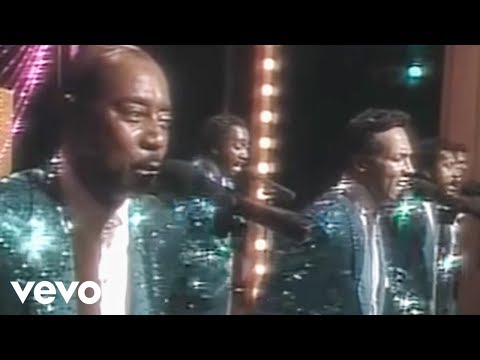



→ More from the 1970s File
View all 1970s hits →




Keep digging