The 1960s File Feature
My Girl
My Girl — The Temptations Motown's Warmest Afternoon Picture a Detroit recording studio in late 1964, the air thick with ambition and craft. Motown Records h…
01 The Story
My Girl — The Temptations
Motown's Warmest Afternoon
Picture a Detroit recording studio in late 1964, the air thick with ambition and craft. Motown Records had been operating its Hitsville USA operation on West Grand Boulevard for several years by then, generating hits with the focused efficiency of a well-run machine. Yet within that operation, certain recordings transcended the merely commercial and arrived at something genuinely beautiful. "My Girl" was one of those recordings. From its opening guitar figure, four notes that are now among the most recognized in all of American popular music, the track announced itself as something different from the usual pop confection of its moment.
The Temptations, by 1964, were a group still finding their definitive configuration. The lineup that recorded "My Girl" included David Ruffin, Eddie Kendricks, Paul Williams, Melvin Franklin, and Otis Williams, and it was Ruffin who took the lead vocal, his rough-edged, searching voice providing the emotional center of the track. The pairing of Ruffin's voice with material this tender was an inspired choice.
Ronald White and Smokey Robinson Build a Classic
The song was written by Ronald White and Smokey Robinson, both members of the Miracles, and it was recorded at Hitsville USA under the supervision of Motown's production apparatus. Robinson had an extraordinary gift for writing warmth without sentimentality, for capturing affection at its most genuine without tipping into cloying excess. "My Girl" exemplified that gift. The lyric painted a picture of simple, uncomplicated joy, the kind that doesn't require dramatic circumstances or operatic emotion to justify itself.
The arrangement, contributed in significant part by Paul Riser, who handled the string orchestration, gave the track its distinctive sweep. The combination of the gently rolling guitar introduction, the warm bass, the understated rhythm section, and those soaring strings created a sonic landscape that felt simultaneously intimate and grand. It was a production that made the listener feel like something important was happening without ever becoming bombastic about it.
The Chart Run to Number One
The single entered the Billboard Hot 100 on January 16, 1965, debuting at number 76. Its ascent was rapid and confident: to 41, then 12, then 8, then 5, then through whatever remaining obstacles stood between the Temptations and the top position. "My Girl" reached number 1 on March 6, 1965, where it stayed for one week before continuing a chart run that lasted 13 weeks in total. The timing placed it right at the heart of the British Invasion period, when American acts were scrambling to maintain their chart footing against the wave of UK groups. That a Motown soul record could climb to the very top during this period says something about both the quality of the recording and the depth of its appeal.
The single was also number 1 on the R&B charts, confirming its crossover success and its particular resonance within Black American musical culture. Motown's entire commercial project depended on achieving exactly this kind of crossover, and "My Girl" was one of the most successful executions of that strategy.
A Song That Refused to Leave
The years following the song's original release only deepened its cultural footprint. "My Girl" appeared in films, television shows, and commercials across subsequent decades, each new context introducing it to another generation of listeners. The 1991 film of the same name, while a different story entirely, used the song's title as a direct cultural reference, indicating how thoroughly the track had embedded itself in the collective consciousness.
David Ruffin's lead vocal remains the performance that anchors the track across all these recontextualizations. There is a quality in his voice on this recording that goes beyond technical skill: a genuineness of emotion, an unselfconscious openness to the tenderness of the lyric, that cannot be replicated or counterfeited. Ruffin later became one of the more troubled figures in Motown history, his personal struggles eventually leading to his departure from the group. But on this recording, he sounds like a man who has found exactly the right words for a feeling he knows very well.
The Temptations at Their Most Radiant
Within the Temptations' own catalog, "My Girl" occupies a peculiar position. The group would go on to record harder-edged, more psychedelic soul under Norman Whitfield's production, tracks that pushed further into political territory and sonic experimentation. Those later recordings have their own devoted constituency. But "My Girl" remains the track that most people reach for first when they think of the Temptations, the calling card that captures the group at its most purely radiant.
That the song has remained so vital across more than six decades is a testament to the songwriting, the arrangement, the production, and the performance all achieving something rare: a perfect alignment of every element toward a single emotional purpose. Press play, and that guitar figure will do its work on you before the first word is even sung.
"My Girl" — The Temptations' singular moment on the 1960s charts.
02 Song Meaning
My Girl — Themes and Legacy
Joy Without Apology
There is a particular courage involved in writing a song about uncomplicated happiness. The emotional vocabulary of popular music tends toward conflict, longing, loss, and the various gradations of romantic suffering. Happiness, especially the simple, undramatic kind, is harder to make interesting. Ronald White and Smokey Robinson managed it with "My Girl" by grounding the sentiment in specific, sensory images rather than abstract declarations. The narrator doesn't announce that he is happy; he describes the conditions under which happiness becomes undeniable. The result feels earned rather than asserted.
The lyric's central conceit, that one person can function as a private summer, a private sunshine, even in the depths of winter, is both romantically conventional and emotionally precise. Everyone who has been genuinely in love understands the feeling being described. The song's gift was to articulate it cleanly enough that the experience of hearing it triggered recognition rather than mere sentiment.
The Social Context of 1965
The America of early 1965 was a country in significant internal tension. The civil rights movement was at a critical and dangerous juncture; the Voting Rights Act was still months away from passage; the optimism of the Kennedy years had been shattered by the assassination of November 1963. Motown's explicit commercial strategy positioned its records as crossover product, designed to appeal to white and Black audiences simultaneously, which meant softening certain edges and emphasizing universal emotional themes.
"My Girl" fit that strategy perfectly while also transcending it. The song's appeal was not manufactured neutrality; it was genuine warmth. That a Black American vocal group could reach the top of the national pop charts with a song this tender, during a period of such racial strife, carried its own quiet significance, even if the record never made that significance explicit.
David Ruffin and the Meaning of a Lead Vocal
Any serious discussion of what "My Girl" means as a cultural object has to grapple with what David Ruffin did with the lead vocal. The song's lyric is excellent, but lyrics on paper are inert. Ruffin's performance gave the words their emotional specificity, the sense that this was not a professional singer delivering polished material but a person genuinely attempting to express something difficult to articulate. The slight roughness in his voice, the way he rode certain phrases with almost careless ease while leaning hard into others, created the impression of authentic feeling communicated rather than performed.
That quality of authenticity has made the recording durable in ways that more technically polished performances sometimes are not. Listeners hear something real in Ruffin's delivery, and that perception of realness keeps them returning.
Six Decades of Cultural Life
The song's appearance in countless films, television series, and public contexts across the decades has done something interesting to its meaning. For many younger listeners, "My Girl" arrives pre-loaded with associations from specific films or cultural moments, which means the song carries different emotional freight for different generations. Yet those varied associations have not diluted it; if anything, the accumulation of context has deepened the song's resonance, giving it a richness that no single original audience could have anticipated.
That is the mark of a true standard: a song that can absorb new meanings without losing its original shape. "My Girl" has proven itself exactly that, again and again, across every decade since 1965.
"My Girl" — The Temptations' singular moment on the 1960s charts.
→ More from The Temptations
View all The Temptations hits →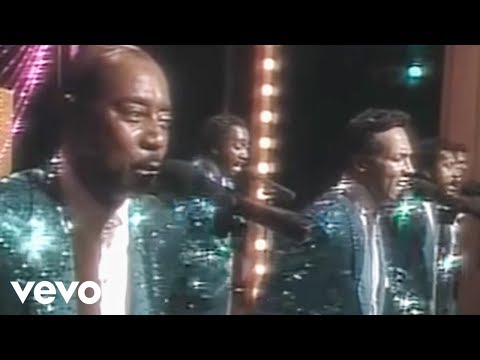


→ More from the 1960s File
View all 1960s hits →




Keep digging