The 1970s File Feature
Hot Line
"Hot Line" — The Sylvers Dial Up a Disco Moment A Family Act at the Crossroads of Soul and Funk Picture the fall of 1976: Saturday morning television is stil…
01 The Story
"Hot Line" — The Sylvers Dial Up a Disco Moment
A Family Act at the Crossroads of Soul and Funk
Picture the fall of 1976: Saturday morning television is still dominated by cartoons, disco is muscling its way into every corner of pop radio, and a sibling group from Los Angeles is sitting on what would become their biggest crossover hit. The Sylvers had been a fixture in soul and pop circles for years, but "Hot Line" would prove to be the call that went through to mainstream America with unmistakable clarity.
The Sylvers were a genuine family act, one of the largest in the business, counting nine siblings among their performing members. Their earlier work had produced genuine chart success, including the number 1 pop hit "Boogie Fever" in 1976, and "Hot Line" arrived in the wake of that breakthrough as a follow-up designed to keep the momentum alive. The timing was impeccable: American audiences were hungry for feel-good funk and the Sylvers had the voices, the harmonies, and the production pedigree to deliver exactly that.
The Sound of a City in Motion
What "Hot Line" captured so well was the particular texture of mid-1970s Los Angeles pop-funk. The production carried the slick, radio-friendly sheen that characterized the best commercial soul of the period, with layered vocals, a driving rhythm section, and enough melodic personality to stand out on a crowded dial. The song employed a telephone metaphor that was simultaneously playful and urgent, a device that fit naturally into the era's love of snappy, hook-forward lyricism.
Leon Sylvers III, who served as the musical architect of much of the group's work, brought a polished sensibility to the recording. The arrangement balanced warmth and energy, placing the harmony vocals front and center while the rhythm track kept things moving at a tempo suited to both radio play and the dance floor. The result was a record that felt effortlessly current without sacrificing the soulful foundation that defined the family's sound.
A Steady Climb Up the Hot 100
The chart story of "Hot Line" is one of gradual, determined momentum. Debuting on the Billboard Hot 100 on October 9, 1976, at position 86, the record climbed steadily over the following months. It did not explode out of the gate, but its persistence was telling: week after week, the song added new listeners and new airplay markets, working its way through the chart with the kind of methodical advance that usually signals genuine audience enthusiasm rather than promotional push.
By January 1977, the effort had paid off. Peaking at number 5 on January 29, 1977, "Hot Line" had spent 24 weeks on the Billboard Hot 100, a run that underscored its durability as both a radio record and a cultural fixture. A top 5 finish on the Hot 100 in that era, competing against the full range of pop, rock, and disco, represented a significant commercial achievement for any act, and for the Sylvers it confirmed their standing as genuine crossover artists rather than a genre curiosity.
Context: Competing in the Disco Age
The winter of 1976 into 1977 was a particularly competitive moment on the Hot 100. Disco was cresting, with artists like Donna Summer and the Village People beginning to reshape what pop radio expected from a dance record. In that environment, a family vocal group rooted in traditional soul harmonies faced a real test. "Hot Line" passed the test by threading the needle between the warmth of classic soul and the energy demanded by audiences increasingly drawn to the dance floor.
The song also arrived at a moment when the Sylvers were managing a careful balance: maintaining their identity as a family act, appealing to younger audiences who had grown up hearing them on television and radio, and keeping pace with a rapidly changing sonic landscape. "Hot Line" navigated all of that without sounding forced, which speaks to the genuine craft behind its construction.
Legacy of a Top Five Record
"Hot Line" remains the second-highest charting single in the Sylvers' career on the Billboard Hot 100, a testament to how fully realized the record was as a piece of pop craftsmanship. It arrived at the precise intersection of soulful family harmony and commercial funk that the mid-1970s favored, and it executed that formula with confidence and style. For listeners returning to the catalog of 1970s soul, "Hot Line" holds up as a snapshot of a group at the peak of their commercial powers, delivering exactly what the moment called for. Press play, and the year 1976 comes rushing back with all its warmth and groove intact.
"Hot Line" — The Sylvers' singular moment on the 1970s charts.
02 Song Meaning
"Hot Line" — Connection, Desire, and the Language of Funk
The Phone as Metaphor
Few objects carried as much romantic and social weight in the 1970s as the telephone. Before answering machines became commonplace and long before mobile devices, waiting by the phone was a genuine act of longing, and calling someone after hours carried real emotional stakes. "Hot Line" understood this perfectly, framing its central appeal around the idea of a direct, urgent, personal connection. The song's narrator essentially pleads for a private line, a shortcut past all barriers straight to the person who matters most.
That framing gave the song a kind of emotional simplicity that landed immediately. The telephone metaphor was both playful and genuinely felt, turning an everyday object into a symbol of romantic accessibility. In a decade when pop lyrics often dealt in broad emotional gestures, "Hot Line" found something specific and relatable in the image of waiting for a call that would change everything.
Warmth Over Complexity
The Sylvers did not deal in irony or ambiguity with "Hot Line." The song's emotional register was direct, warm, and celebratory, built on the conviction that desire, expressed openly and joyfully, needed no complicating layers. That directness was a deliberate artistic choice, one that fit the family group's identity and the expectations of their audience. The lyrics described longing not as pain but as eagerness, not as desperation but as enthusiasm, and that tonal shift made the song feel energizing rather than mournful.
This approach to romantic expression was characteristic of much mid-1970s funk and soul: love songs that leaned into pleasure and anticipation rather than loss. In the broader context of the era's music, "Hot Line" sat comfortably alongside records that treated romantic desire as something to celebrate rather than agonize over.
Youth, Harmony, and the Sylvers' Appeal
Part of what made the song resonate so widely was the particular energy the Sylvers brought to their performances. A multi-sibling group carrying years of shared musical experience, they communicated an authenticity that studio-assembled acts could not replicate. The layered family harmonies gave "Hot Line" a textural richness that elevated what might have been a simple pop hook into something genuinely affecting.
Younger listeners in particular responded to the group's approachable persona. The Sylvers occupied a space that bridged adolescent pop appeal and adult soul sophistication, and "Hot Line" sat squarely in that intersection. The song's themes, wanting to be closer to someone you care about, hoping the connection holds, resonated across age groups precisely because they were universal.
A Snapshot of the Era's Values
The mid-1970s represented a complicated moment in American culture: optimism and unease running side by side, with music often serving as the space where joy got to breathe freely regardless of what was happening outside the dance hall. "Hot Line" belonged to the joyful side of that equation, a record that offered uncomplicated pleasure in a period that needed it. Soul and funk provided the emotional vocabulary for millions of listeners who found in those grooves a sense of community and release that other cultural forms were not offering.
The song also reflected the era's appetite for catchy, production-polished pop with genuine vocal skill at its center. In a landscape increasingly dominated by studio craft, records that showcased real voices and real harmonies stood apart. "Hot Line" offered both, and its chart longevity confirmed that the combination remained potent well into the disco age.
"Hot Line" — The Sylvers' singular moment on the 1970s charts.
→ More from The Sylvers
View all The Sylvers hits →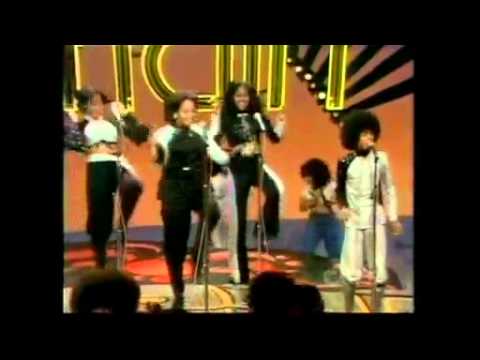

→ More from the 1970s File
View all 1970s hits →




Keep digging