The 1970s File Feature
Boogie Fever
"Boogie Fever" — The Sylvers The Family That Could Dance Its Way to Number One Spring of 1976 had a fever, and the only prescription was more disco. The Sylv…
01 The Story
"Boogie Fever" — The Sylvers
The Family That Could Dance Its Way to Number One
Spring of 1976 had a fever, and the only prescription was more disco. The Sylvers were a Los Angeles family group that had been performing together since the late 1960s, working through a series of Motown-adjacent recordings before finding the formula that would take them to the very top of the American pop charts. "Boogie Fever" was that formula made audible: a tight, jubilant, irresistibly danceable slice of mid-decade pop-soul that captured the exact mood of a nation ready to forget its troubles on the dance floor. The song hit America like a warm wind off the Pacific, and for one glorious spring, the Sylvers owned the airwaves.
Freddie Perren and the Production Blueprint
"Boogie Fever" was produced by Freddie Perren, who had been one of the architects of the Jackson 5's early Motown sound and would go on to produce Gloria Gaynor's "I Will Survive." Perren understood, better than almost anyone working in popular music at the time, how to build a track that was simultaneously commercial and genuinely satisfying. The production on "Boogie Fever" was crisp and layered, built around a rhythm track that drove the verses and a chorus that opened up with almost physical pleasure. The Sylvers' layered vocals fit perfectly within Perren's sonic framework, and the result was a record that sounded expensive without feeling cold.
The Long Road to Number One
"Boogie Fever" debuted on the Billboard Hot 100 on February 14, 1976, entering at a modest 84. What followed was one of the most patient and methodical climbs of the year: 74, 60, 49, 40 through March, continuing upward through April and into May. The single's ascent took the full warmth of a West Coast spring before it finally arrived at the summit. On May 15, 1976, "Boogie Fever" reached number 1 on the Billboard Hot 100, a peak the single held and that validated every week of gradual climbing. The track spent an impressive 21 weeks on the chart, a run that reflected both the song's genuine pop appeal and the sustained promotional effort behind it.
Capitalizing on the Disco Moment
The mid-1970s disco era created an unusual commercial environment for artists with the right sound and the right timing. "Boogie Fever" arrived at precisely the moment when the genre was transitioning from underground movement to mainstream phenomenon, before the backlash that would arrive in 1979 and sweep the dance floor music almost entirely from mainstream radio. The Sylvers caught the wave early enough to ride it to its peak. The song's lyrics, celebrating the irresistible pull of the dance floor's rhythmic hold on the body, captured something audiences recognized from their own experience of clubs and parties and basement gatherings where the beat ruled everything.
A Legacy in Family and Sound
The Sylvers never matched the commercial peak of "Boogie Fever" with a subsequent release, making the song their defining moment in popular music history. But the track's legacy extended beyond the chart position. It became a snapshot of a specific cultural moment when American popular music was caught between the old Motown templates and the new dance music formats, and when a family group from Los Angeles could still reach the very summit of the pop world with a perfectly constructed three minutes of joy. Press play and feel what 1976 felt like from the inside.
The Sylvers family had spent years developing their craft before "Boogie Fever" gave them their national moment. The group included ten siblings ranging in age from early childhood to young adulthood, and the discipline required to sustain a performing family group over that many years and through so many developmental stages was considerable. The polished ensemble quality of their vocals on "Boogie Fever" was not accidental; it was the product of years of work together on stages that ranged from local club appearances to national television. Freddie Perren recognized this raw material and shaped it into something that the radio audience of 1976 could not resist. The combination of earned skill and expert production gave the record a quality that separated it from the many other dance pop singles competing for attention that spring.
"Boogie Fever" — The Sylvers' singular moment on the 1970s charts.
02 Song Meaning
"Boogie Fever" — Meaning and Legacy
The Dance Floor as Irresistible Force
The central conceit of "Boogie Fever" is deceptively simple: the narrator cannot stop dancing, cannot resist the pull of the rhythm, has been infected by something that the normal rules of willpower cannot overcome. The song frames this surrender to music as a comic affliction, a fever that spreads from person to person on dance floors across America. This was not a new metaphor in popular music, but the Sylvers and Freddie Perren deployed it with enough verve and precision that it felt fresh in 1976. The genius of the lyric was in its self-referential quality: the song about dancing was itself undanceable to resist.
Joy as a Political Statement in 1976
The America of 1976 was a nation trying to recover from a decade of trauma. Vietnam had ended the previous year. Watergate had shattered trust in political institutions. The economic anxieties of the oil crisis had not fully resolved. Against this backdrop, a song about the pure, uncomplicated pleasure of dancing carried a kind of political weight that it did not need to announce. "Boogie Fever" offered listeners an experience of collective joy at a moment when collective joy was in short supply. The dance floor became a genuinely democratic space in the mid-1970s, and songs like "Boogie Fever" were its anthem.
Family Harmony and the Legacy of Motown
The Sylvers carried the tradition of the family group that Motown had built into a dominant commercial force through the 1960s. The Jackson 5 had demonstrated what a talented family unit could achieve with the right production support, and the Sylvers occupied similar territory. "Boogie Fever" showcased their ensemble vocal work at its most effective, with voices that had grown up singing together producing a natural blend that studio session singers could not replicate. This quality gave the song a warmth that went beyond technical competence, suggesting that the people making it were genuinely having a good time.
A Number One That Defined a Band
"Boogie Fever" reaching the top of the Billboard Hot 100 and spending 21 weeks on the chart cemented it as one of the defining recordings of 1976's pop landscape. The song appears on virtually every comprehensive compilation of the era's dance music, and its infectious rhythm has kept it in rotation on oldies stations and streaming playlists for decades. The Sylvers' achievement with this single represents a particular kind of pop perfection: a record that does exactly what it sets out to do with such efficiency and joy that any listener paying attention cannot help but respond. The fever, it turns out, has no cure.
"Boogie Fever" — The Sylvers' singular moment on the 1970s charts.
→ More from The Sylvers
View all The Sylvers hits →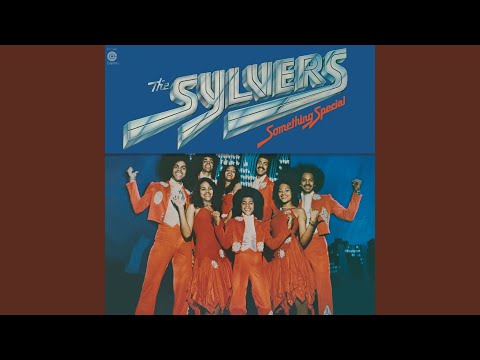

→ More from the 1970s File
View all 1970s hits →




Keep digging