The 1970s File Feature
You Are Beautiful
You Are Beautiful: The Stylistics and the Philadelphia Sound in 1976 The spring of 1976 found the Stylistics navigating a transition in the Philadelphia soul…
01 The Story
You Are Beautiful: The Stylistics and the Philadelphia Sound in 1976
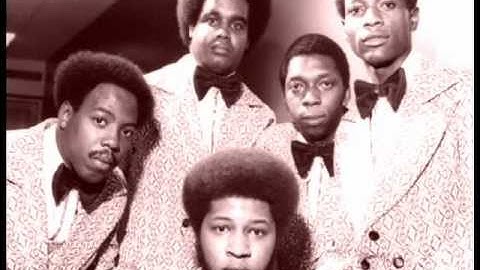
The spring of 1976 found the Stylistics navigating a transition in the Philadelphia soul landscape that was both commercially challenging and artistically interesting. The Gamble and Huff machine at Philadelphia International Records was then at the absolute peak of its influence, and the Stylistics, signed to Avco Records, were operating in the same sonic neighborhood while maintaining a distinct identity built around the extraordinary falsetto of Russell Thompkins Jr. and the lush orchestral arrangements that had defined their peak commercial period.
The Stylistics at a Career Crossroads
By early 1976, the Stylistics had experienced a significant commercial transition. Their peak period, defined by collaborations with producer and arranger Thom Bell, had produced some of the most successful Philadelphia soul recordings of the early 1970s, including “You Are Everything,” “Betcha By Golly, Wow,” and “Break Up to Make Up.” The split from Bell and the transition to production by Hugo and Luigi had changed their commercial profile, and by 1976 they were working to maintain visibility in a market that had moved toward the harder-edged funk and disco sounds that the Stylistics's romantic soul aesthetic was somewhat at odds with. “You Are Beautiful” was part of their continuing effort to serve the audience that had responded to their romantic ballad work without losing ground to the changing landscape.
Seven Weeks on the Hot 100
“You Are Beautiful” entered the Billboard Hot 100 on March 13, 1976, at number 94. The slow but steady climb over the following weeks, 94, 92, 89, 86, 81, before reaching its peak of number 79 on April 17, 1976, told the story of a record finding its audience through accumulated radio exposure rather than immediate impact. Seven weeks on the chart was a solid if modest performance, and the record performed considerably better on the Adult Contemporary chart, where the Stylistics's core audience had migrated from the pop mainstream.
Russell Thompkins Jr. and the Falsetto Tradition
The Stylistics' commercial identity was inseparable from Russell Thompkins Jr.'s extraordinary falsetto voice, one of the most distinctive and immediately recognizable vocal instruments in the history of soul music. That falsetto, capable of expressing romantic vulnerability and tenderness with a purity that no chest register could match, was ideally suited to the group's repertoire of romantic ballads. On “You Are Beautiful,” Thompkins deployed this instrument in a context that was entirely appropriate to its strengths: a romantic compliment delivered with the sincerity and emotional directness that his voice communicated naturally.
Philadelphia Soul in Its Later Phase
The Philadelphia soul sound of the mid-1970s was one of the most commercially sophisticated and musically ambitious in American popular music. The orchestral arrangements, the sophisticated chord progressions, the attention to production detail: these were the hallmarks of a scene that treated pop music as a craft deserving of full musical seriousness. The Stylistics had been central to developing this aesthetic, and even in their post-Bell period, they maintained the connection to orchestral richness that defined Philadelphia soul at its most characteristic. “You Are Beautiful” preserved these qualities while finding the best available commercial expression for them in the 1976 marketplace.
The Legacy of the Stylistics Ballad
The Stylistics' romantic ballads of the early-to-mid 1970s represent one of the more enduring bodies of work in the soul tradition. They continued to be sampled, referenced, and covered by subsequent generations of R&B artists, demonstrating that the emotional content they communicated was genuinely durable. Press play and let Thompkins's falsetto take you somewhere quiet and entirely, improbably beautiful.
The Thom Bell Legacy and the Transition
Understanding the Stylistics in 1976 requires understanding what they had been before the split from producer Thom Bell. Bell had brought to their recordings a level of harmonic and orchestral sophistication that was genuinely unusual in the commercial soul market, creating arrangements that rewarded close listening while also functioning as commercial radio product. The transition to production by Hugo and Luigi, experienced producers who had worked successfully with other artists, represented a search for a new creative context equal to what Bell had provided. “You Are Beautiful” was one of the records made in this post-Bell period that demonstrated the group's continued vocal strength even as the production was finding its footing.
“You Are Beautiful” - The Stylistics' singular moment on the 1970s charts.
02 Song Meaning
The Simple Truth: What “You Are Beautiful” Communicates and How
A song called “You Are Beautiful” faces an interesting challenge: the most direct statement of admiration available in the romantic vocabulary, delivered as a simple declarative sentence, risks sounding either obvious or insufficient. The Stylistics, with their specific combination of Thompkins's extraordinary voice and the sophisticated musical context their arrangements provided, found a way to make the obvious feel profound and the simple feel earned.
The Declarative Compliment as Song Form
Compliment songs have a long history in the popular tradition, from the gentle tributes of Tin Pan Alley through the more elaborate romantic celebrations of soul and R&B. What makes a compliment song work is not the content of the compliment itself, which is often obvious, but the sincerity and specificity with which it is delivered. The Stylistics were masters of the delivered compliment, songs that told a person they were loved or beautiful in a way that made those words feel freshly true rather than routinely expected.
Thompkins's Falsetto as the Medium of Truth
There is something about the falsetto register that communicates vulnerability in a particularly direct way. Chest voice has authority; falsetto has exposure. A male falsetto singer places his voice in a register that is physically and culturally associated with vulnerability, and that vulnerability gives the emotional content of what he is singing an additional dimension of sincerity. When Thompkins sang “you are beautiful,” the falsetto delivery made the statement sound less like an assertion and more like an admission, as if beauty were something he had discovered that he was almost overwhelmed by, rather than something he was calmly reporting.
The Philadelphia Orchestration and Its Emotional Function
The orchestral arrangements that characterized Philadelphia soul served a specific emotional function: they created a musical environment of warmth and richness that amplified the emotional content of the vocal. A declaration of beauty delivered against strings and horns takes on a weight that the same words spoken in a simple context cannot carry. The production philosophy of Philadelphia soul was explicitly cinematic in this sense, using musical grandeur to elevate the emotional stakes of romantic expression.
Beauty as a Relational Concept
The statement “you are beautiful” is interesting because it is simultaneously one of the most personal and one of the most contested observations one person can make about another. Beauty is culturally constructed and individually perceived; what one person finds beautiful, another may not. The insistence of the compliment song, its assertion that this specific person is beautiful in a way that is simply true, cuts through the cultural complexity to make a purely personal declaration. That declaration is valuable precisely because it transcends cultural norms about beauty: I see you as beautiful, regardless of what anyone else sees or says.
The Gift of Being Seen
At its deepest level, a song like “You Are Beautiful” is about the experience of being truly seen by another person, of having one's appearance and presence registered and valued with full attention and genuine appreciation. This experience is rarer and more meaningful than it might appear. In a world of distracted, partial attention, the full regard implied by a genuine compliment, by someone who has truly looked and found you beautiful, is a significant gift. The Stylistics' recording made that gift feel real, and listeners who needed to hear that they were seen and found beautiful received something genuinely valuable from it.
→ More from The Stylistics
View all The Stylistics hits →


→ More from the 1970s File
View all 1970s hits →




Keep digging