The 1970s File Feature
Touch A Hand, Make A Friend
The Story Behind Touch A Hand, Make A Friend by The Staple Singers Gospel Roots Meeting Message-Driven Soul Music By 1974, The Staple Singers , led by family…
01 The Story
The Story Behind "Touch A Hand, Make A Friend" by The Staple Singers
Gospel Roots Meeting Message-Driven Soul Music
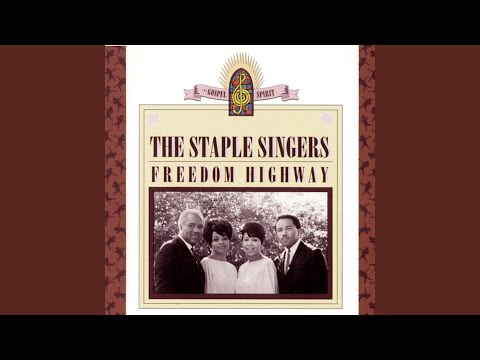
By 1974, The Staple Singers, led by family patriarch Roebuck "Pops" Staples and featuring his daughters including the powerhouse lead vocals of Mavis Staples, had already completed one of the most remarkable transformations in American popular music, moving steadily from their roots as a respected gospel act into one of the defining voices of message-driven soul and funk during the late 1960s and early 1970s. Their catalog by this point blended spiritual conviction with socially conscious lyricism, a combination that had already produced several major crossover hits earlier in the decade.
A Warm, Sincere Call for Human Connection
"Touch A Hand, Make A Friend" continued that established approach, built around a warm, groove-driven arrangement produced within the Stax Records tradition of horn-driven, rhythmically tight soul production. The song's central message, a plea for basic human kindness and connection across whatever divides might separate people, fit comfortably within the family group's broader catalog of songs blending danceable grooves with genuinely uplifting, community-minded lyrical content that had become their signature approach.
A Solid, Genuinely Sustained Chart Run
Commercially, "Touch A Hand, Make A Friend" debuted on the Billboard Hot 100 on February 23, 1974, and climbed to a peak position of number 23 during the chart week of April 13, 1974, ultimately spending a substantial thirteen weeks on the chart. That steady, extended climb reflected genuine sustained radio adoption rather than a brief novelty spike, demonstrating the family group's continued ability to connect with a broad, engaged audience even as the specific sound of mainstream soul and funk continued evolving around them throughout this stretch of the decade.
Part of a Much Broader Golden Career Stretch
This single arrived during one of the most commercially successful periods of the group's long career, following closely on the heels of their massive breakthrough hits earlier in the decade and preceding the continued success they would enjoy into the mid-1970s. The Staples' ability to consistently pair infectious, radio-friendly grooves with genuinely meaningful, uplifting lyrical content distinguished them from many contemporaries, giving their catalog a rare combination of commercial appeal and lasting social relevance that few soul acts of the era could match consistently across an entire career.
A Family Dynamic That Shaped the Sound
Central to the group's enduring appeal was the genuine family dynamic underlying their performances, with Pops Staples' understated guitar work and steady leadership anchoring the interplay between his daughters' distinct but complementary vocal styles. That authentic family chemistry gave their recordings an intimacy and warmth difficult for unrelated ensembles to replicate, a quality that became especially apparent on message-driven material like this single, which relied on genuine collective sincerity to land effectively.
A Legacy Built on Unity and Craft
Within the family's much larger overall discography, this particular track represents a clear continuation of the values and sound that had defined their most successful period, warmth, rhythmic sophistication, and an unwavering commitment to messages of unity and human decency. Decades later, the group's broader catalog remains celebrated not just for its commercial success but for the genuine sincerity underlying even its most danceable, radio-friendly material. Press play right now and hear a family group translating deeply held genuine conviction into irresistible, groove-driven soul music, a combination that continued defining and shaping their recorded output for many years afterward and helped secure their lasting place among the most respected and genuinely influential vocal groups in the broader history of American soul and gospel music alike.
Revisited today, the recording still functions as a warm, danceable reminder of exactly what made the family group's catalog so consistently rewarding across their many years of recording together.
"Touch A Hand, Make A Friend" — The Staple Singers's singular moment on the 1970s charts.
02 Song Meaning
What "Touch A Hand, Make A Friend" Is Really About
A Direct Plea for Human Kindness
At its core, the song delivers an unambiguous, sincere plea for basic human connection and kindness, urging listeners to reach out across whatever social, racial, or personal divides might otherwise keep people isolated from one another. Mavis Staples's powerful, emotionally direct lead vocal carries that message with genuine conviction, avoiding the vague, generalized optimism that similar message songs sometimes settled for during this same general period.
Rooted in Gospel Values, Delivered Through Soul
The song's underlying values, compassion, community, and mutual support, trace directly back to the family's deep gospel roots, even as the musical delivery leans fully into the danceable, horn-driven soul and funk sound popular on Black radio during the early 1970s. That blend of spiritual conviction and secular musical accessibility had become something of a signature approach for the group, allowing genuinely meaningful lyrical content to reach dance floors and pop radio playlists alike simultaneously.
A Response to a Divided Cultural Moment
Arriving in the early 1970s, a period marked by ongoing social and political division across American society, the song's call for simple human connection carried real weight beyond its role as pleasant dance-floor entertainment. The Staples had built much of their reputation on exactly this kind of socially conscious material, using accessible, groove-driven music as a vehicle for messages that might have felt heavy-handed in a less musically compelling package or delivery.
Groove as a Vehicle for Unity
Musically, the song's tight, horn-accented arrangement embodies the very unity its lyrics describe, with each instrumental element working in close, coordinated harmony rather than competing for attention. That musical cohesion mirrors the lyric's central theme directly, using the language of ensemble playing itself as a subtle demonstration of the cooperative human connection the song explicitly asks its listeners to pursue in their own daily lives.
The Family Voice as Moral Authority
Because the message came from a genuine family unit rather than an assembled studio act, the song's call for unity carried an added layer of credibility, listeners understanding that the Staples themselves modeled the very cooperative connection they were urging others to pursue. That authenticity distinguished their socially conscious material from similar songs by artists without the same lived, demonstrable family bond underpinning their public message.
An Enduring, Timeless Invitation
Decades after its original release, the song's simple, direct invitation toward kindness and connection has lost none of its resonance, remaining a staple of soul retrospectives and a continued reminder of the family group's rare ability to combine genuine social conscience with irresistibly danceable music. Its enduring appeal rests on that same combination that defined the group's best work throughout this entire period, sincerity delivered with genuine musical craft and warmth.
"Touch A Hand, Make A Friend" — The Staple Singers's singular moment on the 1970s charts.
→ More from The Staple Singers
View all The Staple Singers hits →


→ More from the 1970s File
View all 1970s hits →




Keep digging